
If you’ve ever felt overwhelmed, disconnected from your body, or stuck in a cycle of stress you can’t quite explain, you’re not alone. Many people try to “think” their way out of stress, anxiety, or emotional shutdown—only to discover that their bodies seem to have a mind of their own. This is because healing doesn’t begin in your thoughts. It begins in your nervous system.
And at the center of that system lies one of the most powerful, yet overlooked, parts of your body: the vagus nerve.
Understanding your vagus nerve opens the door to deeper emotional regulation and self-awareness—core principles explored in foundational pieces like emotional wellness foundations. When the vagus nerve functions well, life feels more manageable. You bounce back from stress. You digest your food with ease. You feel more connected, grounded, and emotionally present.
But when vagal tone is overwhelmed or underactive, everything feels harder. You might experience:
- unexplained anxiety
- emotional numbness or irritability
- digestive issues
- chronic tension
- burnout or “shutdown” sensations
- trouble sleeping
- difficulty recovering from stress
None of these are personality flaws. They’re physiological signals—your body’s way of saying, “Something needs support.” Understanding these signals also helps you recognize emotional patterns often influenced by relational or chronic stress, themes explored in gaslighting and trust erosion.
Understanding the vagus nerve is like shining a light on the hidden wiring behind your emotional and physical well-being. Once you understand how it works, things begin to make sense: Oh… that’s why I feel exhausted after conflict. That’s why I shut down under pressure. That’s why deep breathing actually works.
As you read through this guide, you’ll see how the vagus nerve plays a key role in the broader field of nervous system regulation techniques—a mid-level hub for this entire cluster of content. This isn’t just about anatomy—it’s about reclaiming a sense of peace and safety inside yourself.
What the Vagus Nerve Actually Is: The Body’s Wandering Communication Superhighway
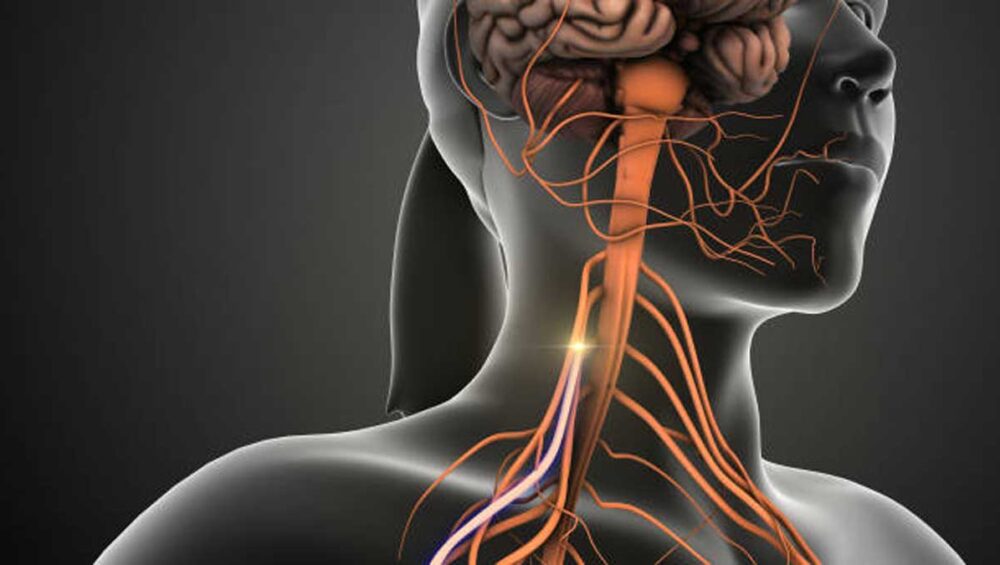
The vagus nerve—known as Cranial Nerve X—is the longest and most complex nerve of the parasympathetic nervous system. Its name comes from the Latin word vagus, meaning “wanderer,” and its path reflects that perfectly. This nerve begins in the brainstem, travels down each side of your neck, and continues through your chest into your abdomen, branching out to connect with organs including the heart, lungs, stomach, intestines, and more.
Think of it as a highly intelligent communication network that constantly gathers signals from your organs and relays them to your brain. In fact, around 80% of vagus nerve signals travel from the body upward, not the other way around. This explains why digestive discomfort or body tension can so quickly affect your mood, and why mindful approaches—like those explored in mindfulness for anxiety—can shift your internal state.
The vagus nerve has both sensory fibers (collecting real-time data from your organs) and motor fibers (sending instructions back). It manages vital functions such as:
- heart rate
- digestion
- breathing rhythms
- swallowing
- inflammatory response
- emotional regulation
Because it influences so many systems, researchers often call it the body’s “master regulator of safety.” When the vagus nerve functions well, your body receives the message: You’re safe. You can relax. When it struggles, your system may stay stuck in sympathetic activation—sometimes long after the stressful moment has passed.
Understanding the vagus nerve is the first step in understanding yourself, your stress patterns, and your emotional landscape.
Why the Vagus Nerve Matters for Your Body: How It Shapes Your Physical Health
Your vagus nerve sits at the heart of your parasympathetic nervous system—the system responsible for rest, repair, digestion, and recovery. When it’s active, your body enters a healing mode. When vagal tone is weak, your body stays stuck in fight-or-flight or freeze states, even in moments that should feel calm.
1. Heart & Cardiovascular Health
The vagus nerve helps regulate your heart rate and blood pressure. When vagal tone is strong, your heart can shift gracefully between states of alertness and calm—a key aspect of resilience. When vagal tone is low, you may notice:
- heart palpitations
- rapid heartbeat under mild stress
- difficulty calming down after being startled
Strengthening vagus nerve activity supports cardiovascular balance, complementing body-based mindfulness, such as the practices in mindfulness for beginners.
2. Digestion & Gut Function
Your vagus nerve stimulates digestive enzymes, supports gut motility, and influences nutrient absorption. When it’s sluggish, you may experience:
- bloating
- constipation
- indigestion
- IBS-like symptoms
This nerve is also deeply connected to the gut–brain axis, making it relevant to grounding practices like grounding with air and breath, which help regulate the diaphragm and digestive response.
3. Inflammation & Immunity
The vagus nerve helps regulate inflammation through the cholinergic anti-inflammatory pathway. When functioning well, it supports immune balance. When vagal tone is low, chronic inflammation may rise—impacting everything from joints to energy levels.
4. Breath, Tension & Recovery
Your vagus nerve works closely with the diaphragm. When your breathing is shallow or strained, vagal tone often decreases. Breath-centered rituals—like the ones explored in daily self-care rituals—help the body soften into parasympathetic calm.
The Vagus Nerve and Your Emotional World: How It Shapes Your Inner Landscape
If you’ve ever wondered why stress hits you so hard, why you shut down during conflict, or why your emotions sometimes feel “too big” or “too fast,” the answer often lives in your vagus nerve. This nerve is deeply rooted in how you experience safety, connection, and emotional presence.
1. Your Vagus Nerve and the Stress Response
Your nervous system has two primary states: fight-or-flight and rest-and-digest. When your vagus nerve is functioning well, your body transitions between these states with ease. But when it’s overwhelmed, you may stay stuck in survival mode. This emotional “stickiness” often appears during burnout, overstimulation, or intense empathy fatigue—experiences explored in when empathy becomes emotional exhaustion.
You’re not “too much.” Your nervous system simply needs support.
2. The Gut–Brain Connection and Mood
Around 90% of serotonin is produced in the gut. The vagus nerve delivers these signals to your brain, shaping your emotional resilience. This is why something as simple as grounding—like the practices described in what is grounding—can regulate your mood from the bottom up.
3. Emotional Regulation & Social Connection
Your vagus nerve helps you read facial cues, soften your voice, and feel connected. When it’s balanced, relationships feel nourishing. When it’s strained, even gentle conversations can feel overwhelming. This dysregulation can also show up in moments when you suddenly doubt yourself or disconnect emotionally—areas deeply supported by learning to trust your emotions again.
4. Trauma & Nervous System Shutdown
Chronic emotional invalidation, relational stress, or trauma can pull the vagus nerve into a freeze-like state. Instead of reacting, you might shut down, lose words, or disconnect. These reactions are often misunderstood, but they’re physiological—not character flaws. Healing this pattern overlaps with understanding relational stress dynamics such as those described in early signs of gaslighting.
Signs Your Vagus Nerve Needs Support
Because the vagus nerve affects many systems, its distress signals can appear in surprising ways.
Physical signs
- digestive issues
- heart flutters
- chronic tightness in the chest or diaphragm
- dizziness or fainting under stress
Emotional signs
- irritability
- anxiety
- emotional numbness
- shutdown feelings
When you notice these patterns, it’s often a sign that your system is overwhelmed—similar to the emotional shutdown explored in how to stop absorbing other people’s emotions.
Inflammation-related signs
- chronic inflammation
- joint discomfort
- heightened sensitivity to noise or light
These experiences are your nervous system whispering for support—notifying you that it’s time to understand and gently tend to your inner world.
Daily Techniques to Stimulate the Vagus Nerve
Supporting your vagus nerve doesn’t require force or intensity. Small, nervous-system-friendly practices can shift your internal state.
1. Deep, Slow Breathing
Long exhales stimulate the vagus nerve directly. Practices like rhythmic or breath-led routines pair beautifully with the gentle grounding rituals described in 5-minute grounding rituals.
2. Humming, Chanting, or Singing
These vibrations activate branches of the vagus nerve and can help reset your emotional state.
3. Cold Exposure (safe & brief)
Splashing cold water on your face or taking a short cool shower can help regulate your vagus nerve.
4. Mindfulness & Somatic Awareness
Body-based presence helps the vagus nerve shift out of hypervigilance. If you struggle with overwhelm, structured practices like somatic self-soothing practices can help bring your system back into safety.
5. Gentle Movement
Yoga, walking, or tai chi support diaphragmatic motion. Complementary nervous system resets—like those taught in how to reset your nervous system after stress—amplify this effect.
6. Diaphragmatic Release
Placing your hands on your rib cage and breathing into the sides of your body can help release diaphragm tension.
7. Vagus-Specific Practices
If you want more precise tools, structured routines like those in vagus nerve exercises offer step-by-step guidance.
Diet & Lifestyle Choices That Support Vagal Health
1. Choose Anti-Inflammatory Foods
Leafy greens, berries, nuts, and healthy fats help reduce inflammation and support vagal tone.
2. Support Your Gut Microbiome
A healthy gut directly supports vagus nerve function. Many people find that when digestion becomes easier, emotional clarity follows. This also pairs well with emotional healing approaches like healing after being emotionally invalidated.
3. Prioritize Sleep & Rest
Your vagus nerve restores itself during deep rest, making sleep hygiene a non-negotiable part of emotional wellness.
4. Reduce Chronic Stress Exposure
Micro-moments of calm throughout the day can be transformative—especially for those rebuilding inner safety. Pairing these moments with self-reflective tools such as the emotional self-trust tracker can deepen awareness.
5. Gentle, Consistent Movement
Movement keeps the parasympathetic system flexible and responsive. This also helps establish boundaries that reflect your body’s needs—something explored more fully in understanding emotional boundaries and the psychology of respect.
Frequently Asked Questions About the Vagus Nerve
Learning about the vagus nerve can feel like someone finally handed you the missing puzzle piece of your emotional and physical patterns. Below are some of the questions people most often ask when exploring nervous system regulation, healing, and mind–body awareness.
What does the vagus nerve actually do in the body?
The vagus nerve helps regulate your breathing, heart rate, digestion, swallowing, and inflammatory response. It is constantly communicating between your body and brain to determine whether you’re safe or stressed. When it’s functioning well, your system can relax, digest, heal, and feel grounded. When it’s overwhelmed, you may stay stuck in tension, anxiety, or shutdown.
For those who identify as highly sensitive or empathic, this constant body-to-brain communication can sometimes feel amplified—an experience explored deeply in energetic self-care for empaths
How do I know if my vagus nerve isn’t functioning well?
Common signs include digestive issues, rapid heartbeat, anxiety, irritability, emotional shutdown, difficulty recovering from stress, and chronic inflammation. If you often feel like you’re “on edge” or exhausted without knowing why, your vagus nerve may be under strain.
Some people also notice emotional merging, overstimulation, or picking up on others’ energy more intensely during periods of vagal dysregulation.
Can you strengthen your vagus nerve naturally?
Absolutely. Simple, consistent practices—such as deep breathing, humming, cold exposure, and grounding—can strengthen vagal tone over time. You don’t have to do anything extreme; even 30 seconds of slow breathing can begin shifting your nervous system.
The key is rhythm and repetition. Your vagus nerve learns through felt experience, not force.
Does trauma affect the vagus nerve?
Yes. Emotional invalidation, relational trauma, chronic fear, and persistent stress can cause the vagus nerve to become hypersensitive or withdraw into freeze states. This can make everyday challenges feel heavier, and it can take longer to regain emotional safety after conflict or overwhelm.
Understanding this connection often brings immense relief—because it shows that these reactions are rooted in physiology, not weakness.
Why do emotions show up in my chest or stomach?
Because the vagus nerve is deeply connected to your gut and diaphragm. When something feels emotionally threatening, your body reacts first. Your brain receives the message second. That’s why emotions can feel so physical—tight chest, fluttering stomach, nausea, or heaviness.
You’re not imagining it. Your body is speaking through the vagus nerve.
Can vagus nerve exercises help with anxiety?
For many people, yes. Anxiety is often a sign that your vagus nerve is having trouble shifting out of survival mode. Practices such as long exhales, chanting, grounding, and gentle movement can help restore safety and emotional balance.
While these tools don’t replace therapy, they strengthen your body’s capacity to calm itself—creating a foundation for deeper emotional and relational healing.
Conclusion: Reclaiming Safety, Calm, and Connection Through Your Vagus Nerve
Understanding the vagus nerve is more than learning where a nerve travels in the body—it’s learning the language your body has been speaking all along. Every flutter in your stomach, every breath that suddenly feels too shallow, every moment where your shoulders rise without you noticing… all of these sensations are messages. Your vagus nerve has been quietly guiding you, trying to help you move back toward safety, clarity, and ease.
When you begin supporting this nerve, something extraordinary happens: healing stops feeling theoretical, and it begins feeling real—visceral, grounded, and alive in your body.
You may start noticing subtle shifts at first: a softening in your breath, a moment of calm that didn’t exist before, a conflict that doesn’t rattle you as deeply, a gentler internal dialogue. These small changes are often the earliest signs that your nervous system is remembering how to regulate, how to trust, how to rest.
Over time, these shifts accumulate. You recover faster. You think more clearly. Your emotions feel less overwhelming. Your body stops bracing for impact. You reconnect with yourself in a way that feels steady, safe, and honest.
And perhaps most importantly, you realize that you never had to fight your body to heal—it was always trying to protect you. Your vagus nerve wasn’t malfunctioning. It was working overtime. All it needed was a little support, a little patience, a little gentleness.
As you explore vagus nerve practices, let your approach be soft. You don’t need intensity or perfection. You only need small, consistent acts of kindness toward your nervous system. Tiny rituals. Brief pauses. One deeper breath than you took yesterday. These moments tell your system, “You’re safe. You can come home now.”
Your nervous system is listening. Your body is healing. And with each breath, each mindful moment, you are building a more grounded, resilient, compassionate relationship with yourself.
This isn’t just physical regulation—it’s emotional reclamation. It’s returning to yourself, slowly and steadily, one safe moment at a time.

Where softness, self-awareness, and emotional healing are allowed to coexist. Through reflective writing, grounding rituals, and intentional beauty, Sparrow Trades offers gentle support for sensitive souls learning to reconnect with themselves.