In the world of fashion, jewelry has long been a symbol of elegance and personal style. From the dazzling diamonds adorning the necks of royalty to the sleek, minimalist designs of the modern era, jewelry has evolved and transformed over time. In this article, we will take a closer look at the evolution of elegance in the world of modern jewelry.
The modern jewelry industry is a dynamic and ever-changing landscape, constantly pushing boundaries and embracing new trends. From traditional metals like gold and silver to innovative materials like titanium and resin, jewelry designers are experimenting with materials like never before. They are also expanding their horizons when it comes to design, exploring unique shapes and intricate patterns.
However, modern jewelry is not just about aesthetics. It also reflects the values and aspirations of the wearer. Sustainability and ethical sourcing have become essential considerations for many consumers, leading to the rise of eco-friendly jewelry brands. As consumers become more conscious of the impact of their purchases, jewelry designers are responding by creating pieces that are not only beautiful but also ethically produced.
Join us on a journey through the world of modern jewelry as we explore the latest trends, unearth hidden gems, and discover the stories behind these exquisite adornments.
Historical Background of Jewelry
Jewelry has been an integral part of human culture for thousands of years, serving both aesthetic and symbolic purposes. The earliest known forms of jewelry date back to ancient civilizations, where adornments were crafted from natural materials like shells, bones, and stones. These primitive pieces often held cultural significance, representing social status, personal identity, or even spiritual beliefs. As societies evolved, so did the art of jewelry making, with the introduction of metals such as gold and silver around 3000 BC in places like Egypt and Mesopotamia. These materials not only enhanced the beauty of the jewelry but also signified wealth and power.
During the Middle Ages, jewelry became increasingly elaborate and ornate, often featuring intricate designs and the use of gemstones. In Europe, royal families adorned themselves with lavish pieces that showcased their status and lineage. The Renaissance period saw a resurgence of interest in classical designs, leading to the creation of exquisite pieces that combined artistry with craftsmanship. Jewelry was not merely an accessory; it was a reflection of the wearer’s identity and societal position, often passed down through generations as treasured heirlooms.
As we moved into the modern era, the Industrial Revolution brought about significant changes in jewelry production. Mass manufacturing techniques allowed for the creation of affordable jewelry, making it accessible to a broader audience. This democratization led to diverse styles and trends, from Art Nouveau’s organic forms to the geometric designs of the Art Deco movement. Each era contributed its unique flair, setting the stage for the eclectic and innovative jewelry landscape we see today. The historical journey of jewelry is not just about adornment; it intertwines with cultural narratives, technological advancements, and evolving aesthetics that continue to shape our understanding of elegance.
The Shift in Jewelry Trends
The evolution of jewelry trends has been influenced by various factors, including social change, technological innovation, and cultural movements. In recent decades, there has been a noticeable shift towards minimalism, with many consumers favoring simpler designs that emphasize clean lines and understated elegance. This trend reflects a broader societal movement towards authenticity and personal expression, allowing individuals to showcase their unique style without the burden of excessive ornamentation. The minimalist aesthetic often highlights the beauty of the materials themselves, encouraging a more thoughtful approach to jewelry selection.
Alongside minimalism, there has been a resurgence in vintage and antique styles, driven by a desire for originality and sustainability. Consumers are increasingly drawn to pre-owned pieces that carry a story and history, making them feel more connected to their jewelry. This trend not only promotes the idea of reusing and recycling but also allows for the discovery of unique gems that are unavailable in contemporary collections. As a result, vintage jewelry shops and estate sales have become popular destinations for those seeking one-of-a-kind items that stand apart from mass-produced pieces.
Moreover, the rise of technology has played a pivotal role in shaping modern jewelry trends. The advent of 3D printing and computer-aided design has empowered artisans to push the boundaries of creativity, enabling them to experiment with intricate designs that were once difficult to achieve. Social media platforms have also transformed how trends emerge and spread, allowing influencers and designers to showcase their work to a global audience instantly. This interconnectedness has led to the rapid rise and fall of trends, creating a dynamic environment where consumers are continually seeking the next big thing in jewelry fashion.
Elements of Modern Jewelry Design
Modern jewelry design is characterized by a blend of innovation and tradition, where designers draw inspiration from various sources to create pieces that resonate with contemporary sensibilities. One of the key elements of modern jewelry design is the use of asymmetry and unconventional shapes. Unlike traditional designs that often adhere to symmetry and classical forms, many modern pieces embrace irregularity, allowing for a more organic and free-flowing aesthetic. This approach encourages individuality, as wearers can express their unique personality through the jewelry they choose.
Color also plays a vital role in modern jewelry design, with designers exploring bold hues and unexpected combinations. While classic metals like gold and silver remain popular, the incorporation of colored gemstones, enamel, and alternative materials adds a vibrant dimension to contemporary pieces. This trend reflects a shift towards playful and expressive designs, where the emphasis is on creativity rather than conformity. Additionally, the use of mixed materials, such as combining metal with wood, resin, or fabric, creates intriguing contrasts that challenge traditional notions of what jewelry should be.
Another significant aspect of modern jewelry design is the incorporation of technology. Designers are increasingly utilizing digital tools to create intricate patterns and precise cuts, resulting in pieces that are both visually stunning and technically sophisticated. This fusion of art and technology has led to the emergence of interactive jewelry, where pieces can change form or color based on the wearer’s preferences or environmental factors. As modern jewelry continues to evolve, it will likely embrace even more innovative techniques, pushing the boundaries of design and redefining the concept of elegance.
Materials Used in Modern Jewelry
The materials used in modern jewelry are as diverse as the styles themselves, reflecting an era of experimentation and innovation. Traditional metals such as gold, silver, and platinum remain staples in the industry, prized for their durability and timeless appeal. However, contemporary designers are increasingly incorporating alternative metals, such as titanium and stainless steel, which offer unique properties like lightweight strength and resistance to tarnish. These materials not only broaden the design possibilities but also cater to consumers seeking modern, low-maintenance options.
In addition to metals, gemstones continue to play a crucial role in modern jewelry design. While diamonds and sapphires are still highly sought after, there has been a growing interest in ethically sourced and lab-created stones. Consumers are becoming more conscious of the environmental and social impact of mining, leading to a rise in brands that prioritize sustainability. As a result, gemstones like moissanite, lab-created diamonds, and responsibly-sourced colored stones are gaining popularity, offering consumers beautiful alternatives that align with their values.
Moreover, non-traditional materials are making waves in the jewelry world, as designers seek to challenge conventions and push creative boundaries. Resin, wood, acrylic, and even textiles are being used to craft unique pieces that stand out in a saturated market. This trend reflects a broader movement towards sustainability and eco-consciousness, as many of these materials can be sourced responsibly or repurposed from waste. By integrating innovative materials into their designs, modern jewelers are not only creating eye-catching pieces but also promoting a more sustainable approach to adornment.
Popular Styles and Aesthetics in Modern Jewelry
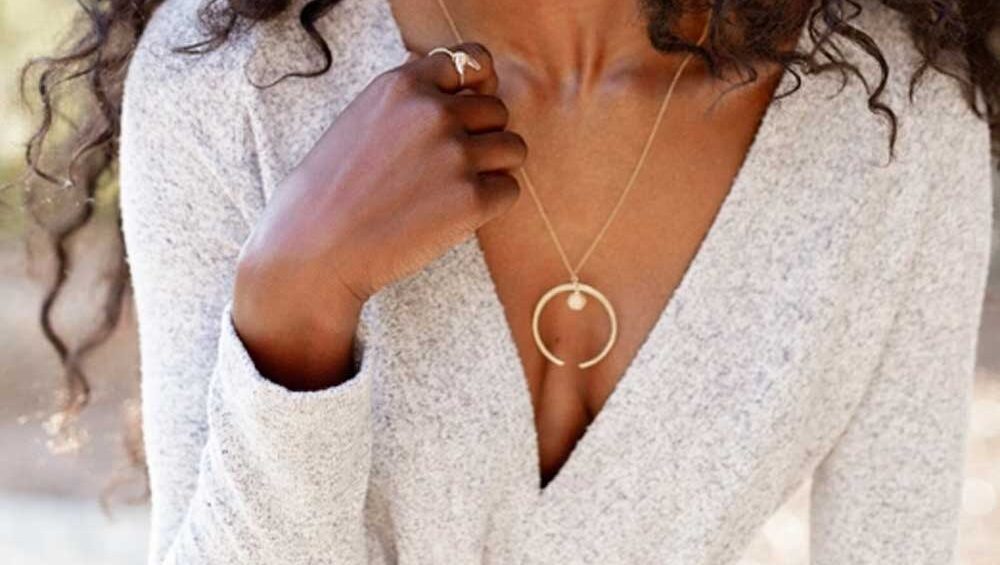
Modern jewelry encompasses a broad spectrum of styles and aesthetics, each reflecting the diverse tastes and preferences of contemporary consumers. One of the most prominent styles is minimalist jewelry, which emphasizes simplicity and subtlety. Often characterized by delicate chains, understated pendants, and geometric shapes, minimalist designs allow wearers to make a statement without overwhelming their look. This style is particularly popular among those who appreciate elegance in simplicity, often layering multiple pieces for a more personalized touch.
Conversely, bold and statement jewelry has also found its place in modern aesthetics. Large, eye-catching pieces that feature intricate designs, vibrant colors, and unique forms are favored by those who wish to express their individuality and make a lasting impression. These statement pieces often serve as conversation starters, drawing attention and admiration. Designers are experimenting with oversized earrings, chunky rings, and elaborate necklaces, creating pieces that are not only striking but also serve as functional art.
Another emerging trend is the fusion of cultural influences, where designers draw inspiration from global traditions and aesthetics. This eclectic approach results in jewelry that tells a story, blending elements from various cultures, histories, and art forms. The incorporation of traditional craftsmanship techniques, such as hand-hammering or weaving, adds authenticity and depth to modern designs. As consumers become more globally aware, they are increasingly seeking pieces that reflect their experiences and resonate with their personal journeys.
Modern Jewelry for Different Occasions
When it comes to modern jewelry, versatility is key, as different occasions call for distinct styles and designs. For everyday wear, many individuals gravitate towards minimalist pieces that seamlessly blend with various outfits. Simple stud earrings, dainty necklaces, and stackable rings are perfect for adding a touch of elegance without overwhelming the overall look. These understated designs are not only practical but also allow for easy mixing and matching, making them ideal for the busy modern lifestyle.
For special occasions, statement jewelry plays a crucial role in elevating an outfit and making a lasting impression. Whether it’s a wedding, gala, or formal event, bold earrings or elaborate necklaces can transform a simple dress into a stunning ensemble. The key is to choose pieces that complement the outfit while reflecting the wearer’s personality. Opting for unique designs or eye-catching gemstones can create a memorable look that not only enhances the attire but also showcases the wearer’s style.
In addition to personal style, modern jewelry also offers options for significant life events. Birthstones, personalized engravings, and bespoke pieces are increasingly popular for celebrating milestones such as anniversaries, graduations, or the birth of a child. These customized adornments hold sentimental value, allowing individuals to commemorate special moments with meaningful jewelry. As modern consumers seek to tell their stories through their accessories, the importance of occasion-specific jewelry continues to grow.
Sustainable and Ethical Practices in Modern Jewelry
In recent years, there has been a significant shift towards sustainability and ethical practices within the jewelry industry. As consumers become more aware of the environmental and social impact of their purchases, many are seeking out brands that prioritize responsible sourcing and production methods. This movement has led to the rise of eco-friendly jewelry brands that utilize recycled metals, ethically sourced gemstones, and sustainable materials in their designs. By choosing to support these brands, consumers can feel good about their jewelry choices while contributing to a more sustainable future.
Moreover, transparency has become a vital aspect of modern jewelry production. Consumers are increasingly demanding to know the origins of the materials used in their jewelry, leading many brands to adopt traceable supply chains. This commitment to transparency not only fosters trust between consumers and brands but also encourages responsible practices throughout the industry. As a result, many designers are sharing their sourcing stories and production processes, allowing consumers to make informed choices that align with their values.
Additionally, the concept of upcycling has gained traction in the jewelry world, with designers creating new pieces from vintage or discarded materials. This practice reduces waste and encourages creativity, as artisans reimagine old jewelry into fresh, contemporary designs. Upcycled jewelry not only offers unique aesthetic appeal but also tells a story of transformation and renewal. As the demand for sustainable and ethical practices continues to grow, it is clear that modern jewelry is evolving to meet the values and expectations of conscious consumers.
Influential Modern Jewelry Designers
The world of modern jewelry is brimming with talented designers who are shaping the industry with their innovative ideas and unique perspectives. One such influential designer is Jennifer Meyer, known for her delicate gold pieces that often feature meaningful symbols and motifs. Her work embodies a blend of understated elegance and personal significance, appealing to those seeking timeless yet contemporary adornments. Meyer’s designs have garnered a celebrity following, further solidifying her impact on the modern jewelry landscape.
Another notable figure is David Yurman, who has revolutionized the concept of luxury jewelry with his signature cable designs and use of mixed metals. Yurman’s ability to combine classic craftsmanship with modern aesthetics has made his brand synonymous with sophistication. His bold use of gemstones and intricate detailing has redefined luxury, appealing to a diverse clientele who appreciate both artistry and wearability. Yurman continues to inspire aspiring designers and consumers alike with his innovative approach to jewelry making.
Additionally, the rise of independent and artisan jewelers has brought forth a wave of creativity within the industry. Designers like Sophie Buhai, who focuses on sculptural forms and minimalist aesthetics, have gained recognition for their unique styles and commitment to craftsmanship. These independent designers often prioritize quality over quantity, creating pieces that resonate with consumers seeking originality and authenticity. As the jewelry industry continues to evolve, these influential designers are paving the way for new trends and pushing the boundaries of what modern jewelry can be.
Conclusion: The Future of Modern Jewelry
As we look ahead, the future of modern jewelry promises to be an exciting blend of innovation, sustainability, and personal expression. The ongoing evolution of design techniques, materials, and styles will continue to shape the industry, allowing for greater creativity and diversity. With technology playing an increasingly significant role in jewelry making, we can expect to see more interactive and customizable pieces that cater to the unique preferences of consumers. This shift will allow for a more personalized jewelry experience, where wearers can truly express their individuality.
Furthermore, the commitment to sustainability and ethical practices will likely become even more pronounced as consumers continue to prioritize responsible sourcing and production. The jewelry industry will need to adapt to these changing consumer values, fostering transparency and accountability throughout the supply chain. As brands embrace eco-friendly practices and prioritize ethical sourcing, the modern jewelry landscape will evolve towards a more sustainable future, where beauty and responsibility coexist harmoniously.
Ultimately, the evolution of elegance in modern jewelry will be defined by the stories we tell through our adornments. Each piece will carry a narrative, reflecting the wearer’s personality, values, and experiences. As we navigate this dynamic landscape, one thing remains clear: jewelry will continue to be a powerful form of self-expression, connecting us to our past while shaping our future. Embracing this journey, we can look forward to a vibrant and inspiring future in the world of modern jewelry.
Shop Our Jewelry Collection
Discover our exquisite range of jewelry to complement your style:

Where softness, self-awareness, and emotional healing are allowed to coexist. Through reflective writing, grounding rituals, and intentional beauty, Sparrow Trades offers gentle support for sensitive souls learning to reconnect with themselves.