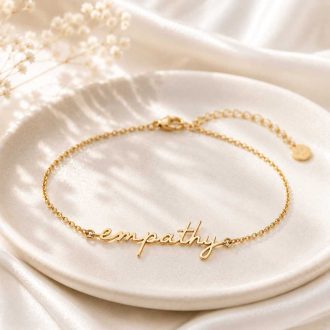

In a world moving faster than our emotions can keep up, there’s a quiet revolution happening—not through loud gestures, but through quiet understanding. It’s called affective empathy, and though the phrase sounds clinical, its impact is anything but. This gentle, human instinct is the thread that binds us when words fall short, creating safe spaces, unspoken bonds, and deep healing.
The Heart of Affective Empathy
Affective empathy is the deep emotional resonance we feel when we connect to someone else’s feelings—not just understanding their pain or joy, but feeling it with them. It’s the tear that wells up when a loved one’s voice cracks. The sudden warmth you feel when your friend shares good news. The invisible thread pulling your heart into someone else’s story.
Unlike cognitive empathy, which helps us logically understand someone’s perspective, affective empathy is raw, visceral, and profoundly human. It is emotional intuition—often wordless, always sincere.
What makes it so powerful is its authenticity. It isn’t about fixing or analyzing someone’s experience. It’s simply about being with them in it—holding space, without judgment, in the sacred terrain of emotion.
Why Affective Empathy Changes Relationships
Connection thrives when people feel seen, heard, and emotionally held. In friendships, romantic relationships, or family dynamics, affective empathy allows walls to fall. It creates room for vulnerability—and in that space, intimacy grows.
When your partner senses your sorrow without you saying a word.
When a parent soothes their child not with logic but with presence.
When a friend silently mirrors your tears.
These are not small gestures—they are bridges to healing.
Conflict, too, softens under the presence of affective empathy. It’s easier to resolve issues when emotions are validated rather than dismissed. Empathy doesn’t mean always agreeing—it means understanding. And that, alone, can change the tone of every conversation.
Affective vs. Cognitive Empathy: Why Both Matter
You might wonder—isn’t empathy just empathy?
Not quite.
Cognitive empathy is like a map. It helps you intellectually grasp someone’s emotional terrain.
Affective empathy is the walk you take with them through that terrain.
You can have one without the other. Some people are great at understanding feelings (cognitive), but struggle to feel them (affective). Others absorb emotions deeply but may not understand where those feelings are coming from.
In the most emotionally intelligent people, these two forms of empathy work together. When we can both feel and understand—our compassion becomes deeper, wiser, and more impactful.
Emotional Intelligence Begins with Affective Empathy
At the core of emotional intelligence lies empathy—not just the understanding, but the feeling of another’s emotional world.
People with strong affective empathy:
Build trust effortlessly
Offer meaningful support
Navigate social dynamics with sensitivity
Communicate with intention and warmth
And perhaps most importantly—they foster safe emotional environments where others can simply be themselves.
In professional spaces, leaders with affective empathy build stronger teams, reduce burnout, and create more inclusive environments. It’s not a “soft skill”—it’s a foundational leadership trait in today’s emotionally complex world.
How It Shapes Mental Health and Inner Peace
There’s something deeply healing about being met with empathy—not advice, not judgment, not pity, but presence. Affective empathy doesn’t try to fix the pain. It just says, “You’re not alone in this.”
This kind of connection reduces feelings of isolation and improves emotional resilience. When you’re seen and felt, healing becomes possible.
But affective empathy also improves your relationship with yourself. As you attune to others’ feelings, you become more aware of your own. That self-awareness fosters self-compassion—an underrated key to emotional wellbeing.
Empathy also creates community. Whether in your family, friendships, or wider society, affective empathy builds networks of care. It ripples outward—one compassionate exchange at a time.
Strengthening Affective Empathy: Gentle Practices
If you don’t consider yourself highly empathetic, that’s okay. Empathy is not just a trait—it’s a practice.
Here’s how to nurture it:
1. Practice Emotional Attunement
Notice your own emotions without rushing to change or justify them. That same attunement helps you recognize emotions in others with greater sensitivity.
2. Lean into Active Listening
Listen not just for words, but for emotion underneath. Pause before responding. Reflect back what you hear and feel. This kind of listening makes people feel deeply valued.
3. Engage in Mindful Presence
Be fully present with people. Put away distractions. Hold their gaze. Notice body language. Presence is empathy’s greatest companion.
4. Create Emotional Boundaries
Empathy isn’t about absorbing every emotion—it’s about resonating while staying grounded. Know your emotional limits, and refill your cup when it feels empty.
5. Journal Emotional Moments
Reflect on times when you felt deeply connected to someone else’s experience. What stirred that feeling? How did it shape your response?
Empathy, like a muscle, grows stronger the more we use it.
Affective Empathy at Work: The Quiet Culture Shift
In workplaces that value affective empathy, productivity becomes sustainable. Employees thrive when they feel seen beyond their job titles. Collaboration strengthens. Creativity blooms. Retention improves.
The best leaders today aren’t just strategic—they’re emotionally intelligent. They lead with heart. They notice when someone’s quiet and check in. They respond with grace, not ego. They don’t just ask, “What’s the problem?”—they ask, “How are you feeling about this?”
That simple shift can transform a team dynamic.
Misconceptions and Myths: Let’s Clear the Air
Myth: Empathy is weakness.
Truth: It’s a strength that requires courage and vulnerability.Myth: You must feel everything.
Truth: Affective empathy is about resonance, not emotional overload.Myth: You’re either born with it or you’re not.
Truth: Empathy can be learned, cultivated, and strengthened.
Being empathetic does not mean losing yourself. It means showing up with your humanity intact.
Final Reflection
Affective empathy isn’t about being perfect. It’s about being present. It’s not about always knowing the right words. It’s about feeling with, not just for, someone.
In a world that often rushes past the quiet moments, affective empathy invites us to slow down, lean in, and truly connect. Whether it’s in the tear-streaked silence of a friend’s heartache, the shared joy in someone else’s win, or the courageous act of sitting with discomfort—this kind of empathy heals.
Because when we feel together, we heal together.

Where softness, self-awareness, and emotional healing are allowed to coexist. Through reflective writing, grounding rituals, and intentional beauty, Sparrow Trades offers gentle support for sensitive souls learning to reconnect with themselves.
Jewelry Discovery: Explore Our Handpicked Insights
- Revamp Your Style: Embrace the Modern Look in Jewelry
- The Space Between Us Was Me: My SER, My Healing, My Return
- The Ultimate Guide to Pendant Necklaces: Unveiling the Charms and Styles
- Blossom This Spring: Tech Tools Every Jewelry Entrepreneur Needs
- Jewelry Should Feel Like a Reflection: Wearing What Speaks to Your Soul
- Stones as a Jewelry Material: Lava, River, Soapstone, Alabaster, and Fossilized Stones
- Unleashing Elegance: How Matte Texture Shines in the World of Jewelry
- Types of Gemstone Jewelry: Uncover the Beauty and Meaning Behind Every Precious Stone