
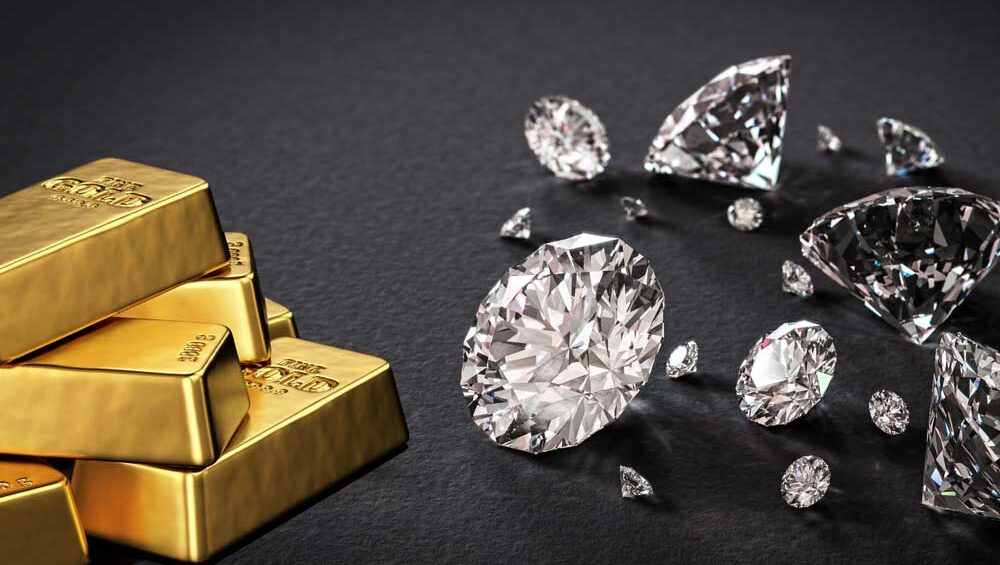
Are you confused about the difference between karat and carat? You’re not alone. Many people use these terms interchangeably, but they actually refer to two completely different things. In this comprehensive guide, we will demystify the confusion surrounding karat and carat, and help you understand the distinction between the two.
Karat is a unit of measurement used to determine the purity of gold. It measures the percentage of pure gold in a piece of jewelry or other gold items. Carat, on the other hand, is a unit of measurement used to determine the weight of gemstones, such as diamonds. It measures the size and consequently, the value of the stone.
Understanding the difference between karat and carat is essential for anyone buying or selling gold or gemstone jewelry. By having a clear understanding of these jewelry terms, you can make informed decisions and ensure that you are getting the value you deserve.
In this guide, we will cover everything you need to know about karat and carat, including how they are measured, their significance in the jewelry industry, and common misconceptions surrounding them. So, let’s dive in and become experts in distinguishing between karat and carat!
What is Karat?
Karat is a unit of measurement used to determine the purity of gold. It is denoted by the symbol ‘K’ or ‘kt’ and is expressed in 24 parts. Pure gold is designated as 24 karats, indicating that it is 24 parts gold and 0 parts of other metals. As the karat value decreases, the percentage of gold in the alloy also decreases, making the piece less pure. For example, 18 karat gold consists of 18 parts gold and 6 parts of other metals.
Gold jewelry is commonly available in various karatages, such as 10k, 14k, 18k, and 22k. The karat value is usually stamped on the jewelry to indicate its purity level. It is essential to understand the karat of gold jewelry before making a purchase, as it directly affects the quality, durability, and price of the piece. Higher karat gold is softer and more prone to scratches and bends, while lower karat gold is more durable due to the presence of stronger alloy metals.
When buying gold jewelry, it is crucial to consider your preferences and budget. Higher karat gold is more valuable due to its higher gold content, but it also comes with a higher price tag. Lower karat gold may be more affordable and durable for everyday wear. Understanding the karat system enables you to make an informed decision based on your desired balance of purity, durability, and price.
Understanding the Karat System
The karat system is based on a scale of 24, where 24 karats represent pure gold. Each karat indicates the percentage of gold in the alloy, with the remaining parts consisting of other metals such as silver, copper, or zinc. For example, 18 karat gold is 75% pure gold, while the remaining 25% is made up of alloy metals. This system allows consumers to easily identify the purity level of gold jewelry and make comparisons between different pieces.
In the United States, karat markings are often accompanied by a stamp that indicates the manufacturer or designer of the jewelry. This stamp serves as a guarantee of the piece’s karat purity and authenticity. It is important to purchase gold jewelry from reputable sellers who provide accurate karat information and adhere to industry standards. By understanding the karat system and recognizing these markings, you can confidently select gold jewelry that meets your preferences and expectations.
The karat system also plays a significant role in the valuation of gold jewelry. Higher karat gold is typically more valuable due to its higher gold content, making it a desirable choice for investment or luxury jewelry pieces. However, lower karat gold may be more suitable for everyday wear due to its durability and affordability. Whether you are purchasing gold jewelry for special occasions or everyday use, the karat system offers a clear indication of the piece’s quality and value.
Common Uses of the Karat System
The karat system is widely used in the jewelry industry to indicate the purity of gold in various pieces, such as rings, necklaces, bracelets, and earrings. Different karatages cater to diverse consumer preferences, with some individuals favoring higher purity levels for their intrinsic value and others opting for lower purity levels for practicality and affordability. Understanding the karat system allows consumers to select gold jewelry that aligns with their style, budget, and intended use.
In addition to jewelry, the karat system is also utilized in the production of gold coins and bars. Investment-grade gold is often offered in high karatages to appeal to investors seeking pure gold assets. The karat system provides a standardized method for measuring gold purity and ensures transparency in the gold market. Whether you are a jewelry enthusiast, collector, or investor, the karat system serves as a valuable tool for evaluating and selecting gold products that suit your preferences and objectives.
Determining the Purity of Gold Using Karats
Determining the purity of gold using karats involves assessing the karat stamp on jewelry or gold items and understanding its implications. Higher karat gold is prized for its purity and luxurious appeal, while lower karat gold offers a balance of durability and affordability. By familiarizing yourself with the karat system and its applications, you can confidently navigate the world of gold jewelry and make informed decisions that reflect your individual tastes and requirements.
When examining gold jewelry, look for a karat stamp, which is usually placed in a discreet location such as the inside of a ring band or the clasp of a necklace. This stamp will indicate the karat value, such as 10K, 14K, 18K, or 24K, providing a clear indication of the gold content in the piece. For example, a 14K stamp means the jewelry contains 58.3% pure gold, with the remaining percentage consisting of other alloy metals.
It is important to note that the higher the karat number, the softer and more malleable the gold will be. This can affect the durability and wearability of the jewelry, especially for pieces worn daily. Conversely, lower karat gold, while containing less pure gold, benefits from the added strength of alloy metals, making it more resistant to scratches and damage.
To ensure the authenticity and quality of gold jewelry, consider purchasing from reputable jewelers who provide certification and guarantee the accuracy of karat markings. Additionally, being aware of potential fraudulent practices, such as falsely stamped karat values, can protect you from purchasing substandard or counterfeit gold items.
Understanding the karat system and how to determine gold purity empowers you to make informed choices, whether you’re investing in a timeless piece of jewelry or seeking a durable option for everyday wear. By paying attention to karat markings and relying on trusted sources, you can confidently select gold jewelry that meets your expectations and preferences.
What is Carat?
Carat is a unit of measurement used to determine the weight of gemstones, such as diamonds, sapphires, rubies, and other precious and semi-precious stones. It is denoted by the symbol ‘ct’ and is equivalent to 200 milligrams or 0.2 grams. The carat weight of a gemstone is a critical factor in assessing its value, with larger stones generally being more valuable due to their rarity.
Carat weight is one of the “Four Cs” of gemstone grading, along with cut, color, and clarity. These factors collectively determine the overall quality and value of a gemstone. While carat weight is an important aspect, it is essential to consider the other three Cs to get a comprehensive understanding of a gemstone’s worth.
Gemstones are often measured to the nearest hundredth of a carat, with precision scales used to ensure accuracy. For example, a diamond might be described as weighing 1.25 carats. The price per carat typically increases with the weight of the gemstone, but the value is also influenced by the stone’s quality in terms of cut, color, and clarity.
It’s important to note that two gemstones of equal carat weight can have different values based on their quality and characteristics. For instance, a well-cut, clear diamond with excellent color may be worth significantly more than a larger diamond of lesser quality. Therefore, carat weight should be considered in conjunction with the other quality factors when evaluating a gemstone.
In addition to its use in the gemstone industry, the term “carat” is also used in the context of pearl measurement. However, in this case, it refers to the size rather than the weight of the pearls.
Understanding carat weight is crucial for anyone involved in buying or selling gemstones. By knowing how carat weight impacts a gemstone’s value and how it interacts with the other quality factors, you can make informed decisions and ensure you are getting the best possible value for your investment.
Understanding the carat system
The carat system is a standardized method used to measure the weight of gemstones, including diamonds, sapphires, rubies, and emeralds. This system helps provide consistency and clarity in the gemstone market, allowing buyers and sellers to accurately determine the weight and, consequently, a significant aspect of the stone’s value.
Carat Weight
As previously mentioned, one carat is equivalent to 200 milligrams, or 0.2 grams. This precise measurement allows for accurate comparisons between gemstones. For example, a gemstone weighing 0.5 carats would weigh 100 milligrams, while a 2-carat gemstone would weigh 400 milligrams. Jewelers and gemologists use specialized scales to measure carat weight with high precision, often to the nearest hundredth of a carat.
Carat and Value
While carat weight plays a crucial role in determining the value of a gemstone, it is not the sole factor. The value of a gemstone is also influenced by its cut, color, and clarity. Larger gemstones are generally rarer and therefore more valuable, but a smaller gemstone with superior cut, color, and clarity can be worth more than a larger, lower-quality stone.
Carat Weight Distribution
The carat system also considers how the weight of a gemstone is distributed. Two gemstones with the same carat weight can appear different in size based on how they are cut. A well-proportioned cut can make a gemstone appear larger and more brilliant, while a poorly cut stone may seem smaller and less attractive, even if both stones have the same carat weight.
Carat Total Weight (CTW)
In jewelry featuring multiple gemstones, such as a diamond ring with several smaller stones, the total weight of all the stones is often expressed as the carat total weight (CTW or TCW). This term indicates the cumulative weight of all the gemstones in the piece. While CTW provides an idea of the overall gemstone content, it’s important to consider the quality of each individual stone as well.
Importance of the Carat System
The carat system provides a clear and standardized way to communicate the weight of gemstones, facilitating transparency in the buying and selling process. For consumers, understanding the carat system can help in making informed decisions, ensuring they receive fair value for their purchases. For sellers, accurate carat measurement is essential for pricing and marketing their gemstones effectively.
Tips for Buying Based on Carat Weight
Balance Carat Weight with Quality: Don’t focus solely on carat weight. Consider the gemstone’s cut, color, and clarity to ensure you are getting a high-quality stone.
Set a Budget: Determine your budget and find the best quality gemstone within that range, balancing carat weight with other quality factors.
Consult a Professional: Work with a reputable jeweler or gemologist who can provide certification and detailed information about the gemstone’s carat weight and other quality characteristics.
Consider the Setting: The jewelry setting can affect the appearance of the gemstone. A well-designed setting can enhance the stone’s perceived size and brilliance.
By understanding the carat system and how it impacts the overall value and appearance of gemstones, you can make informed choices that suit your preferences and budget. Whether you’re investing in a single gemstone or a piece of jewelry with multiple stones, the carat system serves as a reliable guide in your decision-making process.
Common Uses of the Carat System
The carat system is integral to various aspects of the gemstone and jewelry industry. It provides a standardized method for measuring and comparing the weight of gemstones, ensuring consistency and transparency in the market. Here are some of the most common uses of the carat system:
- Evaluating Gemstone Weight: The primary use of the carat system is to measure the weight of gemstones. This measurement is crucial in determining the value of individual stones. Gemologists and jewelers use highly accurate scales to measure gemstones to the nearest hundredth of a carat, ensuring precision in valuation.
- Pricing Gemstones: Carat weight is a fundamental factor in the pricing of gemstones. Generally, the price per carat increases with the weight of the stone, reflecting its rarity and desirability. However, the final price also depends on the gemstone’s cut, color, and clarity. High-quality gemstones with significant carat weight command premium prices in the market.
- Creating Matching Sets: In jewelry design, the carat system helps in creating matching sets of gemstones. For example, earrings or a necklace and ring set often feature stones of similar carat weight to ensure a harmonious and balanced appearance. Jewelers use the carat measurement to select stones that match in size and weight, enhancing the overall aesthetic appeal of the jewelry.
- Custom Jewelry Design: When designing custom jewelry, the carat system allows jewelers to precisely specify the weight of the gemstones to be used. This precision ensures that the final piece meets the client’s expectations in terms of both appearance and value. Whether designing an engagement ring, a necklace, or a pair of earrings, understanding the carat weight of each stone is essential.
- Investment Purposes: Investors often use the carat system when purchasing gemstones as an investment. High-carat, high-quality gemstones are considered valuable assets that can appreciate over time. The carat system provides a clear and standardized way to assess the weight and, consequently, a significant portion of the value of these investment-grade stones.
- Certification and Appraisal: Gemstone certification and appraisal processes rely heavily on the carat system. Certified gemological laboratories measure and document the carat weight of gemstones as part of their comprehensive evaluation reports. These certifications provide buyers with confidence in the authenticity and quality of their gemstones, including precise carat weight information.
- Jewelry Resale: The carat system also plays a crucial role in the resale of jewelry. When selling pre-owned jewelry, the carat weight of the gemstones is a key factor in determining the resale value. Accurate carat measurements, along with documentation from reputable sources, can enhance the resale value and attract potential buyers.
- Manufacturing and Quality Control: In the manufacturing of gemstone jewelry, the carat system is used to ensure consistency and quality control. Manufacturers rely on precise carat measurements to produce jewelry that meets industry standards and consumer expectations. Quality control processes involve verifying the carat weight of gemstones to maintain accuracy and integrity in the final product.
- Market Comparisons: The carat system enables consumers to make informed comparisons between different types of gemstones and jewelry pieces. By understanding the carat weight and how it relates to other quality factors, buyers can evaluate the relative value of various options and make educated purchasing decisions.
By understanding the common uses of the carat system, you can appreciate its importance in the gemstone and jewelry industry. Whether you are a buyer, seller, investor, or designer, the carat system provides a reliable and standardized method for evaluating and comparing the weight and value of gemstones.
Determining the Weight of Gemstones Using Carats
Determining the weight of gemstones using carats is a fundamental aspect of gemology and jewelry design. Accurate measurement of gemstone weight is crucial for assessing the value, pricing, and overall quality of the stones. Here’s a detailed look at how gemstone weight is determined using the carat system:
Precision Measurement Tools
To measure the weight of gemstones, gemologists and jewelers use precision scales designed specifically for this purpose. These scales can measure to the nearest hundredth or even thousandth of a carat, ensuring the highest level of accuracy. The use of such precise tools is essential because even small variations in weight can significantly impact the value of a gemstone.
Carat Weight and Size
While carat weight measures the mass of a gemstone, it does not directly correlate with the stone’s size. Different types of gemstones have varying densities, which means that two stones of the same carat weight can have different dimensions. For example, a 1-carat diamond may appear smaller than a 1-carat sapphire due to differences in density.
Calculating Carat Weight
The carat weight of a gemstone is calculated by dividing its weight in milligrams by 200. For instance, if a gemstone weighs 400 milligrams, its carat weight is calculated as follows:
Carat Weight = Weight in Milligrams / 200 = 400 / 200 = 2 carats
This standardized calculation ensures consistency in the measurement of gemstone weight.
Importance of Accurate Measurement
Accurate carat measurement is crucial for several reasons:
- Valuation: The value of a gemstone is heavily influenced by its carat weight. Precise measurement ensures fair pricing and transparency in transactions.
- Certification: Gemstone certifications, provided by reputable gemological laboratories, include exact carat weight as part of their detailed reports. These certifications add credibility and confidence for buyers.
- Design and Matching: In jewelry design, especially for pieces featuring multiple stones, accurate carat measurement helps create harmonious and balanced designs by ensuring stones of matching weights.
Carat Weight and Cut
The cut of a gemstone can affect its perceived size and brilliance, regardless of its carat weight. A well-cut gemstone maximizes light reflection and can appear larger and more vibrant than a poorly cut stone of the same carat weight. Therefore, while carat weight is an important factor, it should be considered alongside the cut quality when evaluating gemstones.
Practical Tips for Consumers
- Understand the Relationship Between Weight and Size: Remember that carat weight measures mass, not size. Be aware that different gemstones of the same carat weight may look different in size.
- Look for Certification: When purchasing gemstones, seek certified stones with detailed reports that include precise carat weight, cut, color, and clarity information.
- Consult a Professional: Work with a reputable jeweler or gemologist who can provide expert guidance and ensure accurate measurement and evaluation of gemstones.
- Balance Carat Weight with Other Quality Factors: Consider the cut, color, and clarity of the gemstone in addition to carat weight to ensure you are selecting a high-quality stone that meets your preferences and budget.
Understanding how to determine the weight of gemstones using carats empowers you to make informed decisions, whether you’re purchasing gemstones for personal use, investment, or designing custom jewelry. Accurate carat measurement is a cornerstone of gemstone valuation and plays a vital role in the overall appreciation of these precious stones.
Conclusion: Choosing the Right Karat and Carat for Your Needs
Choosing the right karat and carat for your needs involves understanding the distinct roles these measurements play in the world of jewelry. By grasping the significance of both karat (purity of gold) and carat (weight of gemstones), you can make informed decisions that align with your preferences, budget, and intended use of the jewelry.
Balancing Purity and Durability with Karat
When selecting gold jewelry, consider the balance between purity and durability:
- Higher Karat (18K-24K): Ideal for those who prioritize purity and luxurious appeal. Higher karat gold is softer and may require more careful handling, making it suitable for special occasions or investment pieces.
- Lower Karat (10K-14K): Offers a blend of durability and affordability. Lower karat gold contains a higher proportion of alloy metals, enhancing its strength and making it a practical choice for everyday wear.
Your choice should reflect your lifestyle and how you plan to wear the jewelry. For items subject to frequent wear and potential impact, lower karat gold may be more suitable. Conversely, for pieces intended to showcase opulence and purity, higher karat gold is preferable.
Evaluating Gemstone Value with Carat
When it comes to gemstones, carat weight is a key factor in determining value, but it should be considered alongside other quality attributes:
- Larger Carat Stones: Typically more valuable due to their rarity. However, ensure the stone’s cut, color, and clarity are also of high quality to maximize its beauty and value.
- Smaller Carat Stones: Can offer exceptional value and beauty, especially if they possess excellent cut, color, and clarity. Smaller stones can also be combined in designs to create stunning jewelry pieces.
Evaluate the overall quality of the gemstone, considering how the carat weight impacts its appearance and how it fits within your budget and design preferences.
Making Informed Choices
To make the best decisions when choosing jewelry:
- Consult Experts: Work with reputable jewelers and gemologists who can provide certifications and detailed information about the karat and carat of the jewelry.
- Set a Budget: Determine your budget beforehand and find the best quality within that range, balancing karat purity or carat weight with other quality factors.
- Consider the Occasion: Think about how and when you will wear the jewelry. Choose higher karat gold for special occasions and investment, and lower karat gold for everyday wear. Select gemstone sizes that suit the intended use and design of the jewelry.
- Verify Authenticity: Look for karat and carat markings, and ensure you receive certification from recognized gemological laboratories to guarantee authenticity and quality.
Personal Preferences and Style
Ultimately, the right karat and carat for your needs should reflect your personal style and preferences. Whether you favor the purity of higher karat gold or the practicality of lower karat options, or whether you prefer the allure of large gemstones or the subtle elegance of smaller stones, your choices should align with your individual taste.
By understanding the differences between karat and carat and how they influence the value and appearance of jewelry, you can confidently select pieces that not only meet your needs but also bring you joy and satisfaction. Whether for personal adornment, gifting, or investment, the right combination of karat and carat will enhance the beauty and significance of your jewelry collection.
Shop Our Jewelry Collection
Discover our exquisite range of jewelry to complement your style:

Where softness, self-awareness, and emotional healing are allowed to coexist. Through reflective writing, grounding rituals, and intentional beauty, Sparrow Trades offers gentle support for sensitive souls learning to reconnect with themselves.