
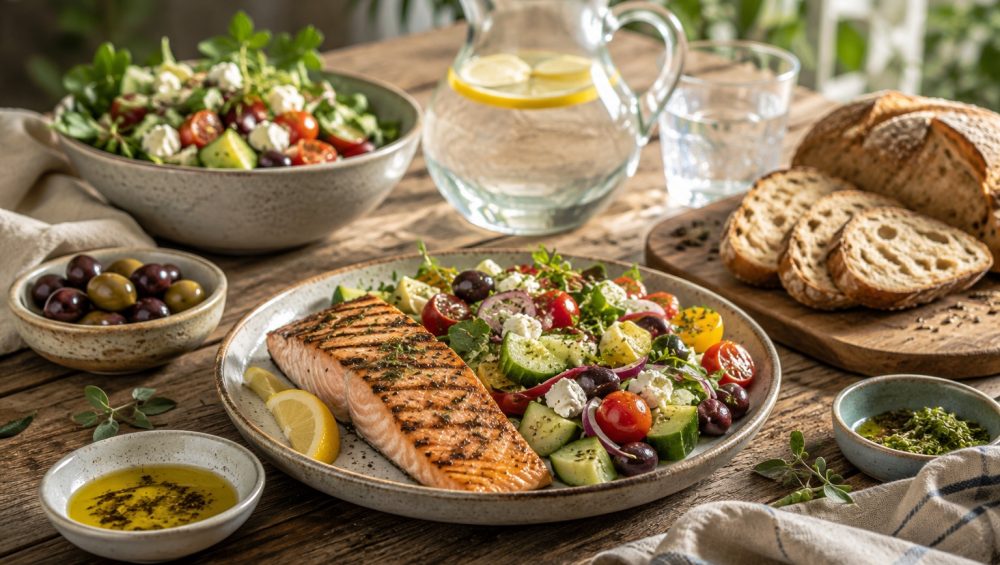
Many diets come and go, promising quick results through strict rules, cutting out entire food groups, or counting every calorie. While these approaches may offer short-term changes for some people, they can also leave many feeling overwhelmed, discouraged, or disconnected from the simple pleasure of eating. The Mediterranean Diet offers a different perspective. Rather than focusing on restriction, it emphasizes nourishment, balance, and enjoying wholesome foods that have been part of everyday life in Mediterranean countries for generations.
Research has consistently linked the Mediterranean Diet with numerous health benefits, including better heart health, improved metabolic function, and a lower risk of several chronic diseases. More recently, researchers have also explored how this eating pattern may support brain health and emotional well-being, making it an area of growing interest for people seeking sustainable ways to care for both body and mind.
Healthy eating, however, is rarely just about nutrition. Meals often carry emotional meaning, reflecting family traditions, cultural identity, comfort, celebration, and connection. The Mediterranean Diet recognizes this naturally. Sharing meals with others, preparing fresh ingredients, and slowing down long enough to enjoy food are just as much a part of the lifestyle as choosing vegetables, olive oil, or fish. That broader perspective makes it easier for many people to maintain than diets built around restriction or guilt.
For Sparrow Trades, this approach fits naturally within the larger conversation around emotional wellness. Caring for ourselves is rarely accomplished through a single habit. Instead, emotional well-being often grows from many small choices that work together over time, including sleep, movement, supportive relationships, and the food we eat. Nutrition becomes one piece of a much larger picture rather than the entire focus.
You may also notice that adopting a Mediterranean eating pattern encourages greater mindfulness around everyday choices. Paying attention to hunger, fullness, flavors, and satisfaction can transform meals from something rushed between responsibilities into opportunities to reconnect with yourself. That awareness often becomes just as valuable as the foods themselves.
This article explores what the Mediterranean Diet is, the foods it emphasizes, why it has earned widespread respect among nutrition experts, and how it differs from many popular dieting trends. You will also discover why its flexible, lifestyle-based approach has remained relevant for decades and continues to inspire healthier eating habits around the world.
What Is the Mediterranean Diet?
The Mediterranean Diet is a way of eating inspired by the traditional dietary patterns of countries bordering the Mediterranean Sea, including Greece, southern Italy, and parts of Spain. Rather than prescribing a strict meal plan, it reflects a collection of eating habits that prioritize fresh, minimally processed foods and encourage enjoying meals as part of everyday life.
At its foundation, the Mediterranean Diet emphasizes vegetables, fruits, legumes, beans, whole grains, nuts, seeds, herbs, and extra-virgin olive oil. Fish and seafood are eaten regularly, while poultry, eggs, yogurt, and cheese are typically enjoyed in moderation. Red meat and heavily processed foods are consumed less often, not because they are completely forbidden, but because they simply occupy a smaller place within the overall eating pattern.
A defining characteristic of this approach is its flexibility. There are no rigid lists of “good” and “bad” foods, no complicated point systems, and no expectation of perfection. Instead, each meal becomes another opportunity to choose nourishing ingredients more often than not. This mindset helps many people develop a healthier relationship with food over time rather than viewing eating as a series of successes or failures.
The Mediterranean Diet also extends beyond what appears on the plate. In many Mediterranean cultures, meals are shared with family and friends, enjoyed at a slower pace, and prepared using seasonal ingredients whenever possible. These habits naturally support a more intentional relationship with food and reinforce the idea that eating can be both nourishing and enjoyable.
Because of this broader lifestyle perspective, the Mediterranean Diet aligns naturally with nutrition. Food is not presented as a cure for emotional challenges, nor is it expected to solve every health concern. Instead, it becomes one meaningful way to support long-term well-being while complementing other healthy habits. The relationship between this eating pattern and emotional health is explored more fully through Mediterranean Diet for emotional wellness.
What Foods Are Included in the Mediterranean Diet?
One of the Mediterranean Diet’s greatest strengths is that it focuses more on adding nourishing foods than eliminating favorite meals. Instead of asking, “What can’t I eat?” the emphasis shifts toward, “How can I include more foods that support my health?”
Vegetables form the foundation of many meals, providing color, fiber, vitamins, and minerals. Leafy greens, tomatoes, cucumbers, peppers, broccoli, zucchini, eggplant, onions, and countless seasonal vegetables all fit naturally into this style of eating. Fruits are enjoyed daily as snacks, desserts, or additions to breakfast.
Whole grains such as oats, quinoa, brown rice, barley, and whole-grain bread provide lasting energy, while legumes—including beans, lentils, and chickpeas—offer plant-based protein and fiber. Healthy fats come primarily from extra-virgin olive oil, while nuts and seeds contribute additional nutrients and satisfying texture.
Fish such as salmon, sardines, trout, and mackerel are commonly encouraged because they provide omega-3 fatty acids. Dairy foods like yogurt and cheese are typically consumed in moderate amounts, while sweets and heavily processed foods are reserved for occasional enjoyment rather than daily staples.
Rather than trying to memorize every food that fits this eating pattern, many people simply begin by making small substitutions. Choosing olive oil instead of butter, adding vegetables to more meals, replacing refined grains with whole grains, or including fish more often can gradually shift eating habits without making meals feel restrictive. A practical Mediterranean Diet food list can eventually make those everyday choices easier to understand and organize.
Why Is the Mediterranean Diet Considered One of the Healthiest Eating Patterns?
The Mediterranean Diet has been studied for decades, making it one of the most thoroughly researched eating patterns in the world. While no single way of eating guarantees perfect health, findings across nutrition research have helped establish the Mediterranean Diet as a sustainable option for supporting long-term wellness.
One factor behind its reputation is that it encourages nutrient-dense foods rather than highly processed ones. Vegetables, fruits, legumes, whole grains, healthy fats, and seafood naturally provide vitamins, minerals, antioxidants, and fiber that work together to support normal body functions. Instead of relying on individual “superfoods,” the Mediterranean Diet emphasizes the combined benefits of an overall eating pattern.
Researchers have also found associations between Mediterranean-style eating and improved cardiovascular health. Regular consumption of olive oil, nuts, fish, and fiber-rich foods may help support healthy cholesterol levels, blood pressure, and overall heart function as part of a balanced lifestyle. Because heart and brain health are closely connected, many experts view these dietary habits as beneficial across multiple aspects of well-being.
Perhaps its greatest strength is sustainability. Highly restrictive diets often become difficult to maintain because they depend on eliminating favorite foods or following rigid rules. The Mediterranean Diet takes a different approach by encouraging flexibility and enjoyment. Birthdays, family dinners, holidays, and occasional treats can still fit within the overall pattern without creating feelings of failure or guilt.
This balance often supports healthier long-term habits than pursuing perfection. Small, consistent choices tend to have a greater impact over years than dramatic changes that last only a few weeks. For readers who want more practical structure, a Mediterranean Diet meal plan can translate these general principles into everyday meals.
Can the Mediterranean Diet Support Emotional Wellness?
The Mediterranean Diet has earned its reputation largely because of its physical health benefits. As researchers have continued studying this eating pattern, many have also begun exploring whether the same habits that support the body might influence emotional well-being. While nutrition is only one piece of a much larger picture, this growing area of research has sparked thoughtful conversations about the relationship between food, the brain, and everyday emotional health.
It is important to approach these findings with realistic expectations. Eating a Mediterranean Diet is not a treatment for anxiety, depression, trauma, or other mental health conditions, nor should it replace medical care or therapy when those are needed. Emotional well-being is influenced by many factors, including genetics, sleep, relationships, movement, stress, life experiences, and access to professional support.
Even so, nourishing yourself consistently can help create a steadier foundation for everyday resilience. Regular meals may contribute to more stable energy throughout the day, while fiber-rich foods and healthy fats support overall physical health. Preparing meals at home, sharing food with loved ones, and slowing down during meals can also create opportunities for connection and self-care that extend beyond nutrition alone.
When viewed through this broader lens, healthy eating becomes less about chasing perfect health and more about supporting yourself with kindness and consistency. That perspective reflects the idea that emotional wellness foundations are built through several supportive habits working together rather than one perfect choice.
Slowing down during meals may also create greater awareness of your emotions. Eating without constant distractions leaves room to notice stress, comfort, satisfaction, or habits that previously went unrecognized. This kind of quiet observation can pair naturally with journaling, helping you recognize connections between meals, energy, and emotional experiences without turning food into another source of judgment. Over time, approachable Mediterranean Diet recipes can make this way of eating feel more familiar and achievable.
How Can You Start Following the Mediterranean Diet?
Beginning the Mediterranean Diet does not require emptying your pantry or replacing every meal overnight. Gradual changes are often easier to maintain because they allow new habits to become part of everyday life instead of feeling like temporary rules.
You might begin with one or two simple adjustments each week. Swapping butter for extra-virgin olive oil, adding another serving of vegetables to dinner, choosing whole-grain bread, or enjoying fish once or twice a week are all meaningful steps. These small changes accumulate over time and often feel far more manageable than attempting a complete dietary overhaul.
Planning meals ahead can also reduce decision fatigue. Keeping vegetables, beans, whole grains, fruit, yogurt, nuts, and healthy pantry staples available makes it easier to prepare balanced meals without relying as heavily on convenience foods. As these ingredients become familiar, they begin to feel like normal grocery purchases rather than items required for a special diet.
Lasting change also depends on enjoyment rather than perfection. A satisfying meal is more likely to become a regular habit than one chosen solely because it seems healthy. Cooking with herbs, experimenting with seasonal produce, and sharing meals with others can make nourishing food feel rewarding instead of restrictive.
This gentle approach reflects the way daily self-care rituals develop through small decisions repeated consistently. Healthy routines rarely require dramatic transformation. A practical Mediterranean Diet for beginners can eventually offer additional structure without taking away the flexibility that makes this eating pattern sustainable.
What Does a Typical Mediterranean Diet Meal Look Like?
One of the reasons the Mediterranean Diet has remained popular is that it doesn’t require complicated recipes or specialty ingredients. Most meals are built around foods that are widely available, easy to prepare, and naturally satisfying. Instead of following rigid formulas, the goal is to create balanced meals that include vegetables, healthy fats, quality protein, and whole grains whenever possible.
Breakfast might include plain Greek yogurt topped with fresh berries, walnuts, and a drizzle of honey, alongside whole-grain toast with avocado or tomato. Lunch could be a large salad filled with leafy greens, cucumbers, tomatoes, olives, chickpeas, and grilled chicken or salmon dressed with olive oil and lemon juice. Dinner often centers around roasted vegetables, fish or beans, and a serving of quinoa, brown rice, or whole-grain pasta.
Snacks also tend to be simple and nourishing. Fresh fruit, a handful of almonds, sliced vegetables with hummus, or plain yogurt are all common choices that fit naturally within the eating pattern. Rather than eating according to strict schedules, many people simply aim to choose foods that help them feel satisfied and energized.
Meals are also viewed as opportunities to slow down. Taking time to prepare food, sitting down without rushing, and sharing meals with family or friends can make eating feel more enjoyable while encouraging greater awareness of hunger and fullness. This slower pace often supports healthier habits because satisfaction comes not only from what is eaten, but from the experience of eating itself. As this topic grows, examples of Mediterranean Diet breakfast, Mediterranean Diet lunch ideas, and Mediterranean Diet dinner recipes can provide practical inspiration for everyday meals.
What Foods Are Limited on the Mediterranean Diet?
Unlike many popular diets, the Mediterranean Diet does not rely on long lists of forbidden foods. Instead, it encourages choosing certain foods more often while enjoying others less frequently. This flexible mindset helps many people avoid the cycle of feeling successful one day and discouraged the next.
Highly processed foods are generally limited because they often contain added sugars, refined grains, unhealthy fats, and large amounts of sodium. Sugary beverages, packaged snack foods, processed meats, and heavily refined desserts are typically reserved for occasional enjoyment rather than becoming everyday staples.
Red meat is usually eaten less frequently than fish, seafood, beans, or legumes, but it is not completely eliminated. Likewise, sweets can still be part of celebrations and special occasions. The emphasis is on the overall pattern of eating rather than judging individual meals.
This perspective can be surprisingly freeing. Many people discover that allowing room for flexibility makes healthy eating easier to sustain over months and years. Instead of asking whether a meal is “perfect,” they begin asking whether their overall eating habits generally support the kind of health they hope to build.
That shift away from all-or-nothing thinking often encourages greater self-awareness. Rather than reacting with guilt after an occasional indulgence, people learn to notice patterns, make adjustments, and continue moving forward with curiosity instead of criticism.
Is the Mediterranean Diet Right for Everyone?
The Mediterranean Diet is widely recommended because it is adaptable to many different lifestyles, cultures, and personal preferences. Whether someone prefers vegetarian meals, enjoys seafood, or cooks for a family, the overall principles can usually be adjusted without losing their nutritional foundation.
That said, no single eating pattern is perfect for every person. Individuals with food allergies, chronic medical conditions, digestive disorders, or specific nutritional needs may require personalized guidance from a physician or registered dietitian. Pregnancy, certain medications, and medical treatments can also influence dietary recommendations.
It is equally important to recognize that food is only one part of health. Someone experiencing persistent anxiety, depression, overwhelming stress, or emotional distress deserves compassionate, comprehensive support. Nutrition may contribute to overall well-being, but it should never be viewed as a replacement for appropriate medical or mental health care.
For readers working toward lasting well-being, healthy eating often becomes one piece of a broader picture that may also include quality sleep, regular movement, meaningful relationships, stress management, and professional support when needed. For some individuals, therapy may become an important part of that larger journey alongside nourishing daily habits.
Frequently Asked Questions
Is the Mediterranean Diet good for beginners?
Yes. One of the Mediterranean Diet’s greatest strengths is its flexibility. Rather than requiring strict meal plans or eliminating entire food groups, it encourages gradually eating more vegetables, fruits, whole grains, legumes, healthy fats, and seafood while reducing heavily processed foods. Most people can begin with a few small changes and build from there.
Can you lose weight on the Mediterranean Diet?
Some people do lose weight while following the Mediterranean Diet, but weight loss is not its primary purpose. The eating pattern focuses on overall health, balanced nutrition, and long-term sustainability. Individual results vary depending on many factors, including activity level, portion sizes, sleep, medical conditions, and overall lifestyle.
Can vegetarians follow the Mediterranean Diet?
Absolutely. Beans, lentils, chickpeas, nuts, seeds, whole grains, vegetables, fruits, and olive oil all play important roles in Mediterranean eating. Fish is commonly included, but it is not required for someone choosing a vegetarian version of the diet.
Is olive oil the most important part of the Mediterranean Diet?
Extra-virgin olive oil is often considered one of the defining foods of the Mediterranean Diet because it provides healthy unsaturated fats and replaces less nutritious sources of fat in many meals. However, it is only one part of the overall eating pattern. The greatest benefits are thought to come from the combination of vegetables, fruits, legumes, whole grains, seafood, nuts, seeds, and other minimally processed foods working together over time rather than from any single ingredient.
Can you eat dairy on the Mediterranean Diet?
Yes. Dairy foods such as plain yogurt and cheese are typically included in moderation. Rather than serving as the main focus of meals, they complement other nutrient-rich foods like vegetables, whole grains, fruit, and healthy fats. Choosing less processed options and enjoying appropriate portions aligns well with the overall philosophy of the Mediterranean Diet.
Is the Mediterranean Diet expensive?
It doesn’t have to be. Although fresh seafood and specialty ingredients can increase grocery costs, many of the diet’s core foods are affordable. Beans, lentils, oats, brown rice, frozen vegetables, seasonal produce, canned fish, and whole grains can all fit within a reasonable budget. Planning meals, buying ingredients in season, and cooking at home often make the Mediterranean Diet surprisingly economical.
How long does it take to notice benefits?
Everyone’s experience is different. Some people notice improvements in energy or meal satisfaction within a few weeks of making consistent changes, while other benefits—such as supporting heart health or improving overall dietary quality—develop over months and years. The Mediterranean Diet is intended to be a sustainable lifestyle rather than a short-term program.
Final Thoughts
The Mediterranean Diet has remained respected for generations because it offers something many modern diets do not: balance. Rather than encouraging perfection, it invites people to build everyday habits that are nourishing, enjoyable, and realistic enough to maintain over time.
Its emphasis on colorful vegetables, fruits, legumes, whole grains, healthy fats, seafood, and shared meals reflects an approach that supports overall health without requiring rigid rules or constant self-monitoring. For many people, that flexibility becomes one of its greatest strengths. Healthy eating feels less like a series of restrictions and more like a way of caring for themselves with consistency and intention.
Just as importantly, the Mediterranean Diet reminds us that food is connected to much more than nutrition alone. Meals can foster connection, create moments of gratitude, encourage slower living, and become part of a broader rhythm of self-care. While nutrition cannot solve every emotional or physical challenge, choosing nourishing foods can become one meaningful way to support your overall well-being alongside rest, movement, supportive relationships, and professional care when needed.
Whether you’re making one small change this week or gradually embracing a new way of eating, every balanced meal is an opportunity to invest in your future health. Progress doesn’t come from following a perfect diet—it grows from the steady choices that become part of everyday life. For readers who want to continue exploring the connection between nourishment and well-being, the future topic of Mediterranean Diet for emotional wellness offers a natural next step.


Where softness, self-awareness, and emotional healing are allowed to coexist. Through reflective writing, grounding rituals, and intentional beauty, Sparrow Trades offers gentle support for sensitive souls learning to reconnect with themselves.