
There are moments when someone else’s pain lands in your body before their words even reach your ears.
You walk away from a conversation feeling heavy without knowing why. You notice tension in a room before anyone speaks. Sometimes you understand exactly what another person is going through even if you’ve never lived their experience yourself. Other times, you feel deeply for someone but still struggle to know how to help.
Empathy is often talked about as though it is one single trait — either you have it or you do not. But lived experience rarely feels that simple. Emotional connection moves through people in very different ways. Some people intellectually understand emotions without fully feeling them. Others absorb emotions so deeply that they lose sight of themselves. Some instinctively move toward compassion and care, while others become overwhelmed by emotional intensity and shut down.
Understanding the different types of empathy can change the way you relate to yourself just as much as the way you relate to other people.
For many emotionally sensitive people, empathy has never felt like a “skill.” It has felt like survival. Hyperawareness of moods, emotional shifts, disappointment, anger, or sadness often develops early in environments where emotional safety felt unpredictable. Many people who grew up navigating emotional instability learned to scan faces, tones, silences, and energy changes before they learned how to identify their own needs.
That kind of emotional sensitivity can create profound connection, but it can also create exhaustion.
Sometimes empathy becomes so outward-focused that your nervous system forgets how to stay connected to your own emotional reality. You may begin confusing emotional closeness with emotional responsibility. You may start carrying emotions that were never yours to hold in the first place. Over time, emotional attunement without boundaries can slowly turn into depletion.
That is why understanding empathy matters beyond relationships alone. It affects emotional regulation, nervous-system safety, identity, self-trust, and the ability to remain emotionally present without disappearing into other people’s experiences.
Many people searching for deeper emotional understanding eventually find themselves returning to emotional wellness foundations because empathy is not just about connection to others. It is also about learning how to stay connected to yourself while closeness is happening.
Empathy can be beautiful. It can also become overwhelming when emotional boundaries feel unclear. People who struggle with emotional absorption often realize they have spent years trying to feel safe through hyperconnection rather than through internal stability. That realization is often intertwined with learning to trust your emotions again after years of dismissing their own emotional signals.
The truth is that empathy is not meant to erase you.
Healthy empathy allows connection without self-abandonment. It allows compassion without emotional collapse. It allows understanding without carrying another person’s entire inner world inside your own nervous system.
And once you begin understanding the different forms empathy can take, you may finally understand why emotional connection has felt both healing and exhausting at the same time.
“Empathy without boundaries is self-erasure disguised as love.”
Emotional Empathy: Feeling What Others Feel
Emotional empathy is what most people think of first when they hear the word empathy.
It is the felt experience of emotionally resonating with another person’s inner state. When someone cries and your chest tightens too, or when another person’s anxiety makes your own nervous system tense, emotional empathy is often present.
This type of empathy can create incredible closeness. It helps people feel understood without needing to explain every detail of their pain. Emotional empathy often creates warmth, tenderness, and emotional intimacy because another person senses they are not alone in what they are feeling.
But emotional empathy can also become difficult when the nervous system struggles to separate connection from emotional merging.
People with strong emotional empathy often carry invisible exhaustion. They leave conversations drained. They absorb stress from emotionally intense environments. They may feel guilty resting while someone else is struggling. In relationships, they sometimes become emotional caretakers without realizing it.
This is especially common among people navigating empath identity where emotional sensitivity becomes deeply intertwined with self-concept and relational safety.
Emotional empathy itself is not unhealthy. The problem begins when emotional openness exists without grounding, regulation, or boundaries. Many emotionally sensitive people eventually discover that constantly absorbing emotional energy has less to do with kindness and more to do with survival conditioning.
That realization often appears alongside how to stop absorbing other people's emotions because emotional empathy becomes unsustainable when every interaction lingers in the body long after it ends.
Some people become so accustomed to emotional absorption that calm itself starts to feel unfamiliar. Their nervous systems become conditioned to monitoring emotional tension around them at all times. In those moments, emotional recovery may require practices connected to emotional grounding so the body can relearn what emotional stability actually feels like.
Healthy emotional empathy does not mean feeling everything all the time.
It means remaining emotionally present while still remembering where you end and another person begins.
Cognitive Empathy: Understanding Without Absorbing
Cognitive empathy is different from emotional empathy because it focuses more on understanding than emotional resonance.
This form of empathy allows someone to recognize what another person may be feeling without necessarily emotionally absorbing those feelings into their own nervous system. It is the ability to mentally step into another person’s perspective and understand their emotional reality with clarity.
People with strong cognitive empathy are often excellent listeners. They can recognize emotional patterns, understand motivations, and respond thoughtfully during conflict. Therapists, mediators, teachers, and emotionally aware leaders often rely heavily on cognitive empathy because it allows compassion without emotional flooding.
For emotionally sensitive people, cognitive empathy can sometimes feel unfamiliar because they are more accustomed to emotional immersion than emotional observation.
But learning cognitive empathy can become deeply healing.
When people begin strengthening emotional discernment, they often realize they do not have to emotionally carry every feeling in order to understand it. This shift can create enormous nervous-system relief, especially for those struggling with when empathy becomes emotional exhaustion after years of overidentifying with other people’s pain.
Cognitive empathy can also support healthier emotional boundaries because it creates a little internal space between emotional awareness and emotional absorption. That space matters more than many people realize.
Without emotional space, emotionally sensitive people often lose contact with their own internal signals. They may become highly attuned to everyone else while remaining disconnected from themselves. Over time, this can weaken self-trust and emotional clarity.
That is why many people eventually return to how to tell if an emotion is yours or someone else's as part of rebuilding emotional discernment and nervous-system stability.
Cognitive empathy does not make someone cold or detached. In many cases, it actually creates more sustainable compassion because understanding no longer requires emotional self-sacrifice.
For people healing from emotional overwhelm, cognitive empathy can feel like finally learning that compassion does not require carrying another person inside your body.
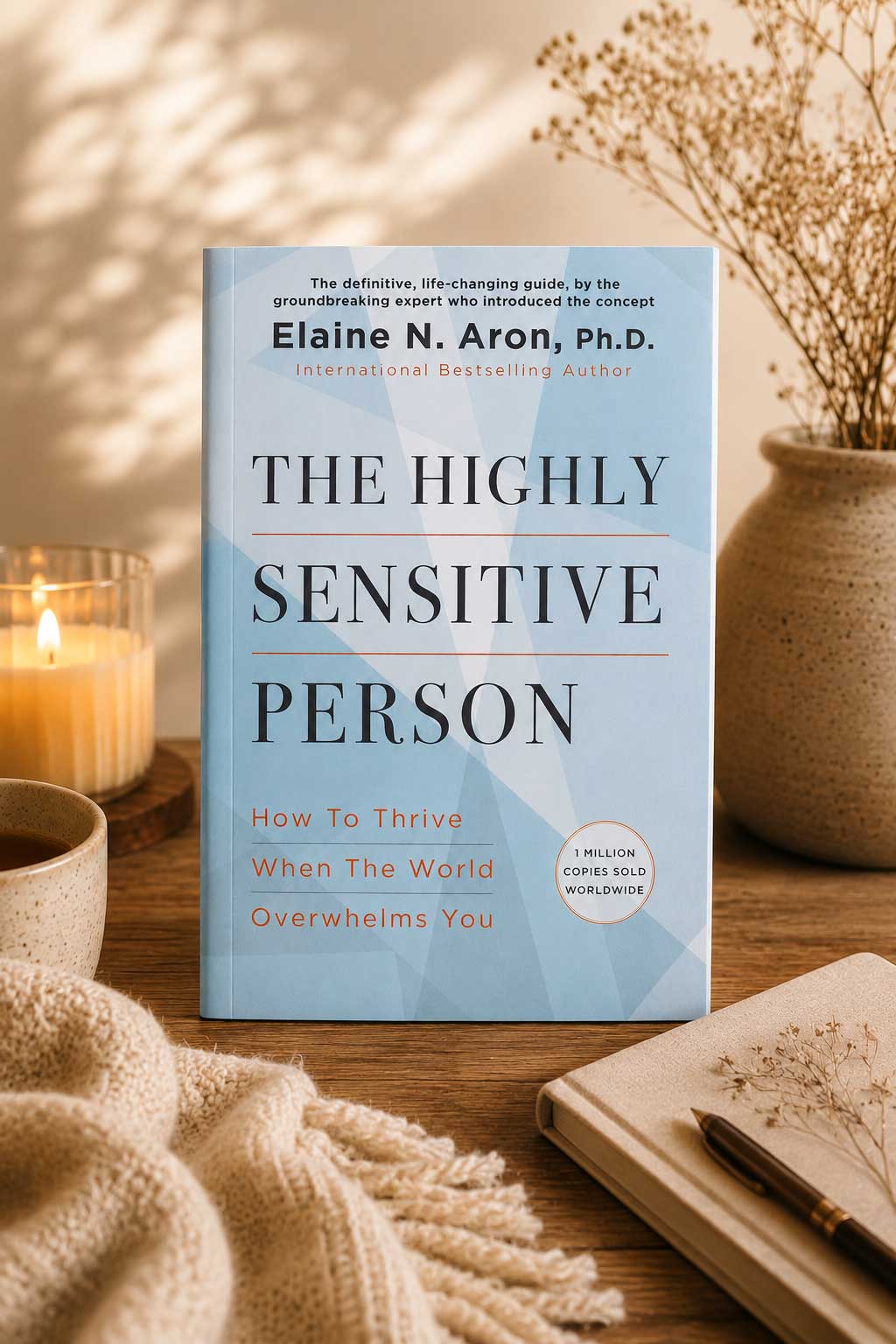
Compassionate Empathy: Connection With Action
Compassionate empathy combines emotional understanding with supportive action.
It is not only feeling for someone or understanding their pain intellectually. It is the impulse to respond with care, gentleness, protection, presence, or emotional support in a grounded way.
This type of empathy often feels safest because it allows emotional connection while still remaining anchored in intentional behavior rather than emotional overwhelm.
Compassionate empathy might look like:
- sitting quietly with someone during grief
- checking in consistently during hard seasons
- offering emotional reassurance without trying to fix everything
- helping someone feel emotionally seen without absorbing their entire pain
Many people confuse compassionate empathy with emotional overfunctioning, but they are not the same thing.
Overfunctioning comes from anxiety, hyperresponsibility, or fear of emotional disconnection. Compassionate empathy comes from grounded care.
People who grew up in emotionally unstable environments often struggle to tell the difference. They learned that love required emotional labor, emotional monitoring, or emotional self-erasure. Because of this, emotional closeness may feel tied to emotional exhaustion.
That is why healing often includes emotional boundaries so compassion can exist without emotional depletion.
Compassionate empathy also requires nervous-system regulation. Without regulation, emotionally sensitive people may become trapped in cycles of burnout where helping others slowly disconnects them from themselves.
Many people navigating chronic emotional overwhelm eventually recognize patterns connected to signs of intuitive empathy burnout especially when emotional care has become intertwined with identity and self-worth.
Grounded compassion often requires emotional recovery practices too. Emotional presence becomes much harder when the nervous system never truly rests. This is why emotionally sensitive people are often drawn toward somatic self-soothing practices that help the body release emotional accumulation rather than endlessly storing it.
Healthy compassionate empathy says: “I care about your pain.” Not: “Your pain must become mine.”
Empathy, Nervous Systems, and Emotional Safety
Not all empathy comes from the same emotional place.
Sometimes empathy grows from emotional maturity, connection, and compassion. Other times, what looks like empathy is actually hypervigilance.
People who grew up around emotional unpredictability often became experts at reading emotional shifts because emotional awareness once protected them from harm, rejection, criticism, or emotional instability. Their nervous systems learned to constantly monitor moods, tension, silence, disappointment, and emotional withdrawal.
In adulthood, this can look like heightened empathy. But internally, the body may still be operating from survival.
This is one reason emotionally sensitive people often struggle with chronic overwhelm. Their nervous systems are not only feeling emotions — they are continuously scanning for emotional danger.
Over time, this creates exhaustion that many people mistake for emotional weakness rather than nervous-system overload. Healing often begins when emotionally sensitive people stop judging themselves for their sensitivity and start understanding the relationship between empathy and regulation.
That understanding frequently deepens through nervous system regulation techniques because emotional safety cannot exist when the body remains stuck in constant alertness.
People who experience strong emotional empathy may also notice physical symptoms after emotionally intense interactions. Fatigue, headaches, heaviness, irritability, emotional numbness, or dissociation can all emerge when the nervous system becomes overloaded by prolonged emotional absorption.
In those moments, many emotionally sensitive people benefit from grounding boundaries for empaths so emotional connection stops feeling like emotional flooding.
There is also a profound difference between empathy and self-abandonment.
Some people become so focused on understanding everyone else that they stop asking themselves what they feel, need, or want. Emotional awareness becomes externalized rather than embodied. Eventually, this can create emotional confusion, resentment, exhaustion, or numbness.
Healing often requires reconnecting with emotional self-awareness and healing because empathy becomes healthiest when self-awareness remains present inside connection.
Empathy should expand emotional connection — not erase emotional identity.
Types of Empathy FAQ
What are the main types of empathy?
The three most commonly discussed forms are emotional empathy, cognitive empathy, and compassionate empathy. Emotional empathy involves feeling another person’s emotions internally. Cognitive empathy focuses on understanding another person’s emotional perspective without necessarily absorbing those feelings. Compassionate empathy combines understanding with grounded emotional support and care.
Can empathy become unhealthy?
Yes. Empathy becomes unhealthy when emotional connection turns into chronic emotional absorption, hyperresponsibility, burnout, or self-erasure. Many emotionally sensitive people eventually realize they have confused emotional closeness with emotional caretaking. Healing often includes emotional shielding without dissociation so emotional openness no longer requires emotional overwhelm.
Why do I feel other people’s emotions so strongly?
Strong emotional sensitivity can develop from temperament, emotional attunement, nervous-system sensitivity, or survival conditioning from emotionally unpredictable environments. Some people become highly emotionally perceptive because their nervous systems learned to constantly monitor emotional shifts for safety.
This often overlaps with emotional signatures of empath types where emotional sensitivity expresses itself differently depending on personality, nervous-system patterns, and relational experiences.
Is empathy the same thing as being an empath?
Not exactly. Empathy is a human emotional capacity, while empath identity usually describes people who experience heightened emotional sensitivity and absorption. Someone can have strong empathy without identifying as an empath. Likewise, empath experiences often involve nervous-system sensitivity and emotional permeability beyond ordinary emotional awareness.
How can I stay empathetic without becoming emotionally drained?
Healthy empathy requires boundaries, grounding, rest, emotional discernment, and nervous-system regulation. Compassion does not require emotional self-sacrifice. Many emotionally sensitive people eventually discover they need energetic self-care for empaths to remain emotionally open without carrying emotional overload everywhere they go.
Small emotional recovery practices matter too, especially during periods of chronic emotional stress. Gentle regulation tools connected to 5-minute grounding rituals can help emotionally sensitive people reconnect with stability after emotionally intense interactions.
Can empathy improve relationships?
Yes — when empathy exists alongside emotional boundaries and self-awareness. Healthy empathy helps people feel emotionally seen, respected, and emotionally safe. But relationships become unsustainable when empathy turns into overfunctioning, emotional rescuing, or emotional self-erasure.
This is why many people navigating emotionally intense relationships eventually recognize the importance of compassion fatigue checklist before emotional care begins turning into chronic depletion.
Conclusion
Empathy is often described as something soft, beautiful, and deeply human.
And it is.
But for many emotionally sensitive people, empathy has also felt exhausting, confusing, and emotionally consuming. It has felt like carrying emotional atmospheres no one else noticed. It has felt like sensing tension before words arrived. It has felt like caring so deeply about others that your own emotional reality slowly disappeared underneath theirs.
Understanding the different types of empathy can bring clarity to experiences that once felt overwhelming or difficult to explain.
You may realize that you naturally lean toward emotional empathy and absorb feelings intensely. You may notice that cognitive empathy helps you remain compassionate without emotional flooding. You may discover that compassionate empathy feels healthiest because it allows care without self-erasure.
Most importantly, you may begin understanding that healthy empathy is not measured by how much pain you can carry.
It is measured by your ability to remain emotionally present without abandoning yourself in the process.
Many emotionally sensitive people eventually begin healing through empath nervous system overwhelm recovery because empathy was never meant to keep the body trapped in chronic emotional overload.
Emotional connection becomes healthier when your nervous system feels safe enough to stay rooted in your own emotional experience while remaining open to someone else’s.
That balance matters.
Because empathy is not supposed to consume your identity.
It is supposed to deepen your humanity while still allowing you to remain fully connected to yourself.

Where softness, self-awareness, and emotional healing are allowed to coexist. Through reflective writing, grounding rituals, and intentional beauty, Sparrow Trades offers gentle support for sensitive souls learning to reconnect with themselves.