Introduction: When Your Inner Climate Shifts
There are seasons inside you that no calendar can predict.
Sometimes you wake up feeling like late autumn—reflective, slower, needing warmth and protection. Other times, you feel like early spring—tender, emerging, unsure if it’s safe to bloom. There are emotional summers filled with clarity and outward energy. And there are winters where everything in you wants quiet, boundaries, and deep rest.
Most of us were taught to choose jewelry by color, trend, or occasion. Rarely were we invited to notice what happens in the body before we clasp a bracelet around our wrist: the exhale that finally arrives, the shoulders dropping, the tiny flutter of “too much” when something feels loud on your skin. If you’ve ever put on a piece you used to love and suddenly felt irritated or exposed, you already know this truth—your nervous system participates in what you wear.
Choosing jewelry by emotional season is not about aesthetics first. It is about alignment. It is about noticing whether your body feels open or guarded, expansive or contracted, overstimulated or slow—and then allowing what you wear to support that state rather than override it.
This practice lives at the intersection of adornment and inner awareness. It reflects the deeper work of emotional wellness foundations where safety, self-trust, and emotional literacy become the baseline for every choice—even the small ones.
When you begin relating to jewelry this way, it stops being decorative and becomes relational. A necklace can feel like steadiness when you’re overwhelmed. A bracelet can feel like warmth when you’re grieving. A pendant can feel like courage when you’re reclaiming your voice. The point isn’t to “fix” your feelings. The point is to stop abandoning yourself in the moments you’re most tender.
This is not magical thinking. It is embodied symbolism—a practice deeply rooted in crystal healing where meaning, energy, and personal narrative intertwine.
If you’re not sure what season you’re in, you don’t have to guess. Try this quick check-in: When you imagine being seen today, does your body soften or tighten? When you imagine resting, does your body relax or panic? When you imagine speaking honestly, does your throat feel open or braced? Your answers don’t need to be “right.” They just need to be real. That kind of honesty is the doorway to learning to trust your emotions again.
The emotional season framework also invites you to understand that your inner climate shifts for reasons. Trauma history, stress load, relational dynamics, hormonal changes, life transitions—all of it affects your energetic state. Jewelry becomes a small daily way to say, “I’m listening.” Not because you’re fragile, but because you’re wise enough to stop forcing your system into performance mode.
When you stop asking, “What matches my outfit?” and start asking, “What supports my nervous system today?” something gentle changes. Jewelry becomes an anchor rather than a performance. It becomes a way to say: I am allowed to respond to my inner weather.
Emotional Winter: Protection, Rest, and Deep Containment
Emotional winter is not weakness. It’s the season when your system is conserving energy—sometimes by choice, sometimes because life has asked too much for too long.
In winter, you may feel more sensitive to noise, conflict, or overstimulation. You might crave solitude, lower light, fewer conversations. Your body may feel heavy or slow, like it’s trying to get you to stop pushing. For many people, winter follows relational stress, burnout, or experiences connected to gaslighting and trust erosion, where your sense of reality needed rebuilding. After a season like that, “being fine” can feel like a costume.
In winter, jewelry should not demand attention. It should create steadiness.
Choose pieces that feel like containment rather than amplification: grounding stones, darker tones, weightier materials, simple forms. A stone like the one explored in black tourmaline for grounding often feels like a quiet boundary—less “shine” and more “stay with yourself.” The right piece in winter almost disappears into you. It doesn’t pull you outward. It helps you come home.
This is also where grounding jewelry meaning becomes more than a concept. In a winter season, jewelry can function like a portable “safe place”—a tactile reminder on your wrist that you don’t have to take everything in.
If you notice yourself choosing jewelry that feels protective, trust that. There’s a reason protective jewelry meaning resonates so strongly when your emotional field feels porous. Winter often asks you to simplify: fewer pieces, steadier pieces, pieces that reduce decision fatigue.
A trauma-informed approach matters here. If your body associates certain metals, weights, or tight clasps with past stress, it’s okay to choose comfort over symbolism. The nervous-system sensitivity honored in trauma-informed crystal care applies to jewelry too: your body gets a vote.
Winter jewelry asks nothing from you. It doesn’t push you to shine. It supports your right to rest. And sometimes, choosing one steady piece is enough to tell your body: We are conserving energy right now.
Emotional Spring: Tender Emergence and Cautious Hope
Spring inside the body can feel fragile. Not because you’re weak—but because you’re coming back online.
There’s light, but it feels new. Your heart is reopening after hurt. You might be healing from healing after being emotionally invalidated, where your feelings were minimized until you started minimizing yourself. In spring, you’re learning the brave art of believing your own inner signals again.
This is not a season for armor. It is a season for gentleness.
Spring jewelry should feel breathable: soft pinks, pale blues, lighter stones, and shapes that don’t feel like a statement you have to maintain. Pieces connected to rose quartz healing often resonate here because they reflect warmth without intensity—like a hand on the heart that doesn’t demand anything.
Spring is also tied to voice. As you begin expressing yourself again, you may notice your throat tightening in moments that used to feel “normal.” Jewelry aligned with throat chakra self-expression rituals can support that tender re-entry into honesty—especially if your default is to swallow what you need.
In spring, it helps to keep choices small and kind. If you’re tempted to overhaul your entire jewelry style, pause. Spring isn’t about reinvention; it’s about gradual trust. Try choosing one piece that feels like permission. Wear it on the days you feel shaky. Let it be a gentle cue: I can move slowly and still be moving.
And if spring includes relational change—a new friendship, a new boundary, a new version of you—this is where an expansion like jewelry for life transitions can become part of your personal language. Spring is often a threshold. Jewelry can mark that crossing without forcing you to explain it to anyone.
Spring jewelry whispers instead of declares. It says: You are allowed to bloom at your own pace.
Emotional Summer: Expansion, Visibility, and Confidence
Emotional summer feels expansive. It’s the season where your energy turns outward and your system has enough resource to be expressive.
You might feel motivated, creative, more social. You may be stepping into new visibility, new relationships, or simply a calmer baseline that makes everything feel lighter. This is where jewelry can amplify rather than stabilize.
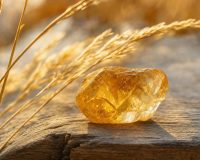
Summer jewelry can be brighter, bolder, more luminous—pieces that reflect your “yes.” Stones associated with warmth and forward movement often resonate here, including what’s explored in citrine stone benefits. Summer isn’t only about confidence; it’s about permission to take up space without flinching.
At the same time, summer isn’t always “easy.” Sometimes summer arrives after hard healing, and visibility can feel vulnerable. If you’re someone who has spent years shrinking, being seen can trigger the body even when you want it. That’s why it helps to notice what supports your capacity. Practices like nervous system regulation techniques can pair beautifully with summer jewelry—because expression is easier when your system feels safe.
This is also a season where choice becomes artistry. You may play with contrast: pairing a bright stone with a neutral outfit, stacking bracelets, choosing earrings that frame your face like a soft spotlight. If you’re deciding whether to harmonize or balance your energy, matching vs complementary jewelry meaning can help you choose intentionally without turning it into a performance.
Summer jewelry says: You are safe to be seen. And if you’re not fully there yet, that’s okay too. You can choose “summer-light” pieces that feel like practice—small brightness, gentle visibility, a shimmer that doesn’t overwhelm.
Emotional Autumn: Release, Reflection, and Integration
Autumn is the most introspective season. It often follows intensity—good intensity or hard intensity—and asks you to integrate what you’ve learned.
You may feel contemplative, reassessing patterns, preparing for change. You might notice you’re more selective: about people, about commitments, about what you let into your nervous system. Autumn often overlaps with seasonal nervous system transitions, where your inner state shifts before your external life does.
Autumn jewelry tends to feel earthy and balanced without heaviness. It supports reflection. It can be warm-toned, grounded, and quietly elegant—pieces that feel like “I know myself more now.”
This is where crystals by intention becomes especially useful as a felt practice, not a mental exercise. Autumn asks: What am I releasing? What am I keeping? What am I finally ready to stop carrying?
It’s also a season where understanding gemstone meanings can help you choose symbols that reflect transformation rather than protection. Autumn isn’t about bracing. It’s about letting go with respect.
If you like working with energetic language, you may also connect autumn choices to chakras and energy—not to overanalyze, but to notice what center wants support. In autumn, many people feel a gentle tug toward grounding and heart integration: staying present while releasing what’s ready to fall away.
Autumn jewelry holds both warmth and surrender. It does not rush you. It acknowledges that endings and beginnings coexist. It says: You are allowed to shed what no longer fits.
FAQ: Choosing Jewelry by Emotional Season
How do I know what emotional season I’m in?
Your body usually knows before your mind does. Notice your energy level, your sensitivity to stimulation, your desire for connection or solitude. If you feel contracted and protective, you may be in winter. If you feel tender but hopeful, it may be spring. Expansive and expressive often signals summer. Reflective and integrating often signals autumn. If you’re stuck, try asking: “What would feel supportive on my skin today—weight or lightness, softness or structure?” That answer is often more honest than your thoughts.
Can I be in more than one emotional season at once?
Yes. Emotional states are not linear. You might feel professionally in summer while relationally in winter. Jewelry can honor the most tender part of you without cancelling the strong part. Sometimes layering is the most honest option: one steady piece for containment, one lighter piece for hope. Think “both/and,” not “either/or.”
Should I change jewelry every time my mood changes?
Not every mood shift requires a change. Emotional seasons last longer than momentary feelings. Think in patterns rather than fluctuations. If your system has felt overstimulated for weeks, that signals winter more than a single anxious afternoon. Consistency can be regulating, too—especially if a particular piece has become a safe cue for your body.
What if I don’t believe in energy but still feel drawn to certain stones?
You don’t need metaphysical belief for this practice to work. Symbolism influences perception, posture, and behavior. Wearing something that represents steadiness or softness can shift how you move through your day. This can be as simple as choosing a piece that makes you breathe deeper the moment you put it on.
How does this practice help with emotional healing?
Choosing jewelry intentionally reinforces self-trust. It’s a small daily act of attunement: “What do I need?” and “What supports me?” When you stop overriding yourself, you build safety from the inside out. Over time, these small choices teach your system that your feelings are allowed to guide you.
Is there a right or wrong choice?
No. Emotional seasons are personal. The only misalignment happens when you override your body to meet external expectations. If a piece feels calming, grounding, or strengthening, that is enough. Your body is the compass.
Conclusion: Let What You Wear Reflect Where You Are
Choosing jewelry by emotional season is not about reinvention. It’s about permission.
Permission to be in winter without apologizing. Permission to bloom slowly in spring. Permission to shine in summer. Permission to release in autumn.
When jewelry aligns with your inner climate, it stops being decorative and becomes relational. It becomes a daily reminder that your emotional shifts are valid and cyclical—not failures to be fixed. You do not have to perform stability. You can honor change.
If you want a simple place to begin, start with one question before you reach for your usual piece: “Do I want support or expression today?” Support might mean steadiness, containment, comfort. Expression might mean brightness, visibility, movement. Both are allowed. Both are wise in the right season.
And when you’re ready to explore, you don’t have to do it perfectly. You can simply visit the pieces that call to you inside the broader world of jewelry and let your body choose what feels like home.
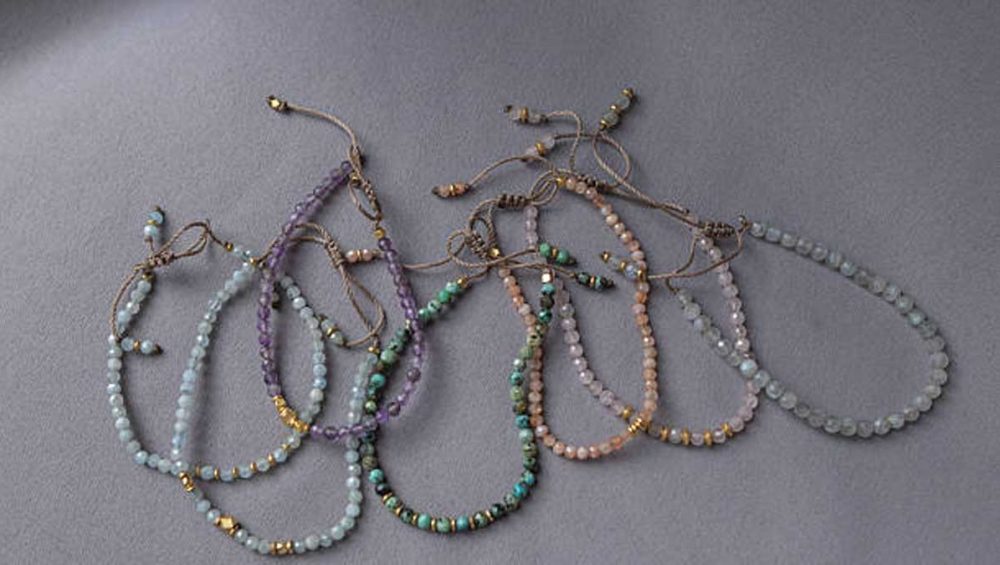
In a world that constantly asks you to override your nervous system, even something as simple as a bracelet can say: I am listening to my inner season.
Where softness, self-awareness, and emotional healing are allowed to coexist. Through reflective writing, grounding rituals, and intentional beauty, Sparrow Trades offers gentle support for sensitive souls learning to reconnect with themselves.