
There are moments when your body knows something long before you can name it. A tightening in the throat when you’re about to say something true. A pressure behind the eyes when insight keeps returning, not loudly, but insistently. A quiet fatigue that comes from carrying clarity without expression. These experiences can feel personal and private, yet they’re also patterned—signals your inner system uses to communicate safety, truth, and readiness.
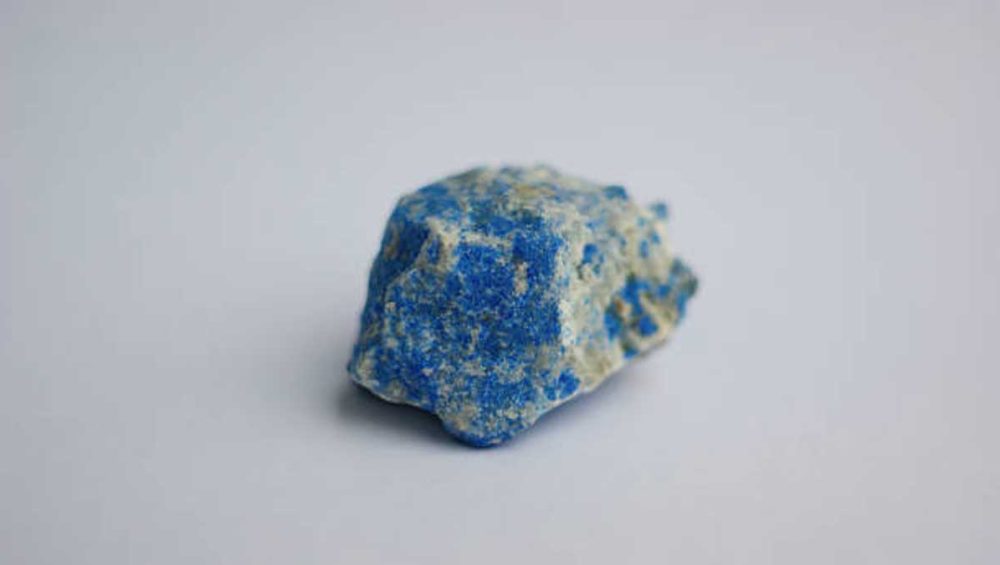
Lapis lazuli has been associated with wisdom and inner authority for thousands of years, but its pull today is often less about history and more about timing. People reach for lapis when they’re tired of negotiating with themselves—when they’re done second-guessing what they feel, when they’re done swallowing words to keep the peace, when they’re ready to hear their own inner voice without immediately dismissing it. Exploring lapis lazuli chakras is not just about “which energy centers it activates.” It’s about discovering why certain truths live in the body first, and why your system might have learned that silence was safer than expression.
In trauma-informed work, it matters that we don’t treat energetic practices as fixes. Your nervous system isn’t a problem to solve; it’s a protector with a memory. The goal isn’t to force your voice open or push intuition harder. The goal is to create conditions where truth feels safe to arise. That’s where understanding what are chakras becomes deeply practical: not as a chart, but as a language for how safety, expression, and perception live in you.
Lapis lazuli is most commonly linked with the throat chakra and the third eye chakra. Together, these centers create a bridge between inner knowing and outward expression. When the bridge is weak, you may feel the split: you know what’s true, but speaking feels risky; you sense something, but doubt arrives faster than trust. When the bridge strengthens, something gentler happens. You don’t become louder—you become clearer. You stop arguing with your own experience.
This article is written to protect emotional continuity. We’ll stay grounded in lived experience, and we’ll let the body lead. Through a trauma-aware lens of chakra crystal healing, we’ll explore how lapis lazuli supports alignment in ways that respect pacing, boundaries, and nervous-system capacity—because safety is not a side note in spiritual work. It’s the foundation that makes truth sustainable.
Lapis Lazuli and the Throat Chakra: Reclaiming Voice Without Force
The throat chakra is often described as the center of communication, but that can sound too clean and simple. In real life, the throat holds much more than words. It holds everything you didn’t say when saying it felt unsafe. It holds the tone you learned to adopt to avoid conflict. It holds the way your body tightens when your truth might disappoint someone. When this center is supported, communication feels like presence. When it’s strained, even small honesty can feel like a threat.
Many people with throat tension aren’t “bad at speaking.” They’re highly skilled at protecting connection. They learned—through experience—that speaking could lead to withdrawal, ridicule, punishment, or emotional chaos. So the system adapted. It narrowed expression. It made silence feel like control. That’s not weakness. That’s intelligence.
Working with lapis lazuli for throat chakra can be supportive precisely because it doesn’t demand performance. The energy of lapis tends to invite steadiness rather than urgency. It can help you notice the moment before you abandon yourself—when you’re about to soften your truth to keep someone comfortable. It can help you feel the difference between “I’m staying quiet because I’m grounded” and “I’m staying quiet because I’m scared.”
One of the most nervous-system-friendly shifts lapis supports is this: you don’t have to speak everything, but you do have to stay connected to yourself. Unspoken truth doesn’t vanish. Often, it turns inward as tension, fatigue, or a low hum of self-doubt. Over time, that internal pressure can make you feel like you’re losing your voice, when really you’re conserving it.
Lapis lazuli is often called the stone of truth for a reason that isn’t dramatic. It doesn’t push you into confrontation. It supports inner honesty first—so that when you choose to speak, you’re speaking from coherence rather than reaction. In trauma-informed terms, lapis supports expression that is paced, boundaried, and regulated—truth that doesn’t cost you your sense of safety.
Lapis Lazuli and the Third Eye Chakra: Trusting Inner Knowing Again
The third eye chakra governs intuition, perception, and meaning-making. It’s where you sense what’s real before you can explain it. When this center is supported, insight feels steady. When it’s strained, you might experience fog, overwhelm, or a pattern of doubting yourself even when you’re right.
A lot of intuition “blocks” aren’t spiritual failures. They’re relational injuries. If you were repeatedly told you were overreacting, imagining things, being too sensitive, or misreading reality, your system learned that trusting yourself could cost you connection. So you adapted by outsourcing certainty. You began looking outward for permission to believe your own experience.
This is where lapis can feel like a homecoming. It supports clarity that arrives quietly—without flooding you. It’s less “psychic activation,” more “inner steadiness.” Paired with practices like lapis lazuli meditation techniques, many people notice that intuition becomes less dramatic and more dependable. Instead of pushing for answers, you become available for insight. Instead of chasing certainty, you begin listening for coherence.
Lapis also supports integration. Insight without grounding can feel destabilizing, especially for sensitive nervous systems. That’s why nervous-system anchors matter alongside spiritual practices. If clarity spikes anxiety, it’s not a sign you’re “doing it wrong.” It’s a sign your body wants pacing.
When you’re rebuilding trust in your inner signals, support tools like nervous system regulation techniques can keep intuition from turning into overwhelm. Even a gentle practice like breathwork 101 can help your system stay open to insight without bracing against it. Over time, lapis becomes less about “seeing more” and more about believing what you already know—without abandoning yourself in the process.
When Throat and Third Eye Align: The Bridge Between Knowing and Speaking
There’s a particular kind of pain that comes from knowing something and not living as if you know it. You can sense what’s true, but you edit yourself. You can feel what’s real, but you override it. That split isn’t just mental—it’s energetic. It shows up as tension, exhaustion, irritability, and a subtle grief that you can’t quite name.
Lapis lazuli’s unique strength is that it supports both the third eye and the throat—helping inner clarity find a pathway outward, and helping expression stay anchored in truth rather than urgency. When these centers work together, you don’t become blunt; you become congruent. You stop leaking energy through over-explaining. You stop shrinking your truth to keep others comfortable. You stop needing to be “certain enough” to speak.
This alignment is not about speaking more. It’s about abandoning yourself less. Many people rebuilding emotional coherence find that learning to trust your emotions again is the turning point—because it reconnects feeling with meaning. When you trust your emotional signals, you don’t need to argue with them. You can honor them as information, not as something to fix or justify.
And when you begin speaking from that place, boundaries become cleaner. You don’t have to defend your truth endlessly because your body is already aligned with it. If you’re learning to express without guilt, support like how to set emotional boundaries without feeling guilty can help you stay kind without collapsing. The throat and third eye together create a new kind of safety: the safety of being consistent with yourself.
In real life, alignment looks like this: you pause before you agree. You feel the “no” in your body before you explain it. You choose words that match your inner reality, not words designed to manage someone else’s reaction. Lapis supports that shift—quietly, steadily, without demanding a performance.
Using Lapis Lazuli with Intention: Gentle Practices That Protect Readability and Safety
Working with lapis lazuli doesn’t need to be elaborate. In fact, for many people, “too much technique” can trigger performance pressure—the same pressure that made truth feel unsafe in the first place. Lapis responds well to simplicity, consistency, and sincerity.
If language is your doorway, lapis lazuli affirmations can support truth that feels grounded rather than forced. The goal isn’t to convince yourself of something you don’t believe. The goal is to offer your nervous system a steady message it can begin to trust. If silence is your doorway, lapis can simply be present—on a desk, near a journal, beside a bed—without any requirement to “do” anything with it.
Jewelry can be especially supportive for chakra work because it offers consistent contact without demanding attention. Pieces aligned with lapis lazuli jewelry and third eye chakra themes often feel subtly stabilizing—like a quiet reminder that your inner knowing matters. If you’re choosing something wearable, exploring lapis lazuli jewelry can help you find pieces that fit your daily life, not just your spiritual life.
Some people also find that adding supportive practices reduces the “activation” feeling. If you notice tension rising as you explore truth, pairing lapis with steadier practices like crystals for meditation can create a softer container. The point isn’t to intensify energy; it’s to support coherence.
And if you’re doing this work in the context of healing—especially relational healing—it helps to anchor your practice in emotional wellness foundations so spiritual work doesn’t become a bypass. Lapis is at its best when it supports embodiment: truth that is felt, paced, and lived, not just understood.
Frequently Asked Questions About Lapis Lazuli Chakras
Which chakras does lapis lazuli support most?
Lapis lazuli most strongly supports the throat chakra and the third eye chakra, helping connect inner clarity with authentic expression.
Can lapis lazuli help if my throat tightens when I try to speak?
It can be supportive, especially when tightness is tied to safety and past consequences. Lapis tends to invite steadiness rather than pressure, making it a gentle ally for expression.
What if lapis lazuli makes me feel “too aware” or emotionally stirred?
That can be a pacing signal. Pairing lapis work with regulation practices and gentler routines can help your nervous system stay open without becoming overwhelmed.
Do I have to meditate to work with lapis lazuli chakras?
No. Many people benefit from simply wearing lapis, holding it during quiet reflection, or keeping it nearby while journaling or resting.
Is lapis lazuli better for truth-telling or intuition?
It can support both, because it bridges the third eye and throat. Many people notice that intuition feels clearer and expression feels more honest when these centers feel connected.
What’s a gentle next step if I want to go deeper?
If you want more depth, exploring simple third eye and throat-focused practices can help you build consistency without force, especially when you move at a pace your body can trust.
Conclusion
Lapis lazuli doesn’t promise a new personality or a louder voice. It offers something quieter and, for many people, more transformative: the permission to stay connected to your truth without bracing for consequence.
By supporting both the throat and the third eye, lapis strengthens the bridge between what you know and what you’re willing to honor. Over time, that can look like clearer boundaries, steadier intuition, and communication that feels less like a negotiation and more like a reflection of reality.
This work is not about forcing expression or chasing certainty. It’s about building safety—inside your own system—so that truth becomes sustainable. When you move slowly, with nervous-system awareness, lapis becomes less like a tool and more like a companion: a steady reminder that your inner knowing matters, and that your voice doesn’t need to earn the right to exist.
If you’re ready to expand gently, the next steps can be specific without being overwhelming—like third eye chakra activation practices that prioritize steadiness, or throat chakra self-expression rituals that protect safety while rebuilding voice. And if your history includes long periods of silence, reclaiming your voice after emotional suppression can hold the deeper story with the gentleness it deserves.

Where softness, self-awareness, and emotional healing are allowed to coexist. Through reflective writing, grounding rituals, and intentional beauty, Sparrow Trades offers gentle support for sensitive souls learning to reconnect with themselves.