
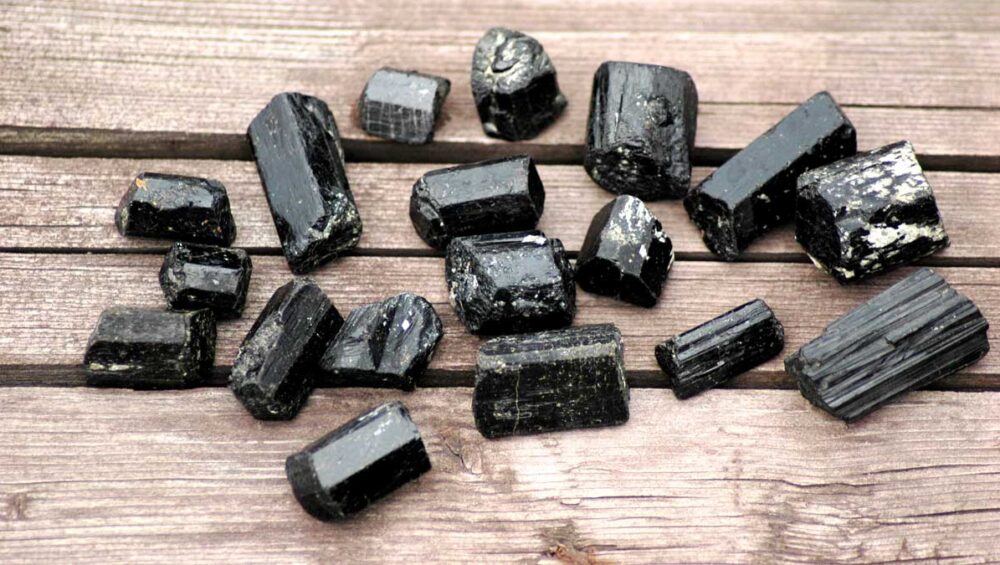
There are moments when grounding isn’t about calming down — it’s about coming back into your body without feeling overwhelmed. For many people navigating anxiety, emotional sensitivity, trauma recovery, or empathic overload, “just relax” techniques can feel inaccessible or even unsafe. This is where black tourmaline grounding offers something different: not elevation, not expansion, but containment.
Black tourmaline is often described as a protective stone, but that word can feel abstract until you understand what protection actually means in the nervous system. Protection isn’t about blocking the world out. It’s about creating enough internal stability that your body doesn’t stay in a constant state of alert. It’s about knowing where you end and everything else begins.
If you’ve ever felt emotionally porous — absorbing moods, tension, or expectations from others — grounding can feel elusive. You might intellectually understand grounding practices but struggle to feel anchored when emotions spike. Black tourmaline grounding works precisely because it doesn’t ask you to transcend your experience. It meets you where you are, especially in moments when safety feels fragile. If you want a gentle baseline definition first, start with a clear explanation of grounding and come back here when the concept feels clearer.
This stone has a dense, weighty presence that mirrors what the body often needs during stress: pressure, containment, and a sense of being held. People are often drawn to black tourmaline during periods of emotional exhaustion, hypervigilance, or identity rebuilding after prolonged relational strain. It’s not flashy. It doesn’t amplify emotions. Instead, it supports down-regulation, helping the nervous system settle without force. If you’re also building a broader regulation toolkit, it can help to pair this with supportive nervous system regulation techniques.
Grounding with black tourmaline isn’t about belief. It’s about relationship — how you interact with objects, rituals, and sensations that signal safety to your body. Trauma-informed grounding prioritizes choice, pacing, and bodily feedback. When used intentionally, black tourmaline can become a tactile anchor: something you can hold, wear, or place nearby when you need a reminder that you are here, supported, and not in danger. If you want an emotional lens on this process, a framework for emotional grounding can offer language for what your body is trying to accomplish.
This article explores how to use black tourmaline grounding in ways that are emotionally attuned and practical. You’ll learn how it supports nervous system regulation, how to work with it safely, and how to integrate it into daily life — especially if grounding has felt difficult or inconsistent in the past. If you’re mapping this into a wider stone-based approach, guides to crystals for grounding can help you compare options without losing the unique role tourmaline plays.
What Black Tourmaline Grounding Actually Supports
Grounding is often misunderstood as a purely mental exercise — something you do by thinking calm thoughts or visualizing roots. But grounding is primarily a sensory and physiological experience. It happens when your body receives cues that it is safe enough to settle.
Black tourmaline grounding works because the stone’s physical qualities mirror grounding needs. It is heavy, opaque, and solid. When you hold or wear black tourmaline, the sensation itself can provide a subtle form of proprioceptive feedback — similar to the calming effect of weighted blankets or firm pressure.
Emotionally, black tourmaline is often associated with boundary reinforcement. Many people who seek grounding support struggle with emotional permeability: feeling other people’s stress, anticipating conflict, or remaining hyper-attuned to external cues. This isn’t a flaw — it’s often an adaptation developed in unsafe or unpredictable environments.
Black tourmaline doesn’t “block” emotions. Instead, it supports energetic differentiation — the ability to recognize what belongs to you and what doesn’t. This distinction can reduce emotional flooding and prevent spirals that occur when external stress is internalized.
On a nervous system level, grounding with black tourmaline can complement somatic practices. When paired with slow breathing, touch, or stillness, the stone becomes a consistent reference point. Over time, your body may begin to associate its presence with safety and stability. For a simple definition hub that explains the stone itself, learn more about black tourmaline.
Importantly, grounding is not about suppressing emotions. It’s about creating enough steadiness to feel them without becoming overwhelmed. Black tourmaline grounding is especially supportive during moments of transition, emotional processing, or boundary-setting, when the nervous system may feel exposed. If you’re comparing tourmaline to other stones in the same category, resources on best grounding gemstones can help you find the right fit for your specific needs.
Trauma-Informed Ways to Ground With Black Tourmaline
Trauma-informed grounding prioritizes consent, predictability, and choice. If grounding has ever made you feel dissociated, panicked, or numb, it’s important to approach black tourmaline grounding gently and without rigid expectations.
One simple practice is anchored holding. Sit comfortably and place black tourmaline in your non-dominant hand or against your lower body — your lap, pelvis, or feet. Rather than focusing on visualization, notice physical sensations: temperature, weight, texture. If your mind wanders, gently return attention to what you can feel.
Another option is environmental grounding. Place black tourmaline near entry points of your home, on your desk, or beside your bed. You don’t need to interact with it constantly. Its role is to act as a stabilizing presence, especially in spaces where emotional labor or stress tends to accumulate.
For those who struggle with internal focus, movement-based grounding can be effective. Carry black tourmaline in your pocket while walking, stretching, or doing slow chores. Let grounding happen through rhythm and motion rather than stillness. If you want a structured way to make crystal-based routines repeatable without pushing yourself, guidance on grounding with crystals daily practices can help.
Wearing black tourmaline jewelry can also support grounding throughout the day. For trauma-sensitive individuals, wearable grounding offers continuity — a way to stay anchored without needing to pause or retreat.
The key is to let grounding be responsive, not prescriptive. If a practice increases tension, adjust or stop. Grounding should feel supportive, not effortful. Black tourmaline is a tool, not a requirement. Its effectiveness comes from how it integrates into your lived experience. For a trauma-specific expansion that stays practical and paced, grounding tools for trauma recovery would be a natural next article to build.
Daily Black Tourmaline Grounding Rituals That Don’t Overwhelm
Consistency matters more than intensity when it comes to grounding. Short, repeatable rituals help the nervous system build trust over time.
A morning grounding check-in might involve holding black tourmaline while taking three slow breaths before starting your day. Ask yourself one gentle question: What do I need to feel steady today? No analysis required — just notice what arises.
During emotionally charged moments, use black tourmaline for interruptive grounding. Touch the stone, press your feet into the floor, and name one physical sensation you can feel. This can help shift your system out of reactive loops.
In the evening, black tourmaline grounding can support decompression. Place the stone near your body while journaling, stretching, or resting. Let it signal the transition from vigilance to rest.
For highly sensitive or empathic individuals, grounding rituals can be paired with intentional boundary setting. Before engaging socially or emotionally, briefly connect with black tourmaline and affirm: I can stay present without absorbing everything.
Over time, these micro-rituals reinforce a sense of agency. Grounding becomes something you choose, not something you scramble for when overwhelmed. If you want to deepen this with earth-based symbolism and sensory cues, exploring grounding with earth is an easy next step. If earth access is limited, alternatives like grounding with water and grounding with air and breath still support regulation.
If your baseline state is constant alertness, a dedicated guide on grounding for hypervigilance would help you tailor rituals to a nervous system that doesn’t easily “power down.” For days when you need steadiness without intensity, grounding rituals for emotional safety would be a natural expansion that keeps the practices small and supportive.
Cleansing, Safety, and Emotional Boundaries
Black tourmaline is often considered a self-clearing stone, but regular cleansing can help maintain your relationship with it — especially if you use it during emotionally intense moments.
Cleansing doesn’t need to be elaborate. Gentle methods like placing the stone on earth, near plants, or beside other grounding materials can be sufficient. Avoid harsh cleansing techniques if you’re emotionally sensitive; simplicity supports safety. For a clear, step-by-step reference, how to cleanse black tourmaline can guide your care without turning it into a chore.
From an emotional standpoint, it’s important to remember that black tourmaline grounding is not a substitute for boundaries, rest, or support. It complements these practices — it doesn’t replace them. Some people also explore black tourmaline for EMF protection, but emotional regulation should remain the priority.
If you notice yourself relying on grounding tools to tolerate harmful situations, pause and reassess. Grounding should support healing, not enable self-abandonment. If you need a boundary-specific expansion designed for sensitive people, grounding boundaries for empaths would be a future article that helps distinguish grounding from over-accommodation.
Used wisely, black tourmaline grounding strengthens your capacity to stay present while honoring your limits. For a practical baseline on keeping practices safe and tolerable, the grounding safety guide can help you pace your work.
Black Tourmaline Grounding FAQs
Is black tourmaline good for grounding anxiety?
Yes. Black tourmaline grounding supports anxiety by offering physical and sensory cues of safety. Its weight and density can help calm hyperarousal without forcing relaxation. For a broader comparison of stones that support anxious states, grounding stones for anxiety relief would be a helpful future guide.
How do I ground with black tourmaline if I dissociate easily?
Use external grounding rather than internal visualization. Focus on touch, weight, or placement in your environment. Short interactions are often more effective than prolonged practices.
Can I sleep with black tourmaline?
Some people find it supportive near the bed, while others find it too stimulating. Start by placing it nearby rather than under your pillow and notice how your body responds.
Does black tourmaline protect from negative energy?
Rather than “blocking,” black tourmaline grounding helps reinforce energetic boundaries, making it easier to stay centered and less reactive to external stress.
How often should I use black tourmaline grounding?
As often as it feels supportive. Daily brief interactions are more beneficial than occasional intense sessions.
What if grounding feels uncomfortable at first?
Discomfort can signal that your nervous system needs pacing. Reduce duration, switch to movement-based grounding, or take breaks. Safety comes first.
Conclusion
Black tourmaline grounding isn’t about becoming unshakeable. It’s about learning how to return to yourself when the world feels too loud, too fast, or too demanding. For those who’ve spent years in survival mode, grounding can feel unfamiliar — even threatening. Black tourmaline offers a steady, non-intrusive way to rebuild that connection.
Grounding is a relationship, not a technique. Over time, black tourmaline can become a trusted companion during moments of stress, transition, or emotional processing. Its value lies not in symbolism alone, but in the consistency and intention you bring to working with it.
As you integrate black tourmaline grounding into your life, let it be adaptable. Some days grounding may look like stillness; other days it may look like movement, boundaries, or rest. All of these count.
Ultimately, grounding is about reclaiming your right to feel safe in your own body. Black tourmaline doesn’t do that for you — but it can support you as you learn how. For a future-focused expansion that supports recovery moments, grounding after emotional overload would be the most natural next article to develop.

Where softness, self-awareness, and emotional healing are allowed to coexist. Through reflective writing, grounding rituals, and intentional beauty, Sparrow Trades offers gentle support for sensitive souls learning to reconnect with themselves.