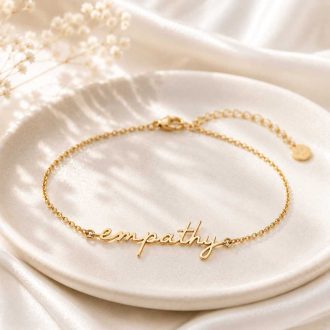

Empathy Burnout: Signs, Causes, and How to Recover
Introduction: When Caring Starts to Cost You
Empathy is often described as a gift — the ability to feel with others, to sense emotional undercurrents, to show up with care and understanding when someone else is hurting. But what happens when that gift quietly turns into a burden? When your capacity to care feels drained, your body feels heavy, and even small emotional interactions leave you exhausted?
This is where empathy burnout lives.
Empathy burnout isn’t about lacking compassion. It’s not about becoming cold, selfish, or uncaring. In fact, it tends to affect the people who care the most — the ones who listen deeply, hold space endlessly, and instinctively prioritize others’ emotional needs over their own. Over time, that constant emotional output can overwhelm the nervous system, leaving you depleted, numb, irritable, or disconnected from yourself.
Many people begin to notice empathy burnout after realizing that what once felt like emotional attunement now feels like emotional exhaustion. When empathy turns into a constant drain rather than a shared exchange, it often mirrors the patterns explored in when empathy becomes emotional exhaustion.
Unlike stress that comes from overworking or external pressure, empathy burnout is quieter. It creeps in through emotional labor, unspoken expectations, and the subtle belief that you’re responsible for how others feel. You may still function — showing up for work, relationships, and responsibilities — but internally, something feels off. You’re tired in a way rest doesn’t fix. You feel emotionally “full” yet oddly empty at the same time.
This pattern is especially common among empaths and emotionally sensitive people, particularly those who have experienced long-term emotional overexposure or learned early on to stay hyper-aware of others’ needs. For many, this sensitivity is tied to what it means to be an empath, even if they’ve never consciously identified with the label. Over time, that sensitivity can lead to what many later recognize as signs of intuitive empathy burnout — even if they don’t yet have language for it.
Empathy burnout isn’t a personal failure. It’s a nervous system response to prolonged emotional overextension. And it’s reversible.
What Is Empathy Burnout? (And What It’s Not)
Empathy burnout occurs when your emotional system becomes overloaded from prolonged empathic engagement without adequate recovery, boundaries, or regulation. It’s what happens when your capacity to feel and respond to others’ emotions exceeds your system’s ability to process and release them.
At its core, empathy burnout is not a lack of empathy — it’s the overuse of it.
When you’re empathic, your nervous system often mirrors or absorbs the emotional states of those around you. Over time, especially without intentional grounding or boundaries, this can create chronic activation: heightened vigilance, emotional fatigue, and internal pressure to “hold it together” for others. Eventually, the system hits a limit.
Empathy burnout is often confused with related experiences, but there are important distinctions. Compassion fatigue tends to be tied to repeated exposure to others’ trauma, while emotional exhaustion can come from many sources. Empathy burnout is specifically rooted in prolonged emotional attunement — feeling too much, too often, without recovery — and can be clarified using a compassion fatigue checklist.
People experiencing empathy burnout may notice they feel emotionally flat one moment and overwhelmed the next. They may withdraw from conversations they once enjoyed, feel guilty for needing space, or struggle to access their own emotions because they’re so used to tracking everyone else’s.
The problem isn’t empathy itself. The problem is empathy without containment. Healing doesn’t mean becoming less caring — it means learning how to care without self-erasure.
Signs of Empathy Burnout You Might Be Ignoring
Empathy burnout doesn’t usually announce itself loudly. There’s no clear breaking point or dramatic collapse. Instead, it shows up in small, accumulating ways that are easy to dismiss — especially if you’re used to pushing through discomfort or prioritizing others.
One of the most common signs is emotional fatigue that feels different from normal tiredness. You might notice that conversations feel heavier than they used to, even neutral ones. Listening to someone vent, watching the news, or sensing tension in a room can leave you feeling drained for hours afterward. When your system doesn’t fully downshift afterward, it can look a lot like empath nervous system overwhelm recovery.
Another subtle sign is irritability paired with guilt. You may feel more easily annoyed, snappy, or withdrawn, then immediately criticize yourself for it. Many people experiencing empathy burnout think, “I shouldn’t feel this way — others have it worse.” That internal invalidation keeps the cycle going.
You might also notice emotional numbing. This doesn’t mean you stop caring; it means your nervous system is trying to protect you. Joy feels muted. Empathy feels mechanical. You go through the motions of caring without feeling truly present — and that can be frightening if you’ve always identified as someone who feels deeply.
Physically, empathy burnout often shows up as tightness in the chest or throat, shallow breathing, headaches, jaw tension, or a constant low-level sense of alertness. These are signs of a system that needs support through nervous system regulation techniques.
Perhaps the most overlooked sign is avoidance. You may start pulling away from people you care about, not because you don’t love them, but because your system can’t handle more emotional input. Social withdrawal becomes a form of self-preservation — even if you don’t fully understand it yet.
Recognizing these signs isn’t about labeling yourself as broken. It’s about listening to what your body and emotions have been trying to communicate all along.
Why Empathy Burnout Happens (Especially to Empaths)
Empathy burnout doesn’t come from caring “too much” in isolation. It develops when empathy is paired with chronic emotional responsibility — the feeling that it’s your job to regulate, soothe, anticipate, or absorb the emotional states of others.
For many empaths, this pattern starts early. If you grew up in an environment where emotions were unpredictable, overwhelming, or unsafe, empathy may have become a survival skill. You learned to read the room, notice subtle shifts, and adjust yourself accordingly. Over time, empathy becomes not just a trait, but a role — and roles are exhausting when they’re compulsory.
One major driver of empathy burnout is blurred emotional separation: you carry what isn’t yours. If you’ve ever walked away from someone else’s stress and felt it in your body for hours, you’re not imagining it — you’re experiencing a pattern addressed directly in how to stop absorbing other people's emotions.
Another driver is a nervous system that stays activated without recovery. When empathy is constantly engaged, your body can remain in low-level threat mode — and eventually, it protects itself through shutdown, irritability, numbness, or withdrawal.
How to Begin Recovering from Empathy Burnout
Recovery from empathy burnout doesn’t start with doing more. It starts with allowing less — less emotional overextension, less self-abandonment, and less pressure to be everything for everyone.
The first step is permission. Permission to rest without justification. Permission to take space without explaining yourself. Permission to notice your limits without treating them like weakness.
Next comes reconnecting with your body. Empathy burnout pulls you out of yourself and into everyone else. Practices like somatic self-soothing practices can help you return to sensation, safety, and presence — especially when you feel flooded or emotionally full.
Learning boundaries is essential too. Boundaries aren’t walls — they’re filters that allow connection without absorption. If boundaries trigger guilt for you, it helps to reframe them through how to set emotional boundaries without feeling guilty.
When your body needs quick regulation, breath and gentle vagal stimulation can help you downshift. You can start with breathwork 101 and add supportive practices like vagus nerve exercises.
Finally, recovery involves rebuilding emotional self-trust — the ability to recognize what you feel and honor what you need. Tools like the emotional self-trust tracker can support that reconnection, alongside deeper guidance from learning to trust your emotions again.
You don’t have to shut down your sensitivity to heal. You just need to learn how to contain it, so your empathy flows from a grounded place rather than a depleted one.
Empathy Burnout FAQ: Answers for When You Feel Emotionally Drained
If you’re realizing you might be dealing with empathy burnout, it’s normal to have questions — especially if you’ve spent years being “the strong one,” “the listener,” or the emotional anchor. These answers are here to help you name what’s happening and move toward recovery with less shame and more clarity.
Can empathy burnout happen in close relationships?
Yes. Empathy burnout often shows up most strongly in close relationships because emotional responsibility is easier to slip into when you care deeply. If you’re constantly monitoring a partner’s mood, trying to prevent their discomfort, or feeling responsible for how they feel, your nervous system can exhaust itself over time.
How is empathy burnout different from compassion fatigue?
They can overlap, but they’re not the same. Compassion fatigue is commonly linked to caregiving roles and repeated exposure to others’ trauma. Empathy burnout is more about prolonged emotional attunement and absorption — feeling too much, too often, without enough separation or recovery. A practical way to clarify the difference is using a compassion fatigue checklist.
How long does it take to recover from empathy burnout?
There’s no universal timeline. Some people feel relief within weeks once they set boundaries and support their nervous system. For others, especially if empathic over-functioning has been present for years, recovery can be gradual. Consistent daily practices matter more than speed, including reflective support like journaling for nervous system safety and simple awareness-building through daily emotional check-in prompts.
Does empathy burnout mean I need to become less empathetic?
No. Empathy isn’t the problem — empathy without containment is. You don’t need to become colder to heal. You need boundaries, regulation, and self-trust so you can stay compassionate without absorbing what isn’t yours.
Why do I feel guilty when I try to take emotional space?
Guilt is common when empathy has been tied to safety, approval, or worth. Your nervous system may interpret distance as rejection or danger, especially if you learned early that being emotionally available kept the peace. The guilt doesn’t mean you’re doing something wrong — it often means you’re changing an old pattern.
Can empathy burnout cause emotional numbness?
Yes. Emotional numbness can be a protective response when your system is overloaded. It doesn’t mean you’ve lost your ability to feel — it means your nervous system is trying to reduce input so it can survive. As you restore safety, rest, and boundaries, emotional responsiveness often returns naturally.
Conclusion: You Don’t Have to Lose Yourself to Be Kind
Empathy burnout isn’t a failure of compassion — it’s a signal that your system has been giving more than it can sustainably hold. If you’re experiencing it, nothing has gone wrong with you. Your body and emotions are communicating the need for change.
Healing empathy burnout is often quiet: the moment you pause before absorbing someone else’s feelings, the moment you choose rest without justification, the moment you stop over-explaining and start listening inward. Over time, those moments rebuild trust between you and yourself.
You don’t need to shut down your heart to survive. You don’t need to harden to be safe. You simply need support, containment, and permission to include yourself in the care you so freely give. When empathy is held by boundaries and nervous system safety, caring becomes nourishing again — not depleting.

Where softness, self-awareness, and emotional healing are allowed to coexist. Through reflective writing, grounding rituals, and intentional beauty, Sparrow Trades offers gentle support for sensitive souls learning to reconnect with themselves.