

There are moments in life when you realize your reactions feel bigger than the situation in front of you.
A disagreement with a partner leaves you feeling abandoned for days. Constructive feedback at work feels unbearable. Someone setting a reasonable boundary triggers panic, shame, or anger that seems impossible to regulate. You may understand intellectually that your response is larger than the moment, yet your nervous system reacts as though something much more significant is happening.
Experiences like these can leave people wondering if something is wrong with them. In reality, many individuals are carrying emotional patterns that were formed long before they had the tools, support, or safety needed to process them.
This is where the concept of emotional arrested development becomes important.
Emotional arrested development refers to a disruption in emotional growth that often occurs when a person experiences chronic stress, trauma, neglect, emotional invalidation, or other circumstances that require survival to take priority over development. While the body continues to age and adult responsibilities continue to accumulate, certain emotional skills may remain underdeveloped because they were never fully nurtured in the first place.
This does not mean someone is broken, incapable, or destined to struggle forever. It simply means that some parts of their emotional development may still be waiting for the care, attention, and safety they needed years ago.
For many people, this realization can feel both painful and relieving. Painful because it shines a light on wounds that have been carried for a long time. Relieving because it offers an explanation that goes deeper than labels like “too sensitive,” “immature,” or “difficult.”
When viewed through the lens of trauma and nervous-system awareness, emotional arrested development becomes less about blame and more about understanding. Often, the behaviors people criticize in themselves were once adaptive strategies that helped them survive environments where their emotions were ignored, punished, or misunderstood.
The healing journey begins with awareness. As emotional patterns become visible, it becomes possible to develop greater self-awareness for emotional wellness, strengthen emotional regulation for emotional wellness, and build the emotional skills that may have been interrupted earlier in life.
Growth does not require becoming a different person. It involves reconnecting with parts of yourself that never received the opportunity to fully develop. Over time, that process can create more emotional flexibility, healthier relationships, deeper self-trust, and a steadier sense of emotional wellness.
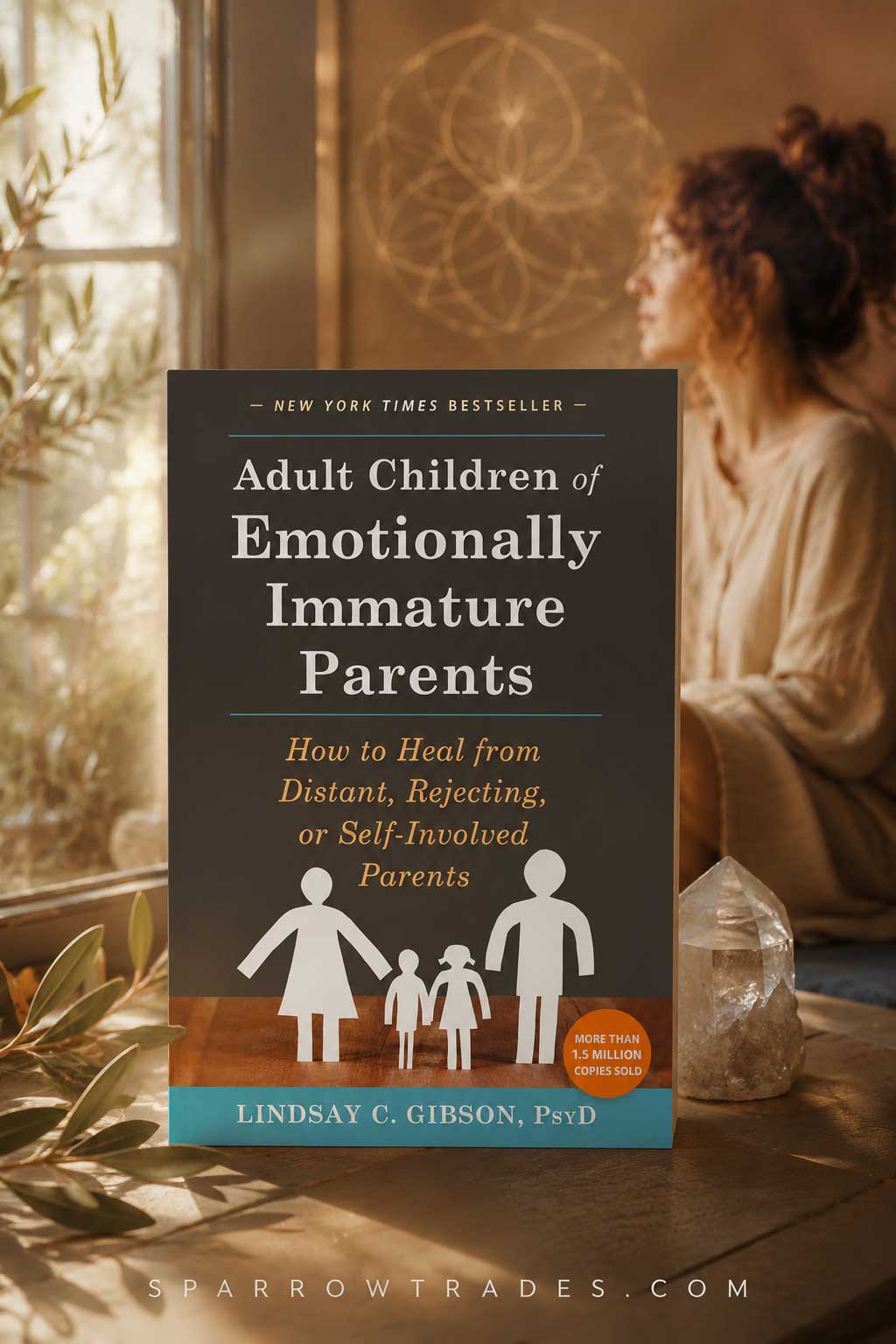
Signs of Emotional Arrested Development
Emotional arrested development rarely announces itself in obvious ways. Most people discover it through recurring patterns that seem to follow them across different areas of life.
One common sign is difficulty managing intense emotions. Small disappointments may trigger overwhelming reactions. A delayed text message can create panic. A misunderstanding can feel like rejection. These responses are not evidence of weakness. Often, they reflect a nervous system that learned to remain on high alert.
Another sign is struggling to identify or communicate emotions clearly. Some people become disconnected from their feelings entirely, while others experience emotions so intensely that it becomes difficult to separate one feeling from another. Building emotional intelligence often becomes an important part of healing because it helps create language for experiences that previously felt confusing or overwhelming.
Relationship patterns can also reveal emotional developmental wounds. Individuals may become highly dependent on reassurance, avoid vulnerability altogether, fear abandonment, or struggle with trust. In some cases, unresolved emotional wounds make healthy boundaries feel unfamiliar or unsafe. This can affect relationships for emotional wellness and the ability to feel steady inside emotional connection.
People with emotional arrested development often carry a harsh inner critic as well. Instead of responding to struggles with compassion, they may automatically judge themselves for having emotional needs. This pattern is especially common among those who experienced chronic emotional invalidation during childhood or close relationships.
Perfectionism, people-pleasing, emotional shutdown, avoidance, and difficulty making decisions can also emerge. These behaviors are frequently misunderstood as personality flaws when they are actually protective adaptations.
One of the most overlooked signs is feeling emotionally younger than your age in certain situations. A person may function successfully in work, parenting, or daily responsibilities yet feel unexpectedly small, powerless, or overwhelmed when specific emotional triggers appear.
These reactions often point toward unresolved developmental experiences rather than a lack of capability. The goal is not to judge these patterns but to understand them. Awareness creates the opportunity for change, while self-criticism often reinforces the very cycles people are trying to heal.
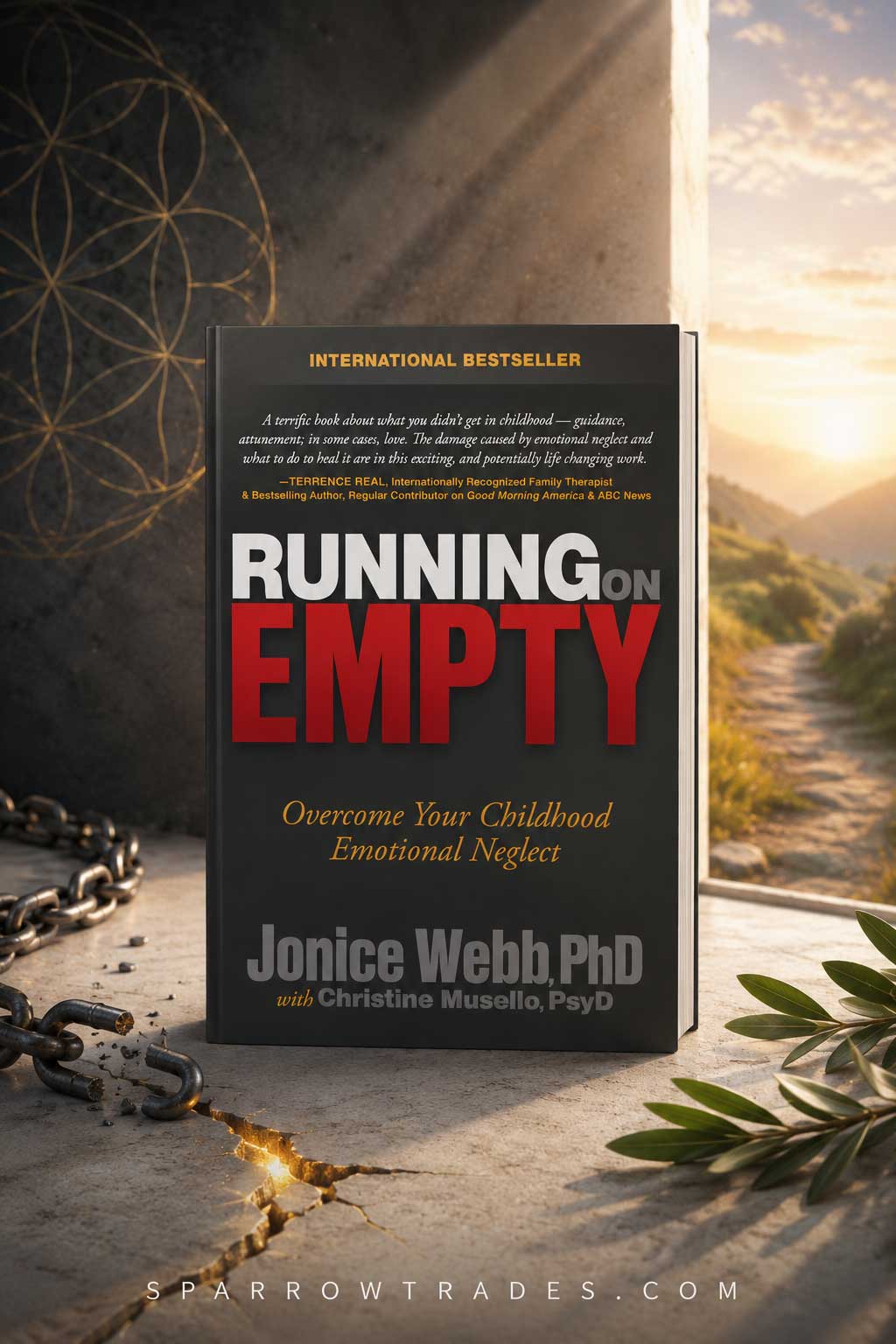
What Causes Emotional Arrested Development?
Emotional development unfolds through relationships, experiences, safety, and connection. When these foundations are disrupted, emotional growth can become interrupted as well.
Childhood trauma is one of the most common contributing factors. Experiences such as abuse, neglect, abandonment, chronic criticism, unpredictable caregiving, or exposure to conflict can force a child into survival mode. In these environments, emotional exploration becomes secondary to staying safe.
Many adults discover that unresolved experiences connected to understanding trauma for emotional wellness continue influencing emotional reactions decades later. The nervous system often remembers what the conscious mind has learned to minimize or dismiss.
Emotional neglect can be equally impactful. A child does not need to experience obvious abuse to struggle with emotional development. Growing up in an environment where feelings are ignored, dismissed, or consistently misunderstood can teach a child that emotions are unsafe, inconvenient, or unimportant.
Over time, this can create disconnection from internal experiences. Instead of learning how to process feelings, the individual learns how to suppress them.
Family dynamics also play a significant role. Children who become caretakers, peacemakers, mediators, or emotional support systems for adults often miss important developmental opportunities. Rather than learning who they are, they become focused on managing the emotional needs of others.
For many people, healing requires revisiting these early experiences through inner child healing practices, which can create space for understanding unmet developmental needs with compassion rather than shame.
Chronic stress can contribute as well. Even in adulthood, prolonged exposure to instability, toxic relationships, financial hardship, or emotionally unsafe environments can keep the nervous system focused on survival instead of growth.
This is why emotional arrested development is not simply a childhood issue. Emotional growth continues throughout life, and ongoing stress can temporarily interrupt that process at any age.
Understanding the roots of emotional arrested development is not about assigning blame. It is about recognizing that emotional patterns often have a history. Once that history becomes visible, healing becomes far more possible.
How Emotional Arrested Development Affects Daily Life and Relationships
Many people assume emotional arrested development only appears during major life crises. In reality, it often shows up in ordinary moments.
It can influence how someone responds to conflict, handles disappointment, receives feedback, asks for help, or navigates intimacy. These experiences may seem unrelated on the surface, yet they often share a common thread: emotional needs that never had the opportunity to develop safely.
Relationships are frequently where these patterns become most visible.
Someone who fears abandonment may become hypervigilant to changes in tone, communication, or behavior. Another person may avoid emotional closeness altogether because vulnerability feels unsafe. Others may swing between intense dependence and complete withdrawal, struggling to find balance.
These patterns can create confusion because they often conflict with conscious desires. A person may genuinely want healthy connection while simultaneously reacting from older emotional wounds.
This is one reason many individuals eventually begin learning to trust your emotions again. Healing requires recognizing that emotions contain valuable information while also understanding that past experiences can influence how those emotions are interpreted.
Emotional arrested development can also affect self-worth. When a person’s emotional needs were repeatedly dismissed, they may unconsciously believe their feelings are too much, inconvenient, or unimportant. Over time, this can lead to chronic self-doubt and difficulty trusting personal experiences.
For some people, the impact appears as people-pleasing. For others, it appears as perfectionism, emotional shutdown, overachievement, or an inability to rest.
The nervous system often remains trapped in protective patterns long after the original threat has passed. This is why healing is rarely achieved through logic alone. Understanding a pattern intellectually is important, but sustainable change often requires supporting the body, emotions, and nervous system simultaneously.
The good news is that emotional development remains possible throughout adulthood. The brain continues adapting. Emotional skills can be learned. New experiences can reshape old expectations.
Growth may feel uncomfortable at times, but emotional flexibility can be developed at any stage of life.
Healing Emotional Arrested Development
Healing emotional arrested development is not about forcing yourself to grow faster. It is about creating the conditions that allow growth to happen naturally.
Many people spent years surviving environments where emotional safety was absent. Because of this, healing often begins with establishing safety before attempting major change.
One of the most powerful steps involves developing greater awareness of emotional patterns. Instead of immediately judging reactions, try becoming curious about them.
What happened before the reaction occurred?
What emotion appeared first?
Does the response feel familiar?
Does it remind you of earlier experiences?
Questions like these strengthen the power of self-awareness in emotional healing by helping individuals recognize patterns without becoming consumed by them.
Healing also requires learning how to regulate emotions without suppressing them. Emotional regulation is not the absence of feeling. It is the ability to experience emotions without becoming completely overwhelmed by them.
For many people, this process involves practicing nervous system regulation techniques that help the body feel safer during moments of emotional activation. When the nervous system becomes more regulated, emotional growth often becomes more accessible.
Self-compassion is another essential component.
Many adults carry shame about emotional reactions they do not fully understand. They criticize themselves for being sensitive, needy, reactive, or fearful. Yet shame rarely creates lasting change. More often, it deepens emotional wounds.
Healing invites a different approach.
Instead of asking, “What is wrong with me?”
The question becomes:
“What happened that taught me to respond this way?”
That shift alone can create profound transformation.
As emotional awareness grows, many people begin noticing that old survival strategies are no longer necessary. New responses become possible. Emotional flexibility increases. Self-trust strengthens.
The process is gradual, but every step matters.
Supporting the Nervous System During Emotional Growth
Emotional growth is not solely a psychological process. It is also a nervous-system process.
When people experience emotional arrested development, their nervous systems have often spent years adapting to stress, unpredictability, or emotional unsafety. Even when life circumstances improve, the body may continue responding as though danger is still present.
This can make healing feel frustrating.
You may understand a situation rationally yet still experience fear, shame, panic, or overwhelm.
This is not a failure. It is information.
The nervous system learns through experience, repetition, and safety.
Practices such as somatic self-soothing practices can help create a stronger sense of internal stability. Gentle movement, mindful breathing, grounding exercises, and body awareness practices allow individuals to reconnect with physical sensations without becoming overwhelmed by them.
For those who frequently experience anxiety alongside emotional wounds, mindfulness for anxiety can provide a valuable framework for observing emotions without immediately reacting to them.
Many people also benefit from developing a personal toolkit of supportive practices. This might include journaling, spending time in nature, movement, therapy, meditation, creative expression, or quiet reflection.
The goal is not to eliminate emotions.
The goal is to increase the capacity to remain present with them.
As emotional resilience grows, individuals often notice greater flexibility in difficult situations. Emotional triggers become easier to recognize. Recovery becomes faster. Relationships begin feeling safer.
Over time, these changes help create the foundation for long-term emotional maturity and wellbeing.
Frequently Asked Questions
Is emotional arrested development the same as emotional immaturity?
Not exactly.
Emotional immaturity describes behaviors that may appear reactive, avoidant, or underdeveloped. Emotional arrested development focuses on the underlying reasons those patterns exist.
Many emotionally immature behaviors originate from experiences that interrupted emotional growth. Looking beneath the behavior often reveals unmet needs, unresolved wounds, or survival adaptations rather than intentional irresponsibility.
Can emotional arrested development be healed?
Yes.
Emotional growth remains possible throughout life. The brain and nervous system continue adapting well into adulthood.
Healing typically involves increasing self-awareness, developing emotional regulation skills, addressing unresolved wounds, creating emotional safety, and building healthier relationship patterns. Progress often occurs gradually rather than all at once.
Does childhood trauma always cause emotional arrested development?
Not always, but childhood trauma is one of the most common contributing factors.
Experiences such as neglect, emotional invalidation, abuse, abandonment, chronic criticism, or inconsistent caregiving can interrupt emotional development. However, chronic stress and emotionally unsafe environments later in life can also contribute to emotional stagnation.
Why do I feel younger than my age during emotional conflicts?
Many people describe feeling emotionally transported back to earlier experiences when certain triggers occur.
When a current situation activates an unresolved wound, the nervous system may respond using strategies that originally developed during childhood or adolescence. This can create a temporary feeling of being emotionally younger than your actual age.
Can therapy help with emotional arrested development?
Therapy can be extremely beneficial.
A supportive therapeutic relationship provides opportunities to explore emotional patterns, process unresolved experiences, and develop healthier coping skills. Many individuals also find healing through trauma-informed approaches that address both emotional experiences and nervous-system responses.
How do I start healing if I feel emotionally stuck?
Begin with awareness rather than judgment.
Pay attention to recurring emotional patterns. Notice situations that feel disproportionately activating. Explore emotional reactions with curiosity.
Practices that support healing for emotional wellness, strengthen emotional regulation, and encourage emotional safety often provide a strong foundation for growth. Small consistent steps tend to create more sustainable change than attempting dramatic transformation overnight.
Conclusion
Emotional arrested development is not a character flaw, a life sentence, or evidence that something is fundamentally wrong with you.
More often, it is a reflection of what happened when emotional growth was interrupted by circumstances that required survival to come first.
Many people spend years criticizing themselves for patterns that began as protective responses. They blame themselves for struggling with trust, boundaries, vulnerability, emotional regulation, or self-worth without realizing those challenges often have roots that reach much deeper.
Healing begins when those patterns are viewed through a lens of understanding rather than judgment.
As awareness grows, emotional experiences become easier to understand. The nervous system gradually learns that safety is possible. Emotional reactions become less overwhelming. Relationships begin feeling more secure.
This process does not require perfection.
It requires patience, curiosity, and a willingness to meet yourself with compassion.
Whether your healing journey involves strengthening emotional boundaries, reconnecting with your inner experience, exploring inner child healing practices, or developing greater self-trust, every step forward matters.
Growth that was interrupted can continue.
Parts of you that felt stuck can move again.
And over time, emotional maturity becomes less about becoming someone new and more about returning to the person you were always capable of becoming.

Where softness, self-awareness, and emotional healing are allowed to coexist. Through reflective writing, grounding rituals, and intentional beauty, Sparrow Trades offers gentle support for sensitive souls learning to reconnect with themselves.