What is lapis lazuli? A stone, yes—but also a story. A mirror. A quiet doorway into the parts of yourself that have long waited to be seen.
From the moment humanity first discovered this deep celestial blue, lapis lazuli has carried an energy that feels almost otherworldly. Civilizations separated by oceans and centuries all saw the same thing when they held it: truth, wisdom, clarity, and a sense of vast inner sky. To touch lapis is to touch something ancient—something that seems to remember who you were long before the world told you who you should be.
This stone has existed for more than 6,000 years, yet its meaning feels more relevant than ever. We live in a world that often asks us to doubt ourselves, disconnect from our intuition, or silence our own voice. Many people today find themselves unlearning old wounds, recognizing emotional manipulation, or rebuilding their sense of self after experiencing recognizing emotional manipulation and gaslighting in relationships. Lapis, with its timeless association with honesty and inner vision, becomes not just a gemstone—but a companion for that emotional journey.
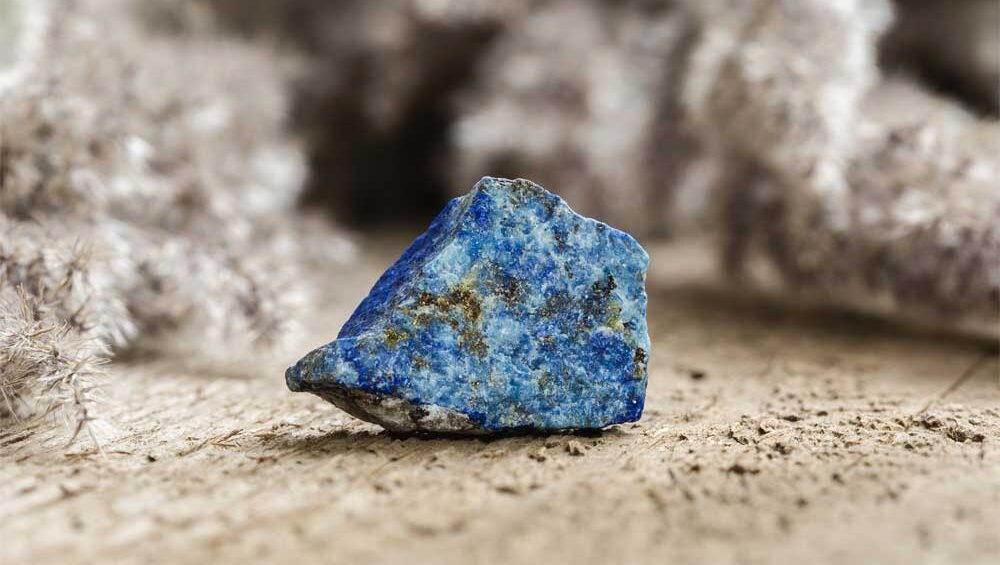
Its ultramarine color resembles the night sky stretching endlessly above ancient deserts, and its flecks of pyrite shimmer like stars caught inside the stone. Something about lapis reminds you that truth is not fragile. That you can return to what you know deep down, even after years of being encouraged to suppress it. Many people who are learning to trust your emotions again find comfort in the gentle steadiness of lapis—its quiet insistence that your inner knowing has always been there.
Historically, lapis was revered by the Sumerians as the stone of the gods. Egyptians carved it into protective amulets and placed it over the throat and heart to guide the soul toward truth in the afterlife. Artists in Renaissance Europe ground it into ultramarine pigment—the most precious blue in the world—reserved only for the robes of holy figures or sacred art. Even then, people sensed that this stone represented something holy, something connected to authentic expression.
Today, many are reclaiming the practices that help them reconnect with themselves—grounding rituals, breathwork, or mindfulness for anxiety. Within that landscape, lapis lazuli feels like an anchor point. It holds space for clarity, honesty, intuition, and communication—the emotional qualities that support healing after being emotionally invalidated or navigating the confusing aftermath of seeing the early signs of gaslighting.
To ask “What is lapis lazuli?” is really to ask: What truth am I ready to hear? What clarity am I ready to welcome back into my life? What voice—my voice—am I ready to reclaim?
This article is your guide. We’ll explore its origins, history, spiritual meaning, emotional healing benefits, and how to use lapis in practices found in crystal healing practices and crystals for meditation. You’ll also find space to explore how this stone supports understanding emotional boundaries and the psychology of respect while reconnecting you with your intuitive self.
Lapis is not a trend. It is a return. A remembering. A powerful symbol for anyone on the inner journey toward honesty, healing, and self-awareness.
The Origins of Lapis Lazuli: Born of Earth, Fire, and Time
Long before lapis lazuli was carried in pockets, placed on altars, or worn close to the heart, it was forged in the silent dark of the Earth’s crust. This stone begins its life deep underground, where extreme heat and pressure transform limestone into something utterly extraordinary—a metamorphic rock saturated with rich blue lazurite. Veins of shimmering pyrite streak across its surface like constellations frozen in stone, while threads of pale calcite remind us that beauty is often woven from contrast.
The most renowned source of lapis is Afghanistan’s ancient Sar-i Sang mines, active for more than 6,000 years. These mountains have offered humanity some of the world’s most striking stones—so prized they traveled the Silk Road, adorned temples, and were traded as symbols of status, protection, and spiritual power. Every piece of lapis carries that lineage: centuries of hands, stories, beliefs, and meaning.
Holding lapis can feel grounding, almost like touching history. Many people describe a sensation of stillness or clarity—a moment of pause in a life that rarely slows down. For those exploring emotional wellness foundations or navigating life’s turning points, this stone serves as a reminder that transformation begins beneath the surface long before it becomes visible.
Just as lapis forms through pressure and heat, many of us develop strength and clarity in our most challenging seasons. When you’ve felt misunderstood or dismissed, or spent years minimizing your own experiences, healing can feel like excavating something precious within yourself. Lapis becomes a symbolic companion for this kind of emergence—a reminder that your inner truth has always been there, waiting to be uncovered.
It is both ancient and refreshingly honest, showing you that you are shaped by what you’ve lived, but not defined by it. The same way heat and pressure create lapis lazuli, your own experiences can create depth, intuition, and emotional wisdom—qualities supported by practices found within your crystal healing guide and other grounding rituals.
A Stone Written Into History: From Temples to Masterpieces
Few gemstones carry a cultural legacy as vast and interconnected as lapis lazuli. Across continents and centuries, this stone has held a powerful role in myth, art, ritual, and spiritual symbolism.
In ancient Mesopotamia, lapis was believed to hold the essence of the divine. Priestesses and royalty wore it during rituals invoking clarity, truth, and protection. Egyptians carved it into amulets, scarabs, and sacred adornments, believing it connected the physical and spiritual worlds. Even the iconic mask of King Tutankhamun features striking inlays of lapis—a reminder that the soul’s journey toward truth mattered beyond life itself.
Persian mystics associated lapis with the night sky, viewing its golden flecks as stars scattered across the heavens. Greco-Roman cultures used it as a protective talisman, believing it shielded against deception and emotional turmoil—resonating deeply with anyone who has experienced when empathy becomes emotional exhaustion or confusion around truth and perception.
During the Renaissance, lapis became the most coveted blue pigment in the world: ultramarine. It was more valuable than gold and reserved for the highest expressions of art—sacred robes, celestial skies, divine symbolism. Artists used it to communicate purity, truth, and spiritual elevation.
Today, lapis continues its legacy—not only through art and adornment but through the healing journeys of people reclaiming their intuition and emotional clarity. Whether you’re exploring the power of self-awareness in emotional healing or reconnecting with your inner voice, lapis supports that process by reminding you that truth can be both beautiful and transformative.
Its history shows us that seeking clarity is not new. It is ancient. It is human. And wearing lapis—or simply holding it—connects you to that timeless quest for wisdom and self-understanding.
The Spiritual Meaning of Lapis Lazuli: A Stone of Truth, Intuition & Inner Vision
Lapis lazuli has long been known as a stone of truth—but the kind of truth it represents is gentle, steady, and deeply personal. This is not the sharp truth that wounds, but the quiet truth that rises from within when you finally become still enough to hear yourself. Its deep celestial blue resonates with both the third eye and throat chakras—the energetic centers of intuition, clarity, and voice.
For anyone healing from manipulation, confusion, or years of self-doubt, lapis can feel like a breath of fresh air. Many people who are learning to trust your emotions again or rebuilding their sense of self after subtle invalidation find lapis to be a supportive companion. It strengthens the internal pathways that help you recognize your own perceptions—especially when you’ve been conditioned to question them.
Its energy encourages thoughtful introspection and mindful presence, making it an ideal stone to use alongside practices found in mindfulness for beginners. Lapis helps soften mental clutter and allows your awareness to drop into a quieter, more intuitive space. This is where the truth tends to appear—softly but unmistakably.
Because lapis supports communication, it’s a powerful ally for those exploring understanding emotional boundaries and the psychology of respect. When you’ve learned to silence your needs or minimize your experiences, this stone encourages you to reclaim your voice. It serves as a symbolic reminder that your truth matters, your perceptions matter, and your emotional reality deserves respect.
This is why lapis is often called a “Stone of Inner Vision.” It doesn’t force clarity; it reveals what’s already there. It helps you gently uncover what you’ve ignored, trust what you’ve sensed, and express what you’ve held back. In this way, lapis supports every step of healing after being emotionally invalidated and encourages emotional sovereignty.
How to Use Lapis Lazuli: Rituals for Truth, Healing & Insight
Lapis lazuli blends beautifully with healing practices, mindfulness work, and intentional ritual. You don’t need complicated techniques—just a willingness to pause, breathe, and create space for truth.
Here are some meaningful ways to work with lapis:
Meditation for Insight
Place lapis on your third eye during meditation to calm mental noise and support intuitive clarity. Pairing the stone with grounding techniques can deepen your sense of stillness and focus.
Journaling with Truth in Mind
Holding lapis while writing can help you access emotional honesty—especially when you’re moving through experiences like healing after being emotionally invalidated or understanding the effects of recognizing emotional manipulation and gaslighting in relationships. The stone acts like a compass, guiding your reflections toward what feels real.
Voice & Boundary Rituals
Because lapis strengthens self-expression, it can be especially supportive during boundary-setting work. Keep it nearby while practicing communication rooted in clarity and self-respect, as explored in understanding emotional boundaries and the psychology of respect.
Dreamwork & Insight
Many keep lapis beneath a pillow to support insightful dreams, symbolic messages, or emotional processing. This practice pairs well with somatic approaches, such as somatic self soothing practices, by helping the body and mind work together more harmoniously.
Wearing Lapis with Intention
Wearing lapis lazuli jewelry near the throat encourages honest communication and supports your authentic voice. It’s a beautiful way to set a daily intention of clarity, confidence, and truth.
These rituals are not about forcing outcomes; they’re about creating meaningful pauses where your emotional world can rise to the surface. Paired with consistent personal practices, lapis becomes a gentle yet powerful tool for supporting your inner journey and can be further explored through resources like gemstone meanings.
Frequently Asked Questions About Lapis Lazuli
Working with gemstones often brings up deeper questions about meaning, use, and emotional impact. Below are answers to the most commonly asked questions about lapis, written with clarity and compassion for those on a healing path.
What does lapis lazuli symbolize spiritually?
Lapis lazuli symbolizes wisdom, intuition, and emotional truth. It encourages deep self-reflection and strengthens your inner voice. Many people on a healing journey—especially those seeking the power of self-awareness in emotional healing—find lapis helps illuminate insights they’ve long sensed but struggled to articulate.
Is lapis lazuli good for emotional healing?
Yes. Lapis supports clarity, emotional honesty, and self-trust—all essential when navigating experiences like when empathy becomes emotional exhaustion. Its soothing presence helps stabilize overwhelming emotions and encourages compassionate self-awareness.
What chakra is lapis lazuli connected to?
Lapis is closely tied to the third eye and throat chakras. This makes it an ideal stone for supporting intuition and communication, especially for people exploring mindfulness for anxiety or rebuilding emotional confidence after difficult relational experiences.
How do I cleanse or charge my lapis lazuli?
Because lapis is a softer stone, avoid water or salt. Instead, use gentle methods such as sound bowls, incense smoke, moonlight, or intentional breath—techniques often recommended in crystal healing practices.
Can lapis help with anxiety or overthinking?
Many people find lapis calming because it encourages grounded perspective and intuitive clarity. It can complement practices like mindfulness for beginners and breathwork 101, helping settle the mind and support emotional regulation.
Is lapis lazuli good for beginners in crystal work?
Yes. Lapis is beginner-friendly, supportive, and emotionally intuitive. It is often recommended as a starting stone for people new to crystal work because it is easy to connect with and aligns well with practices focused on self-awareness, intuition, and emotional healing.
Conclusion: Returning to Your Inner Truth
Lapis lazuli isn’t just a gemstone—it’s an invitation back to yourself.
Across thousands of years, countless cultures have turned to this deep celestial blue stone for guidance, clarity, spiritual connection, and emotional truth. And in a world where so many people are relearning who they are after experiences of confusion, silencing, or emotional overwhelm, the meaning of lapis has never felt more relevant.
When you hold lapis or wear it close to your skin, you are participating in an ancient lineage of seekers—people who valued honesty, inner vision, and intuitive wisdom. Lapis asks you to slow down and listen. To soften enough to hear your own voice. To trust the insights that rise in stillness.
Whether you’re healing from past invalidation, strengthening your intuition, or reconnecting with your emotional landscape, this stone supports your journey with patience and steadiness. It pairs beautifully with grounding practices, reflective journaling, somatic work, and mindful pauses—approaches explored throughout your crystal healing guide and the wider emotional wellness cluster on Sparrow Trades.
As you work with lapis, you may begin to notice subtle shifts:
- A clearer sense of what feels true
- A deeper trust in your own perceptions
- A willingness to express yourself honestly
- A strengthened relationship with your intuition
- A gentler, more compassionate awareness within
These are not small things. They are the foundations of emotional confidence and inner stability—qualities that allow you to walk through life with more grounded presence and clarity.
At Sparrow Trades, we honor stones like lapis because they remind us that healing is not an endpoint—it’s a relationship. A slow return to authenticity. A steady reclaiming of the self that has always been there beneath the noise of fear, expectation, or past wounds.
If lapis resonates with you, consider working with it daily—placing it near your bed, incorporating it into meditation, wearing lapis lazuli jewelry as a symbolic reminder, or pairing it with future practices like your upcoming guides on lapis lazuli affirmations and lapis lazuli meditation techniques, as well as deeper explorations such as lapis for emotional clarity and truth. These practices can help you continue exploring emotional clarity and grounded intuition in your everyday life.
May this stone guide you toward greater truth, tenderness, and the quiet inner wisdom that has always belonged to you.

Where softness, self-awareness, and emotional healing are allowed to coexist. Through reflective writing, grounding rituals, and intentional beauty, Sparrow Trades offers gentle support for sensitive souls learning to reconnect with themselves.