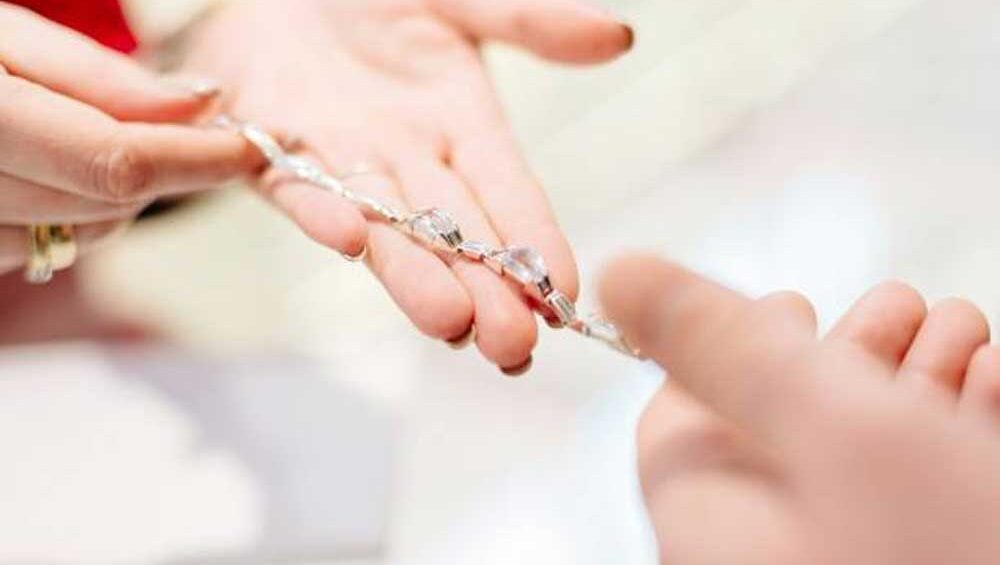
In the world of business, empathy is often overlooked as a powerful tool for success. However, for jewelry businesses, it can be the key that unlocks a whole new level of customer engagement and satisfaction. When customers walk into a jewelry store or visit an online shop, they are not just looking for a beautiful piece of jewelry; they are seeking an emotional experience. This is where empathy comes in.
By understanding and empathizing with their customers’ wants and needs, jewelry businesses can create a truly personalized and meaningful experience. Whether it’s helping a customer find the perfect engagement ring to symbolize their love or guiding them in choosing a sentimental gift for a loved one, empathy allows jewelry businesses to connect with their customers on a deeper level.
Furthermore, empathetic customer service can lead to increased customer loyalty and positive word-of-mouth referrals. When customers feel genuinely understood and cared for, they are more likely to become loyal brand advocates and recommend the business to their friends and family.
In today’s competitive market, where jewelry businesses are vying for customers’ attention, empathy can be the differentiating factor that sets a business apart. By harnessing the power of empathy, jewelry businesses can transform their customer experiences and ultimately, their bottom line.
Understanding empathy in business
Empathy in business is the ability to understand and share the feelings of another, particularly customers. It involves recognizing the emotional states of individuals, which can significantly influence their purchasing decisions. When businesses practice empathy, they create a bond of trust and understanding with their customers, allowing for more meaningful interactions. This goes beyond just acknowledging customer complaints or feedback; it requires a deep understanding of their needs, desires, and pain points.
In today’s fast-paced market, where transactions often feel impersonal, empathy becomes a crucial differentiator. It enables businesses to tailor their approach, ensuring that each customer feels valued and heard. The implications of empathy reach into every aspect of a business, from product development to marketing strategies, and even customer service. By fostering an empathetic culture, companies can not only boost customer satisfaction but also enhance employee morale and productivity.
Moreover, empathy is not just a one-time effort; it requires ongoing commitment. Businesses must continually seek to understand their customers through various feedback mechanisms, such as surveys, reviews, and direct communication. This commitment to understanding allows businesses to adapt to changing customer needs and market conditions, thereby sustaining their relevance and appeal over time. In the context of the jewelry industry, where emotional connections are paramount, empathy plays a vital role in building lasting relationships with customers.
The importance of empathy in the jewelry industry
The jewelry industry is inherently emotional, often linked to significant life events such as engagements, weddings, anniversaries, and other milestones. This emotional connection makes empathy particularly important for jewelers. When customers enter a jewelry store or browse an online shop, they are often looking for something that resonates with their personal stories and values. Empathetic interactions can transform a typical shopping experience into a memorable journey that honors those sentiments.
Understanding the unique motivations behind a customer’s purchase can make all the difference. For instance, when a couple is searching for an engagement ring, they are not merely seeking a piece of jewelry but a symbol of their love and commitment. An empathetic jeweler can guide them through this process, helping them articulate their feelings and preferences. This approach not only fosters trust but also ensures that customers leave with more than just a product; they take home a story and an emotional connection to their purchase.
Furthermore, in a competitive market where numerous brands vie for attention, those that prioritize empathy stand out. Jewelry businesses that actively listen to their customers and respond to their emotional needs will cultivate stronger relationships and build loyalty. This is particularly important in an age where consumers are more informed than ever; they seek brands that align with their values and understand their experiences. By embedding empathy into their core business practices, jewelry retailers can create a distinct identity that resonates with their audience.
How empathy can enhance customer satisfaction
Empathy enhances customer satisfaction by creating a personalized shopping experience that meets the unique needs of each individual. When customers feel understood and valued, their trust in the brand increases, leading to greater satisfaction with their purchase. This can manifest in various ways, from tailored recommendations to thoughtful follow-up communication. By actively engaging with customers and acknowledging their feelings, businesses can significantly improve their overall experience, making them more likely to return.
In the jewelry industry, where purchases are often tied to emotional moments, the ability to empathize can directly impact customer satisfaction. For example, a customer purchasing a gift for a loved one may feel anxious about making the right choice. An empathetic salesperson can alleviate this anxiety by asking insightful questions, offering reassurance, and providing knowledgeable advice. This not only enhances the shopping experience but also fosters a sense of connection between the customer and the brand.
Moreover, satisfied customers are more inclined to share their positive experiences with others, creating valuable word-of-mouth marketing. In an era where online reviews and social media greatly influence purchasing decisions, the impact of empathetic interactions cannot be overstated. Businesses that prioritize empathy are likely to see an increase in customer referrals and repeat purchases, ultimately contributing to their long-term success. By embedding empathy into their service model, jewelry businesses can create a cycle of satisfaction that benefits both customers and the brand.
Empathy-driven product development and design
Empathy-driven product development in the jewelry industry involves understanding the emotional significance of jewelry pieces for customers. By empathizing with the customer journey, designers can create pieces that not only appeal aesthetically but also resonate on a deeper emotional level. This understanding can guide the design process, ensuring that each piece tells a story or fulfills a specific need or desire.
For instance, consider the development of engagement rings. By empathizing with couples’ aspirations and traditions, designers can craft rings that reflect their unique love stories. This might involve incorporating specific gemstones that hold personal meaning or designing rings that align with cultural significance. When products are developed with empathy, they become more than just items for sale; they transform into cherished symbols that customers hold dear, enhancing their emotional connection to the brand.
Additionally, empathy can drive innovation in product offerings. By actively listening to customer feedback and understanding their pain points, businesses can identify gaps in the market and create solutions that address those needs. For example, if customers express difficulty in finding sustainable options, a jewelry brand that empathizes with this concern can develop eco-friendly collections. This not only meets a growing demand but also reinforces the brand’s commitment to customer values, fostering loyalty and satisfaction.
The role of empathy in customer service
Customer service is often the frontline of a business, where empathy can have a profound impact on customer perceptions. In the jewelry industry, where purchases carry significant emotional weight, providing empathetic customer service is crucial. A customer may walk into a store feeling nervous about making a large purchase, or they may have questions about the craftsmanship of a piece. An empathetic approach can make all the difference in how they feel during these interactions.
Effective customer service means actively listening to customers and addressing their concerns with understanding and compassion. This can involve taking the time to answer questions thoroughly, acknowledging the customer’s feelings, and providing reassurance. For example, if a customer expresses uncertainty about a purchase, an empathetic representative can offer insights that align with the customer’s emotional journey, whether it’s sharing the story behind a particular design or highlighting the quality of jewelry materials used.
Moreover, the role of empathy in customer service extends beyond in-person interactions. Online jewelry businesses can also cultivate empathy through responsive communication channels, such as chat support or personalized emails. By ensuring that customers feel heard and valued, businesses can create a positive experience that enhances brand loyalty. When customers know that their feelings matter and that their concerns are taken seriously, they are more likely to return and advocate for the brand within their social circles.
Empathy in marketing and communication strategies
Integrating empathy into marketing and communication strategies can transform how jewelry brands interact with their customers. Empathetic marketing involves understanding the emotions that drive consumer behavior and crafting messages that resonate with those feelings. This approach can create a more authentic connection between the brand and its audience, making marketing efforts more effective.
For instance, storytelling is a powerful tool in empathetic marketing. By sharing stories that reflect the emotional significance of jewelry, brands can engage their audience on a deeper level. This could involve showcasing real-life customer experiences, such as weddings or anniversaries, where jewelry plays a central role in the celebration. By highlighting these narratives, brands can evoke emotions that resonate with potential customers, encouraging them to envision their own stories intertwined with the products.
Additionally, social media offers a unique platform for empathetic communication. Brands can interact with customers in real-time, responding to questions and comments with genuine understanding. This two-way communication fosters a sense of community and belonging, making customers feel valued and appreciated. By consistently demonstrating empathy through their communication channels, jewelry businesses can build stronger relationships with their audience, leading to increased brand loyalty and customer retention.
Cultivating empathy within the organization
To harness the power of empathy effectively, jewelry businesses must cultivate it within their organization. This begins with leadership setting the tone by demonstrating empathetic behaviors and encouraging their teams to do the same. Training programs focused on empathy can help employees understand its importance and teach them how to incorporate it into their daily interactions with customers and colleagues.
Creating a culture of empathy also involves encouraging open communication and collaboration among team members. When employees feel comfortable sharing their thoughts and experiences, they are more likely to develop a deeper understanding of each other and, by extension, their customers. This internal empathy fosters a supportive work environment, which can enhance employee morale and productivity. When employees are happy and engaged, they are more likely to extend that positive energy to customers.
Moreover, businesses can implement feedback mechanisms that allow employees to share their insights on customer interactions. By analyzing these experiences, organizations can identify areas for improvement and develop strategies that prioritize empathy in all aspects of the business. Whether through regular team meetings or anonymous surveys, cultivating empathy as a core value can lead to a more cohesive team that is dedicated to enhancing the customer experience.
Case studies: Successful jewelry businesses that prioritize empathy
Several jewelry businesses have successfully integrated empathy into their operations, leading to noteworthy outcomes. One standout example is a well-known brand that focuses on ethical sourcing and craftsmanship. By empathizing with customers’ growing concerns about sustainability, they created a line of eco-friendly jewelry that resonates with environmentally conscious consumers. This commitment to ethical practices not only attracted a loyal customer base but also positioned the brand as a leader in responsible jewelry.
Another example is a family-owned jewelry store that emphasizes personalized service. Their sales associates are trained to engage customers in meaningful conversations, asking questions about their stories and preferences. This empathetic approach helps customers feel more at ease during the often-emotional purchase process. As a result, the store has seen an increase in repeat business and referrals, demonstrating the power of empathetic customer service in building long-term relationships.
Additionally, a luxury jewelry brand utilized storytelling in their marketing campaigns to connect with their audience on a deeper level. By showcasing real couples and their love stories, they effectively tapped into the emotions that drive jewelry purchases. This strategy not only enhanced customer engagement but also fostered a sense of community around the brand. By prioritizing empathy in their marketing efforts, this brand has cultivated a loyal following that extends beyond mere transactions.
Empathy as a competitive advantage in the jewelry market
In the competitive landscape of the jewelry market, empathy can serve as a significant differentiator. Businesses that prioritize empathetic practices are better equipped to understand and respond to customer needs, resulting in enhanced customer loyalty and satisfaction. This competitive advantage becomes even more critical in a market where consumers have numerous options and can easily switch brands based on their experiences.
Empathetic brands are more likely to cultivate a loyal customer base, as they create genuine connections that go beyond the transaction. This loyalty translates into repeat business and positive word-of-mouth referrals, which are invaluable in attracting new customers. In an industry where emotional connections play a pivotal role, empathy can set a brand apart from its competitors, allowing it to thrive and grow.
Furthermore, as consumer expectations continue to evolve, businesses that embrace empathy will be better positioned to adapt to these changes. By actively listening to customer feedback and understanding their emotional journeys, jewelry brands can innovate and develop products that meet emerging trends and demands. This proactive approach not only enhances customer satisfaction but also reinforces the brand’s reputation as a leader in the industry.
Conclusion: Harnessing the power of empathy for long-term success
Harnessing the power of empathy is essential for jewelry businesses looking to achieve long-term success. By understanding and addressing the emotional needs of their customers, brands can create meaningful connections that enhance customer satisfaction, loyalty, and word-of-mouth marketing. Empathy not only enriches the customer experience but also fosters a positive internal culture that benefits employees and the broader organization.
As the jewelry industry continues to evolve, businesses that prioritize empathy will stand out in a crowded marketplace. This approach requires ongoing commitment and a willingness to adapt, but the rewards are significant. By creating a culture of empathy, jewelry brands can ensure that they remain relevant and resonate with their audience, ultimately driving growth and success.
In conclusion, the power of empathy can transform a jewelry business, turning transactions into meaningful experiences that celebrate the emotional significance of each piece. By embedding empathy into every aspect of the business, from product development to customer service, jewelry brands can build lasting relationships that not only enhance their bottom line but also enrich the lives of their customers. The journey of empathy is a continuous one, but the impact it can have on a jewelry business is profound and far-reaching.
Shop Our Jewelry Collection
Discover our exquisite range of jewelry to complement your style:

Where softness, self-awareness, and emotional healing are allowed to coexist. Through reflective writing, grounding rituals, and intentional beauty, Sparrow Trades offers gentle support for sensitive souls learning to reconnect with themselves.