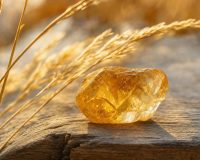
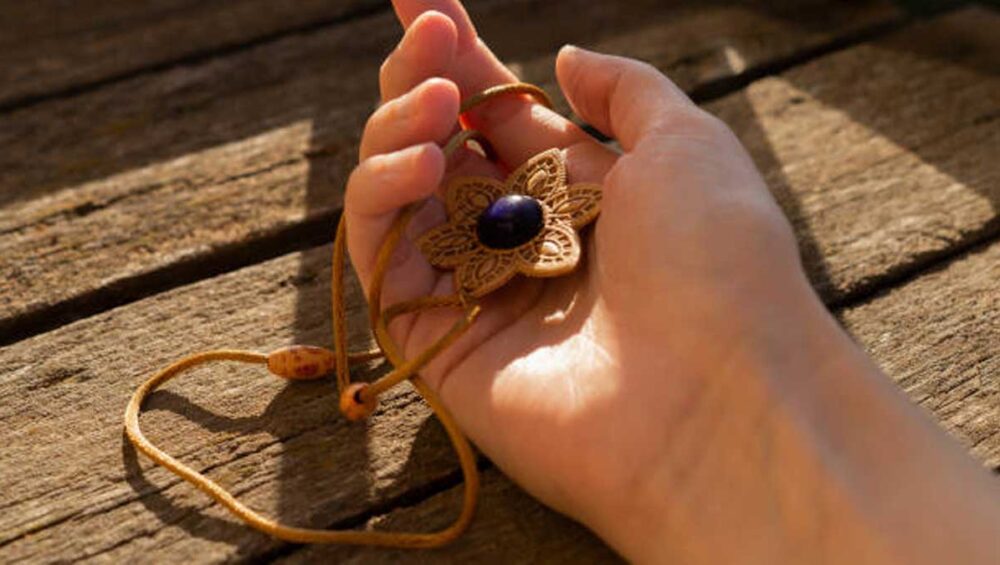
There are crystals that feel gentle, crystals that feel grounding, and then there is lapis lazuli—ancient, bold, and unmistakably wise. From the moment you hold it, there’s a presence to it. A heaviness. A steady blue stillness that seems to anchor your breath before you even realize you’re relaxing. Lapis has always been associated with truth, intuitive vision, and inner clarity, and meditation is one of the most powerful ways to access the qualities this stone is known for.
But here’s the important thing: meditating with a crystal isn’t about expecting the stone to “fix” anything. Instead, meditation gives the mind a safe, quiet doorway inward. Lapis becomes the companion that makes passing through that doorway feel easier. Its cool surface, its symbolic connection to the third eye, and even its natural weight can help slow your thoughts and settle your nervous system.
For people who are building or returning to a meditation practice, anchors like this can make a meaningful difference. Those who are newer to mindfulness may find steady support through foundational practices like mindfulness for beginners, while those navigating tension, overwhelm, or anxiety may benefit from pairing lapis meditation with grounding approaches such as mindfulness for anxiety.
On an energetic level, lapis is deeply tied to intuition and honest self-expression. Its rich cobalt blue has historically been associated with inner wisdom, which is why it was used by healers, artists, and spiritual leaders across ancient cultures. If you’re curious about the broader energetic role of crystals, a helpful place to begin is the comprehensive crystal healing guide, which offers a larger framework for understanding how crystals fit into meditative and intention-based practices.
For those who specifically meditate with stones, lapis is part of a powerful meditative ecosystem explored within the broader collection of crystals for meditation. Understanding where lapis fits within that landscape adds depth to your practice and helps you pair it with complementary stones or grounding rituals when needed.
On a more emotional note, lapis is known for bringing clarity to internal experiences that might otherwise feel tangled or overwhelming. Many people choose it when they want to reconnect with their emotional truth or strengthen their inner voice. If you’re drawn to lapis for this reason, you may resonate with its deeper meaning and historical significance described in what is lapis lazuli.
This stone carries a unique blend of grounding presence and intuitive sharpness. That combination makes it perfect for meditative work that involves reflection, inner guidance, or emotional honesty. Whether you’re beginning a healing journey, strengthening your intuition, or simply seeking a calmer mind, lapis meditation can become a deeply supportive ritual—one that stabilizes your breath, clears out mental fog, and helps you return to yourself.
In the next sections, you’ll learn exactly how lapis interacts with your energy during meditation, how to prepare it, and three meditation techniques you can begin using today—each designed to help you feel more grounded, more centered, and more connected to your inner truth.
How Lapis Lazuli Supports Meditation (Energetically + Emotionally)
Lapis lazuli is more than a beautiful stone—it’s a sensory and emotional anchor that helps you drop into a deeper meditative state. One of the first things people notice when holding lapis is its weight. That grounded heaviness is not accidental; it gives your body a tangible focal point. When you’re anxious or overstimulated, a sensory anchor like this can be incredibly stabilizing, especially when paired with practices that support emotional regulation. Those interested in strengthening this connection often explore grounding with crystals daily practices as part of their routine.
Energetically, lapis is associated with the third eye chakra, the center of inner knowing and intuitive insight. Many people report that simply placing the stone near their brow encourages mental clarity, a “lifting of the fog,” or a softening of mental chatter. If you’d like to explore how crystals correspond to each chakra, the broader framework within the chakra crystals guide can help deepen that understanding.
Meditating with lapis can also help illuminate emotional truths—particularly the ones you’ve been avoiding, suppressing, or struggling to name. This is where its historical symbolism shines. In many cultures, lapis represented honesty, wisdom, and direct communication with one’s inner self. If emotional clarity is part of your journey, you may resonate with the reflections shared in lapis for emotional clarity and truth.
Lapis also pairs well with intentional rituals. People often incorporate it into breathwork sessions, journaling check-ins, and intention-setting practices. If you thrive on ritual structure, you might find inspiration in practices that explore daily rituals with crystals for building consistency and creating deeper emotional meaning.
Finally, lapis is supported by the broader ecosystem of crystal healing traditions. Meditation becomes especially potent when you understand how your chosen stone fits into your energetic goals. If you want to contextualize lapis within a wider practice, the foundational insights outlined in crystal healing practices can help tie everything together and support you as your practice evolves.
Technique 1 — Holding Lapis During Meditation (Sensory + Breath-Based Support)
One of the most accessible ways to meditate with lapis is simply by holding it. Placing the stone in your palm and letting your attention rest on its weight, temperature, and texture helps the mind settle. This is especially useful for people who struggle with internal overwhelm or racing thoughts. The sensory experience of the stone creates a physical “here and now,” grounding you in your body in a way that feels calming and supportive.
To begin, sit comfortably and place the stone in whichever hand feels natural. Close your eyes and allow your breath to lengthen on its own. Instead of trying to force mindfulness, let the stone do some of that work for you. Notice how your palm curves around it. Feel the coolness of the surface. Let the weight encourage your shoulders to soften.
If you enjoy pairing meditation with affirmation work, lapis is an excellent companion for truth- and clarity-based mantras. You can deepen this part of your practice using the gentle guidance from lapis lazuli affirmations, which complements the introspective nature of the stone beautifully.
This tactile technique also blends well with somatic awareness practices. If you find comfort in checking in with your body or grounding through physical sensation, you may benefit from integrating insights from beginners guide to somatic check ins, which aligns naturally with holding a grounding stone like lapis.
For those who like to meditate with jewelry—especially bracelets, which are naturally tactile—lapis pairs well with supportive pieces found in meditation bracelets. Wearing lapis as part of your meditation ritual allows the stone to stay with you throughout the day, helping you reaccess calm even outside your seated practice.
Once you feel comfortable holding lapis in your hands, you may feel called to work with it more directly over your energy centers. The next technique focuses on the third eye—inviting deeper intuitive insight.
Technique 2 — Third Eye Activation with Lapis (Intuition + Insight Focus)
If you’re drawn to lapis for its intuitive qualities, this technique may feel like coming home. Placing lapis directly over the third eye—the space between your eyebrows—can help quiet surface-level thoughts and open a deeper layer of internal awareness. Many people describe this method as feeling like a gentle lifting inside their forehead, as if mental clutter is moving out of the way so clarity can rise.
Begin lying down or reclining slightly, allowing your head and neck to relax. Place a smooth lapis stone on your brow, adjusting until it feels comfortably balanced. Close your eyes and notice the subtle pressure of the stone. Let that sensation become your anchor. Visualize a deep blue light expanding outward from the stone, clearing space in your mind.
This approach pairs beautifully with energy-based practices and is often used by people who resonate with chakra-focused meditation. As you work with lapis over time, you might notice patterns in the insights that emerge—recurring themes, truths you’ve been avoiding, or intuitive nudges that finally become clear enough to follow.
During this meditation, thoughts may appear at first—old worries, new distractions, emotional fragments. Instead of pushing them away, imagine the lapis absorbing them, creating more openness inside your mind. This mirrors the emotional clearing many people experience when they sit with the deeper qualities of the stone: greater honesty with themselves, clearer boundaries, and a softer relationship with their own inner voice.
You can finish this meditation with journaling, especially if intuitive insights arise. Lapis often brings buried truths or unresolved emotions into sharper awareness. Capturing them immediately can help you integrate what surfaced instead of losing it to the busyness of the day.
Technique 3 — Lapis Visualization Meditation (Symbolism + Emotional Processing)
Visualization with lapis is one of the most transformative meditation approaches for those who process emotions internally or intuitively. This method uses lapis not just as a stone, but as a symbolic portal—a mirror that reflects the truth already within you.
To begin, hold your lapis stone or place it in front of you. Close your eyes and imagine stepping into the deep blue color of the stone. Picture yourself floating in a vast, star-speckled night sky: calm, open, and free from mental noise. Let the color surround you. Let it soften whatever feels tight or tangled inside.
This technique is particularly supportive for people working through confusion, emotional overwhelm, or periods of inner transition. The symbolism of entering the “lapis sky” helps you connect with your own inner wisdom while remaining gently grounded. Instead of forcing answers, you create space for them to arise on their own.
During this meditation, imagine the lapis acting as a guide. Ask it a question: What truth do I need to see right now? What emotion needs more space? What clarity am I avoiding? Often, what rises is subtle—a feeling, an image, a word, a memory. Over time, these small fragments can add up to powerful insight.
This technique becomes even more powerful when paired with a grounding practice afterward. Bringing yourself back into your body helps integrate the emotional or intuitive work you just completed and reminds your nervous system that you are safe. A simple way to do this is to feel your feet on the floor, place a hand on your heart or belly, and take a few slow, conscious breaths before returning to your day.
Frequently Asked Questions About Lapis Lazuli Meditation
Meditating with lapis lazuli can feel both intuitive and mysterious. Whether you’re working with crystals for the first time or deepening an existing practice, these common questions help bring clarity, confidence, and emotional resonance to your experience.
How do I know if lapis lazuli is the right stone for my meditation practice?
Many people feel drawn to lapis intuitively—its deep blue color, calming weight, and symbolic connection to truth tend to resonate with those seeking clarity and self-awareness. If you’re working through confusion, emotional fog, or difficulty accessing your inner voice, lapis is often an excellent match. You may also find the stone especially supportive if you already practice techniques involving intuition, reflective meditation, or emotional processing.
How long should I meditate with lapis?
There’s no required length of time. Many practitioners begin with 5–10 minutes and gradually extend their sessions as their comfort deepens. The stone’s grounding weight often makes it easier to stay present longer than you would in a breath-only practice. Your body will typically guide you—when you feel your attention slipping or your energy shifting, that’s a good place to transition out of your session.
Should I cleanse the stone before meditating with it?
Cleansing is not mandatory, but many people find that it enhances the emotional clarity and symbolic resonance of their meditation. You can cleanse lapis by placing it under moonlight, using gentle smoke cleansing, or setting it briefly on selenite. Avoid water-based methods, as lapis is a softer stone. Cleansing rituals can add depth if you enjoy building consistent grounding practices.
Can I combine lapis with other crystals during meditation?
Absolutely. Lapis pairs beautifully with stones that support grounding, intuition, and emotional clarity. People often combine it with clear quartz for amplification, amethyst for spiritual insight, or grounding stones for stability. If you already meditate with other crystals, notice how the energy shifts when you introduce lapis into your practice—it may sharpen your focus, deepen your reflection, or help you trust your inner guidance more fully.
What should I do if I start feeling emotional during lapis meditation?
Lapis has a reputation for uncovering emotional truth, which can stir feelings—especially those tucked away for a long time. If this happens, slow your breath and return your awareness to your body. Place a hand on your heart or belly. Speak compassionately to yourself. These emotions are surfacing for a reason, and you’re not doing anything wrong. You may want to journal afterward or pair your meditation with a steady grounding ritual to help integrate what surfaced.
Is it normal to feel tingling, warmth, or pressure during third-eye meditation with lapis?
Yes. Sensations such as tingling or gentle pressure around the brow are common when meditating with lapis. These experiences are typically related to increased awareness of your body and breath—not the stone itself producing a physical effect. If the sensation becomes uncomfortable, shift to holding the stone instead of placing it on your forehead, or shorten your session while you build familiarity with the practice.
Conclusion — Let Lapis Guide You Back to Your Inner Truth
Lapis lazuli meditation isn’t about doing something perfectly. It’s about creating a pocket of quiet within yourself—a place where you can breathe, slow down, and hear what your inner voice has been saying all along. Whether you hold lapis in your hand, place it at your third eye, or use it in visualization, the stone becomes a mirror for your truth rather than a tool for escape.
Its deep blue presence invites you to settle into your body, quiet the noise around you, and reconnect with the insight that’s already within you. This is why lapis has been revered across civilizations—it encourages honesty, wisdom, and the courage to feel what’s real.
As your relationship with lapis grows, you may find that the stone becomes more than part of your meditation—it becomes a companion to your clarity. Pair it with grounding rituals, breathwork, journaling, or chakra-based practices. Let it anchor you when life feels heavy, and inspire you when your intuition starts to rise.
Most importantly, let it remind you that the clarity you’re seeking isn’t somewhere outside of you. It has always lived within you. Lapis simply helps you return to it.

Where softness, self-awareness, and emotional healing are allowed to coexist. Through reflective writing, grounding rituals, and intentional beauty, Sparrow Trades offers gentle support for sensitive souls learning to reconnect with themselves.