

Some people inherit heirlooms. Some inherit recipes.
Cycle breakers inherit wounds — and decide they will be the last to carry them.
This letter is for you.
Not the version of you who has it all figured out, but the version who wakes up every day and chooses something different than what was shown to you. Maybe you grew up in an environment shaped by emotional confusion, invalidation, or even experiences that you later learned were connected to things like gaslighting and trust erosion. The version of you who still tries — even when old patterns tug at your heart.
Being a cycle breaker doesn’t mean you were chosen. It means you chose yourself.
You didn’t wake up with superhuman strength. You woke up and said, “This ends with me.” That moment of clarity often appears after you begin learning to trust your emotions again or noticing the ways old emotional wounds still shape how you respond today.
This path is not easy. It asks you to feel things your ancestors buried.
It asks you to grieve childhoods that never existed — especially if you grew up feeling dismissed or unseen, a journey explored deeply in healing after being emotionally invalidated.
It asks you to learn skills no one modeled for you — boundaries, communication, emotional safety, self-trust. Sometimes the first step is understanding emotional boundaries and the psychology of respect so you can begin building new, healthy expectations for yourself.
There’s a quiet, invisible price you pay — a price no one else sees, but everyone after you benefits from. Your healing becomes the oxygen the next generation will breathe.
Every time you speak gently to yourself instead of repeating an old script…
Every time you pause instead of reacting…
Every time you choose rest instead of self-punishment…
Every time you say “no” where silence once lived…
Every time a moment triggers you and you use a grounding skill you picked up from exploring what grounding really is…
You are rewriting the future.
This isn’t small work.
This isn’t accidental work.
This is transformational work.
This article is your reminder:
You’re not behind.
You’re not weak.
You’re not lost.
You’re evolving — and doing it with a level of courage you may never fully recognize.
What It Really Means to Be a Cycle Breaker
Being a cycle breaker means noticing the patterns that once felt normal — things like the early signs of gaslighting or subtle dismissal of feelings — and choosing a healthier way forward. You may have discovered you were carrying habits rooted in old survival strategies, or realized your constant overwhelm was reflected in experiences like when empathy becomes emotional exhaustion.
Cycle breaking requires self-awareness, a quality explored beautifully in the power of self-awareness in emotional healing. Each step toward awareness becomes a step toward healing, because you can’t change what you don’t first recognize.
You become the first in your family to:
- apologize with sincerity
- pause before reacting
- allow emotional expression instead of shaming it
- choose healing resources and supportive people
- break the cycle of emotional manipulation and silence
- set clear, compassionate boundaries
- nurture your inner child, even while raising others
Sometimes, you’re also the first to notice patterns like being labeled “too sensitive,” a dynamic unpacked in being called sensitive is manipulation. That awareness alone is a form of cycle breaking.
You are the bridge between what was and what can be.
The Invisible Burdens Cycle Breakers Carry
Cycle breakers often feel tired in a way they can’t easily describe — the emotional fatigue of processing what previous generations suppressed. You may sometimes doubt yourself, especially when navigating relationships affected by patterns discussed in recognizing emotional manipulation and gaslighting in relationships.
To keep moving through this work, many people reach for grounding and nervous system tools. You might experiment with practices like:
- 5-minute grounding rituals you can use in overwhelming moments
- mindfulness for beginners to reconnect with your body and breath
- nervous system regulation techniques that soften the constant fight-or-flight feeling
- vagus nerve exercises to help your body feel safer more often
- how to reset your nervous system after stress when everything feels like “too much”
These kinds of practices make your healing more sustainable — especially when emotional triggers surface unexpectedly.
Cycle breakers also carry the weight of becoming the emotionally safe parent or person they never had. This often leads to deeper work, like nurturing the parts of you that were never fully protected, the kind of work that will be supported by resources such as inner child healing practices and how to heal generational trauma patterns.
And yet, even with all of these invisible burdens, you continue. Not because it’s easy. Because it’s necessary.
Frequently Asked Questions About Being a Cycle Breaker
What exactly is a cycle breaker?
A cycle breaker is someone who recognizes harmful emotional, relational, or behavioral patterns — often rooted in family dynamics, trauma, or societal expectations — and chooses to stop passing them forward. This might include patterns related to gaslighting, emotional invalidation, people-pleasing, or chronic self-abandonment. By becoming aware of these patterns and consciously choosing differently, you begin to rewrite the emotional story of your lineage.
Why does being a cycle breaker feel so exhausting?
Because you are doing emotional labor that often spans generations. You are feeling what others numbed, questioning what others accepted, and healing what others passed down. This can bring up grief, anger, confusion, and fatigue. The work of repairing old wounds and building new patterns requires energy, time, and space. It’s completely normal to feel tired or overwhelmed as you heal — that doesn’t mean you’re failing; it means you’re doing real work.
How do I know if I’m actually breaking the cycle?
You’ll notice small, meaningful shifts over time. You may pause before reacting, choose a calmer response, or apologize instead of defending yourself. You might practice grounding or mindfulness instead of shutting down. You might validate your own emotions, or those of a child, in ways no one did for you. These changes may feel subtle in the moment, but over weeks and years they add up to a completely different emotional environment than the one you grew up in.
What if I fall back into old patterns?
Falling back into old patterns does not erase your progress. It makes you human. Healing is not a straight line; it’s a looping spiral. When you notice yourself slipping into familiar reactions, that awareness itself is a sign of growth. You can gently course-correct, offer yourself compassion, and return to the tools that support you — whether that’s mindfulness, grounding practices, journaling, or reaching out for support. The goal isn’t perfection; it’s a kinder, more conscious way forward.
How do I keep going when I feel alone in this journey?
Feeling alone is very common for cycle breakers, because you are often the first in your family to talk openly about emotions, boundaries, or healing. Seeking community — through therapy, support groups, trusted friends, or online spaces — can make a huge difference. You might also create your own rituals of support, like small daily practices drawn from daily self-care rituals. Remember, even when the people around you don’t fully understand your work, your future self and future generations will benefit from every step you take.
Is it okay to set boundaries with family while breaking cycles?
Yes. Boundaries are not only okay — they are often essential. Setting limits around what you will tolerate, how you are spoken to, and how much of yourself you give protects your healing and your nervous system. It can feel uncomfortable or even guilt-inducing at first, especially if boundary-setting is new in your family line. Resources like how to set emotional boundaries without feeling guilty and mindfulness for anxiety can support you in staying grounded while you honor your limits.
The Line Truly Ends With You — And Something Beautiful Begins
Cycle breaking is the act of rewriting your emotional lineage. It’s not just about what you heal — it’s about what you create. Your efforts ripple outward, shaping future generations and becoming part of a larger healing story.
When old wounds resurface, tools like grounding, breathwork, mindfulness, and nervous system practices help you stay centered. As you continue your journey, deeper emotional work — such as inner child healing practices and healing generational trauma patterns — can support you in reclaiming the parts of yourself that never felt fully seen or protected.
Your courage becomes the foundation for the compassion, connection, and emotional safety that future generations will inherit.
You were not chosen — you were forged.
And your healing matters more than you know.
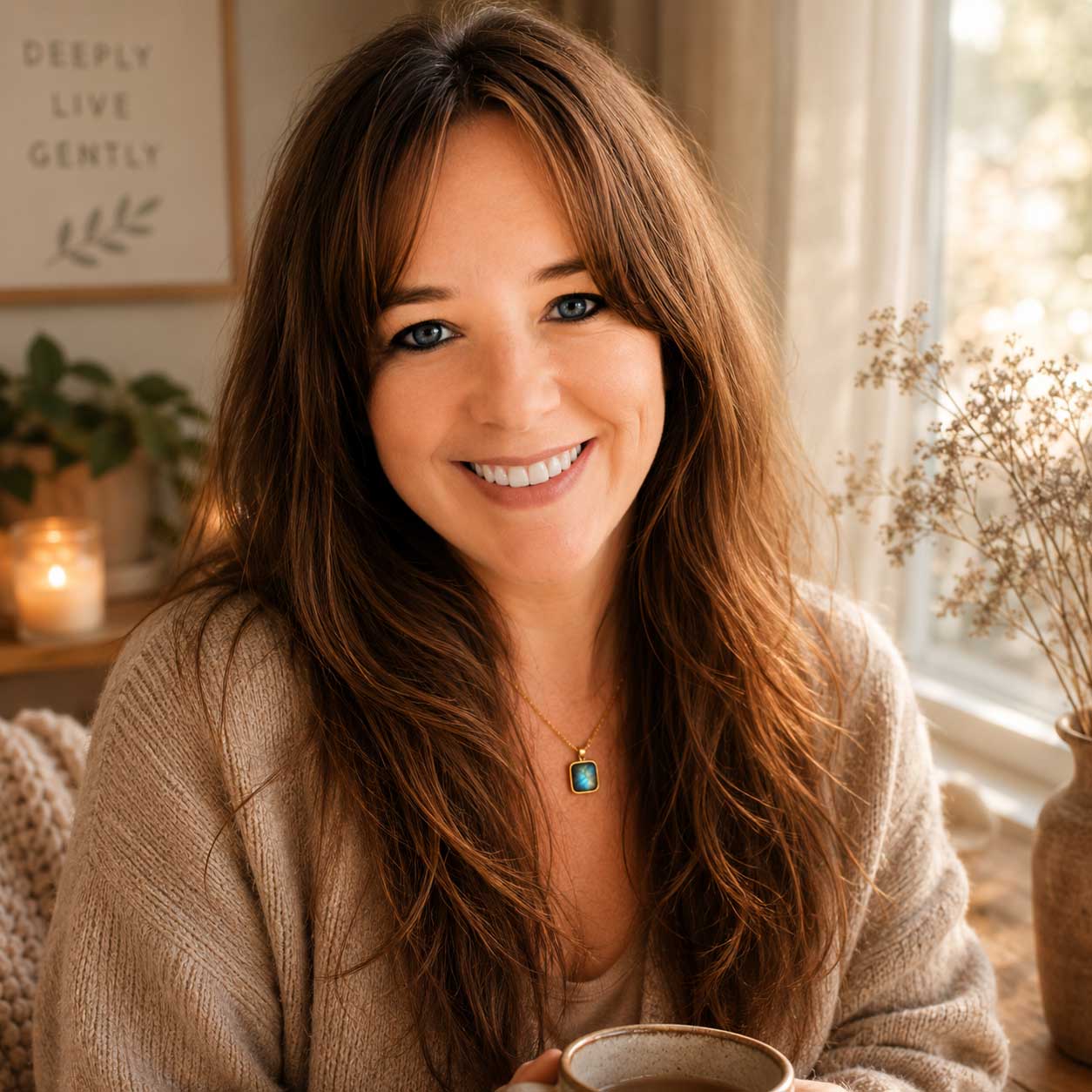
Where softness, self-awareness, and emotional healing are allowed to coexist. Through reflective writing, grounding rituals, and intentional beauty, Sparrow Trades offers gentle support for sensitive souls learning to reconnect with themselves.