
When life feels chaotic, few things restore balance like the gentle touch of water. Whether it’s the rhythmic pulse of waves, the trickle of a stream, or the still reflection of a lake, water carries an ancient power to calm the mind and reconnect us to the present. Grounding with water—also called “water earthing”—is a practice that helps us release stress, absorb calm energy, and remember our connection to the earth itself.
In today’s overstimulated world, we often live in our heads—worrying, replaying, planning. Our nervous systems rarely get a chance to rest. what is grounding teaches us that grounding brings our awareness back into the body, helping us find stability in the moment. Water, in particular, invites softness into that process. It reconnects our senses with nature’s steady rhythms. This is more than a mindfulness exercise; it’s a return to balance through the body.
Think of moments when you’ve dipped your feet into a cold lake after a long hike, let warm shower water run over tense shoulders, or listened to rain on a window. Those moments weren’t random comfort—they were acts of grounding. Each drop, ripple, and current has an electrical and energetic charge that interacts with your own. As your skin touches water, your energy field stabilizes. Science echoes this ancient knowing: contact with natural elements, especially water, helps regulate the parasympathetic nervous system, lowering cortisol and restoring mental clarity.
The power of self-awareness in emotional healing reminds us that awareness begins with sensation. Grounding with water embodies that principle—it’s awareness through touch, sound, and flow. When we pause to feel it, we rediscover inner steadiness. You don’t need an ocean view to do this practice; even a sink, a shower, or a rain puddle can become sacred space. The key is intention—letting yourself feel the connection rather than rush through it.
1. Understanding Grounding with Water
At its core, grounding with water is about releasing energy that doesn’t belong to you and absorbing what nourishes you instead. It’s a dialogue between your body and the natural world—a gentle exchange of presence.
Water acts as a conductor for energy, both physical and emotional. When you immerse yourself in it, or even let it touch your skin, you create a bridge between the earth’s stabilizing energy and your internal state. This process helps release emotional static accumulated from stress, conflict, or overstimulation.
- Immersive grounding: swimming in the ocean, wading in a river, or soaking in a natural hot spring.
- Symbolic grounding: touching water intentionally—washing hands slowly, letting rain fall on your face, or holding a cup of cool water with mindfulness.
In each case, the sensory focus—the temperature, the sound, the movement—draws you into the now. Over time, these moments build a felt sense of safety and belonging that supports emotional healing.
For those new to this idea, mindfulness for beginners offers a helpful foundation in how to focus attention and observe sensations without judgment. This mindset deepens the experience of grounding by water or any other natural element.
This practice also helps rewire the relationship between your body and your emotions. When you learn to anchor in sensation instead of spiraling in thought, emotional regulation becomes more natural. In trauma recovery work, this is called “somatic grounding.” With water, it feels organic—soft yet powerful, immediate yet infinite.
2. Practical Ways to Ground with Water
Grounding doesn’t require elaborate rituals—just awareness. Below are simple yet powerful ways to begin:
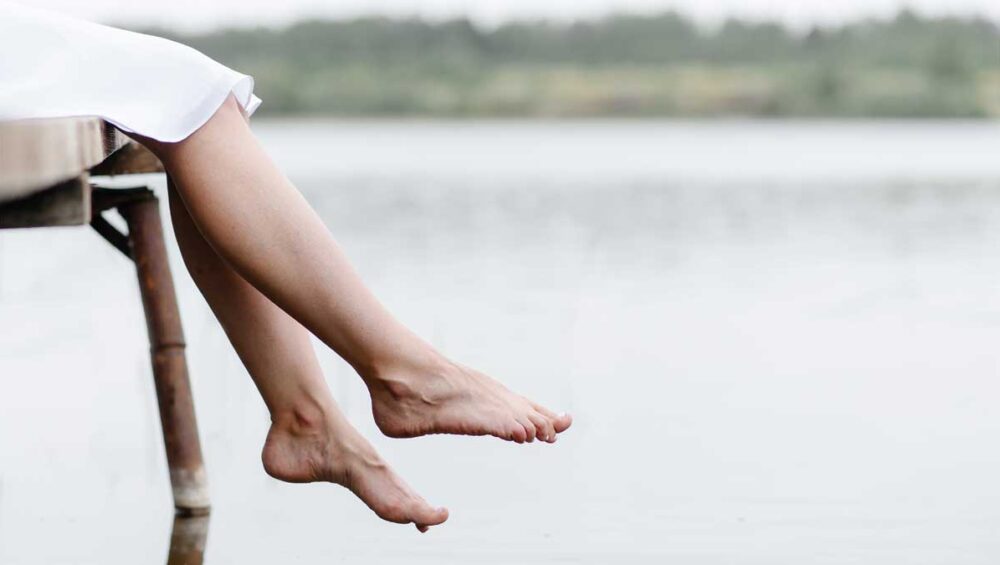
- Barefoot by water: Sit near a lake, stream, or even a backyard fountain. Rest your feet in the water and focus on the cool texture and subtle current. Feel your breath sync with the ripples.
- Mindful showering: Instead of rushing, slow down. Notice how each droplet lands, how it travels down your skin. Visualize tension washing away, replaced by calm energy.
- Hand immersion: Dip your hands into a bowl of water infused with salt or herbs. Swirl your fingers slowly and imagine cleansing away emotional heaviness.
- Rain connection: Stand outside during gentle rain. Lift your palms, feel each droplet, and let it awaken gratitude.
- Water journaling: After your practice, jot down sensations or emotions that surfaced. This anchors the experience and tracks your progress toward balance.
If you’re short on time, 5-minute grounding rituals can help you quickly reconnect with your body and reduce stress. For those in urban settings, an urban grounding guide shows how to bring nature’s energy into daily city life.
Grounding with water becomes most transformative when done regularly—like meditation, its effects deepen with consistency. You’ll notice subtle changes first: calmer mornings, slower reactions, softer self-talk. With time, this becomes a state of being—fluid, resilient, and clear.
3. The Emotional and Spiritual Benefits
Water mirrors what we often forget: to flow, not force. It teaches emotional intelligence through its own nature—how to move around obstacles without losing form.
- Anxiety softens. The sensory focus brings you out of mental loops and into embodied peace.
- Emotional blockages ease. Water’s flow symbolizes release; many people report tears, laughter, or deep sighs as energy moves.
- Self-compassion strengthens. When you consciously care for your nervous system, you begin to trust your body again.
- Spiritual clarity increases. Water connects all living things; immersing in it often awakens a quiet sense of belonging to something larger.
To support this emotional release, you can combine grounding with affirmations. Explore grounding affirmations prompts for words that help you center energy and release what no longer serves you.
If your emotions feel overwhelming, consider reading mindfulness for anxiety to complement your grounding practice with calming breathwork and sensory focus. And for deeper integration, learning to trust your emotions again explores how to rebuild that inner dialogue of self-trust—something grounding directly supports.
For trauma-sensitive readers, the grounding safety guide offers important reminders about pacing and creating emotional boundaries when practicing grounding rituals.
For those healing from emotional invalidation or gaslighting, water grounding is a gentle way to rebuild trust in your perceptions. The sensations are undeniable—what you feel is real. In this way, grounding becomes both emotional medicine and spiritual remembering, echoing lessons from how to set emotional boundaries without feeling guilty.
Frequently Asked Questions About Grounding with Water
Before diving into your own practice, you may wonder how, where, and when to begin. These common questions can help guide you toward a meaningful and safe experience.
What is the best time of day to practice grounding with water?
Early morning or evening works best—times when the environment feels calm and your mind is quieter. However, any moment of stress or disconnection is an invitation. A slow, mindful hand rinse can be grounding even in the middle of a busy workday.
Can I practice grounding with water indoors?
Absolutely. A shower, bath, or even a bowl of water can serve as your connection point. Intention is what transforms routine into ritual. As you let water run over your hands or body, breathe deeply and visualize emotional heaviness flowing away. This works beautifully alongside mindfulness or somatic grounding techniques.
How often should I ground with water?
Start with 5–10 minutes daily or as often as you feel unbalanced. Like meditation, the consistency matters more than duration. Over time, it becomes second nature—your nervous system will begin to seek it naturally when overwhelmed.
What if I don’t live near natural water sources?
No problem. You can use any form of clean water—indoor faucets, a portable basin, or even misting your hands with a spray bottle. If you crave outdoor energy, try pairing the practice with recordings of rain or ocean waves. When ready, expand into complementary practices like grounding with earth or grounding with air and breath.
Is grounding with water scientifically supported?
Emerging research in eco-therapy and somatic psychology shows that natural element exposure, especially water, reduces anxiety and cortisol levels. While the spiritual dimension isn’t measurable, the physical effects—muscle relaxation, lowered heart rate, and mood stabilization—are well documented.
Can water grounding help with emotional trauma or burnout?
Yes, though it’s not a replacement for therapy. It supports healing by calming the nervous system and reconnecting you to your body’s wisdom. Many trauma-informed therapists integrate grounding practices—including water-based ones—into recovery work because of their sensory safety and accessibility.
Conclusion: Returning to Flow
Grounding with water is more than a technique—it’s an invitation to remember who you are beneath the noise. The world will always demand motion, but water teaches stillness in movement. Each ripple reminds us that peace isn’t found in control; it’s found in connection.
So the next time you wash your hands, walk through rain, or rest beside a lake, pause. Feel the water. Let it speak. You don’t have to search for balance—it’s already within you, waiting to rise like a tide returning home.

Where softness, self-awareness, and emotional healing are allowed to coexist. Through reflective writing, grounding rituals, and intentional beauty, Sparrow Trades offers gentle support for sensitive souls learning to reconnect with themselves.