Jewelry is more than just something we wear—it’s something we say. Whether intentional or unconscious, our jewelry choices are statements about who we are, what we feel, and how we want to be seen.
From dainty heirloom rings to bold statement necklaces, the pieces we choose can reflect our mood, our culture, our beliefs, and even our rebellion. In this article, we’ll explore how jewelry functions as a language of self-expression—and why what you wear speaks volumes.
The Silent Language of Adornment
Clothing covers the body, but jewelry reveals the soul.
We often use jewelry to say the things we don’t have words for. That string of pearls you wear to feel grounded. The stud earrings you never take off because they remind you of your roots. The stacking rings that shift with your mood. Jewelry is full of silent signals—both to ourselves and others.
Sometimes, it’s armor. Sometimes, it’s a love letter.
The Psychology of Jewelry: What We Wear, Why It Matters
Our jewelry choices aren’t random. In fact, psychologists and sociologists have long studied how adornment plays a role in identity formation and self-concept.
Minimalist jewelry often signals balance, control, or quiet sophistication.
Loud, eclectic pieces may suggest creative expression, confidence, or a desire to be seen.
Symbolic items like hearts, evil eyes, and initials are deeply personal and often protective or meaningful.
Vintage or heirloom pieces tell stories of connection and history.
Gemstone jewelry sometimes reflects emotional alignment—rose quartz for love, amazonite for calm, citrine for confidence.
Jewelry can also shift depending on our inner world: feeling bold? You reach for hoops. Feeling introverted? You may go for a pendant close to your chest. What we wear isn’t just about aesthetics—it’s about emotion and energy.
Cultural Identity Through Jewelry
Across the globe, jewelry is a key marker of cultural identity and belonging.
In India, the mangalsutra necklace symbolizes marriage and lifelong unity.
In the Middle East, amulets like the evil eye or hamsa ward off bad energy.
In West African traditions, beadwork reflects tribe, status, and spiritual purpose.
In the West, heirloom lockets and promise rings symbolize lineage, memory, and commitment.
Even in multicultural or diasporic communities, people use jewelry to reconnect with ancestry, carry heritage, or mix traditional motifs with modern interpretations.
Jewelry as a Mood Board
One of the most exciting things about jewelry is that it allows us to curate our own emotional aesthetic. It’s fashion—but also reflection.
Your jewelry box is a mood board:
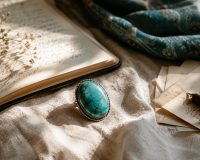
That chunky turquoise ring? You were feeling bold.
Those mismatched earrings? You wanted to be playful.
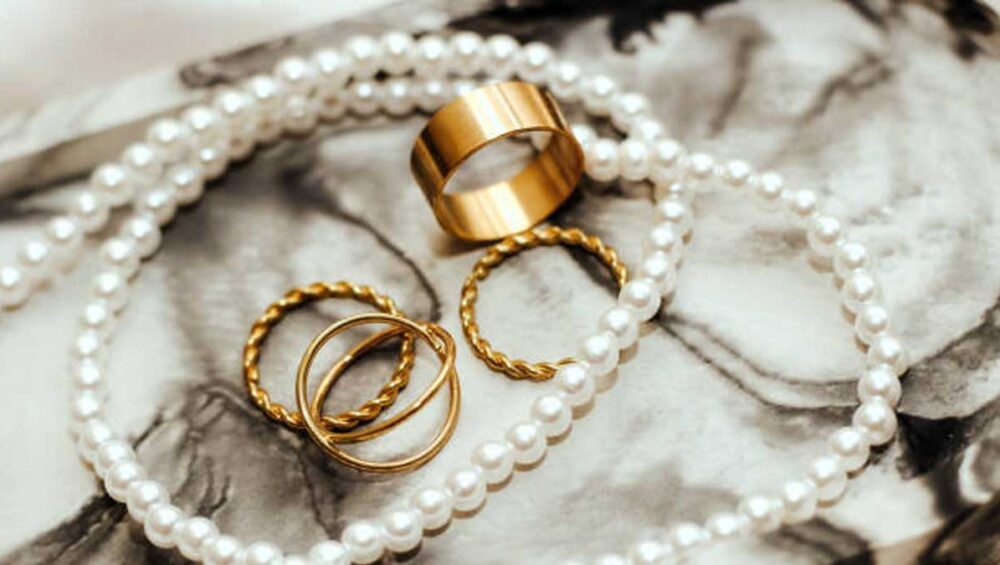
The stack of slim gold bands? You needed grounding.
A necklace layered with charms? You wanted to be seen and protected.
Jewelry is flexible—it moves with us, changes with us, and even grows with us.
Style Archetypes and Their Sparkle
While we’re all complex individuals, certain jewelry styles tend to align with common personality and self-expression archetypes:
| Style Type | Jewelry Choices | Expresses |
|---|---|---|
| The Minimalist | Thin chains, studs, simple cuffs | Clarity, elegance, restraint |
| The Romantic | Hearts, florals, rose gold, pearls | Sentimentality, love, nostalgia |
| The Free Spirit | Layered necklaces, mixed metals, charms | Creativity, wanderlust, uniqueness |
| The Power Player | Statement earrings, chunky rings | Strength, visibility, confidence |
| The Grounded One | Earth tones, crystals, nature motifs | Balance, connection, calmness |
You don’t have to fit neatly into one category—most people are a blend. But understanding your go-to style can help you shop (and dress) with more self-awareness.
Jewelry in Times of Change
During life transitions, jewelry often takes on new meaning:
Breakups or divorces may lead to retiring old pieces—and buying new ones to reclaim identity.
New jobs or life milestones often inspire celebratory jewelry purchases.
Spiritual awakenings or healing journeys can call for meaningful gemstones or talismans.
In these moments, jewelry becomes both a symbol and a tool—helping us move through chapters, mark beginnings, and anchor our growth.
Final Reflections: Jewelry as Identity in Motion
We are constantly evolving, and our jewelry evolves with us.
Whether it’s a handmade ring crafted during a season of healing or a bold choker worn to reclaim space, every piece tells part of your story. And in that sense, jewelry isn’t just decoration. It’s dialogue.
It’s how we speak without saying a word.
At Sparrow Trades, we celebrate the many ways jewelry lets you be seen, held, and heard. Whether you’re seeking connection, meaning, or just a little sparkle—your story belongs here.

Where softness, self-awareness, and emotional healing are allowed to coexist. Through reflective writing, grounding rituals, and intentional beauty, Sparrow Trades offers gentle support for sensitive souls learning to reconnect with themselves.
Jewelry Discovery: Explore Our Handpicked Insights
- The Perfect Equation: Finding the Right Number of Earrings for Every Woman
- The Timeless Connection: How Jewelry Preserves Precious Memories
- Fearful vs Dismissive Avoidant: A Deeper Dive into Disconnection, Longing, and Healing
- Everything You Need to Know About Gold Jewelry: Unveiling Its Brilliance and Timeless Beauty
- Allergen-Free Shimmer: Exploring Hypoallergenic Jewelry Materials for Sensitivity-Free Style
- Unlocking the Elegance: Exploring the Different Types of Signet Rings
- All You Need to Know About Band Rings: Stylish Accessories That Add Sparkle to Your Look
- The Art of Earring Placement: Find the Perfect Spot for Your Fashion Style