

There’s a kind of love that wraps its arms around you so tightly, you forget where you end and someone else begins. For many, that love is called family. And while connection can be beautiful, there’s a fine line between closeness and emotional entrapment. That line is where enmeshment lives—quietly weaving dependency into your decisions, your identity, and your very sense of self.
At first glance, it may look like loyalty. Like support. Like devotion. But when those bonds come at the cost of your autonomy, your voice, your right to say no without guilt—what you’re experiencing isn’t love. It’s emotional over-involvement disguised as family unity.
The Unseen Entanglement: Defining Enmeshment
Enmeshment is a psychological pattern where boundaries are so blurred that individual identities dissolve into the family unit. Coined by family therapist Salvador Minuchin, the term refers to relationships—especially within families—where people are emotionally fused, lacking clear, healthy boundaries.
In an enmeshed dynamic, a parent might live vicariously through a child. A sibling’s sadness might become yours to fix. Your needs? Secondary. Your goals? Negotiable. Your identity? Interchangeable with the emotional climate of the household.
You become so used to scanning the moods of those around you that your own emotional needs feel indulgent or even dangerous. And the saddest part? This might have always felt normal.
How Enmeshment Happens (And Why It Feels Like Love)
No family sets out to entangle its members. Often, enmeshment begins with fear—fear of loss, of failure, of abandonment. Parents who experienced trauma may overprotect their children. Single mothers might unconsciously lean on a son to meet emotional needs their partner once fulfilled. Children, hungry for love and approval, adapt. They shrink themselves to keep the peace, to be good, to be what’s needed.
Over time, this becomes a script: love equals sacrifice. Intimacy means erasing yourself for others. To step outside the script is to risk guilt, silence, or even rejection.
And yet—there is a part of you that aches for freedom.
Signs You Grew Up Enmeshed (Even If You Didn't Know It)
Enmeshment often hides in plain sight. It doesn’t always scream dysfunction; it whispers in behaviors that feel oddly hard to explain:
You struggle to make decisions without a parent’s input—even as an adult.
Setting boundaries feels like betrayal.
Your sense of self is tied to how others feel.
You experience guilt when prioritizing your own needs.
You often suppress your emotions to maintain harmony.
Romantic relationships feel suffocating or leave you craving emotional intensity.
These aren’t character flaws. They’re coping mechanisms. Learned behaviors from growing up in a system where the cost of independence was emotional distance or disapproval.
The Emotional Toll: What Enmeshment Steals From You
Enmeshment robs you of the permission to be whole.
It strips away clarity. When your emotions are tied to someone else’s, how do you know what you feel? When your goals are shaped by others’ expectations, how do you know what you want?
Left unexamined, enmeshment can result in:
Chronic anxiety and people-pleasing
Difficulty sustaining healthy relationships
Emotional burnout
Lack of self-trust
Low self-esteem or identity confusion
You may fear that if you grow, leave, or even speak up—you’ll lose the very connection you’ve always relied on. The pain is real. But so is the cost of staying small.
Boundaries: The Language of Love That Doesn’t Hurt
Many people fear boundaries because they think boundaries mean disconnection. But boundaries are not walls. They are bridges built from mutual respect.
A boundary says: “This is where I end and you begin.”
It honors individuality without rejecting love. It says, “I love you, but I also love me.”
Healing from enmeshment doesn’t mean severing ties. It means reshaping them. Making room for mutual authenticity. Saying no when needed. And learning—sometimes for the first time—that your worth is not measured by your availability to others.
How to Begin Untangling
Healing enmeshment is a process, not a moment. And while the work is deeply personal, it often starts with one courageous act: noticing.
Noticing the moment you say yes when you mean no.
Noticing the silence after expressing a need.
Noticing the guilt that flares up when you put yourself first.
From there, the real work begins:
Therapy (especially family systems or inner child work) can help untangle your narrative.
Journaling can reconnect you with your thoughts and feelings.
Practicing boundaries—small ones at first—can rebuild your internal compass.
Connecting with others outside your family system can introduce you to new, healthier dynamics.
And most of all: Self-compassion. Because this is tender work. Deep work. The kind of work that breaks cycles and plants new seeds.
The Hope on the Other Side
To heal from enmeshment is to come home to yourself.
It means no longer needing someone else’s approval to feel worthy. It means finding peace in your own voice. It means becoming the kind of parent, partner, or friend who loves with boundaries—not in spite of them.
Yes, the ties that bind can feel unbreakable. But so is your right to be your own person.
And that kind of freedom?
That’s a birthright—not a betrayal.
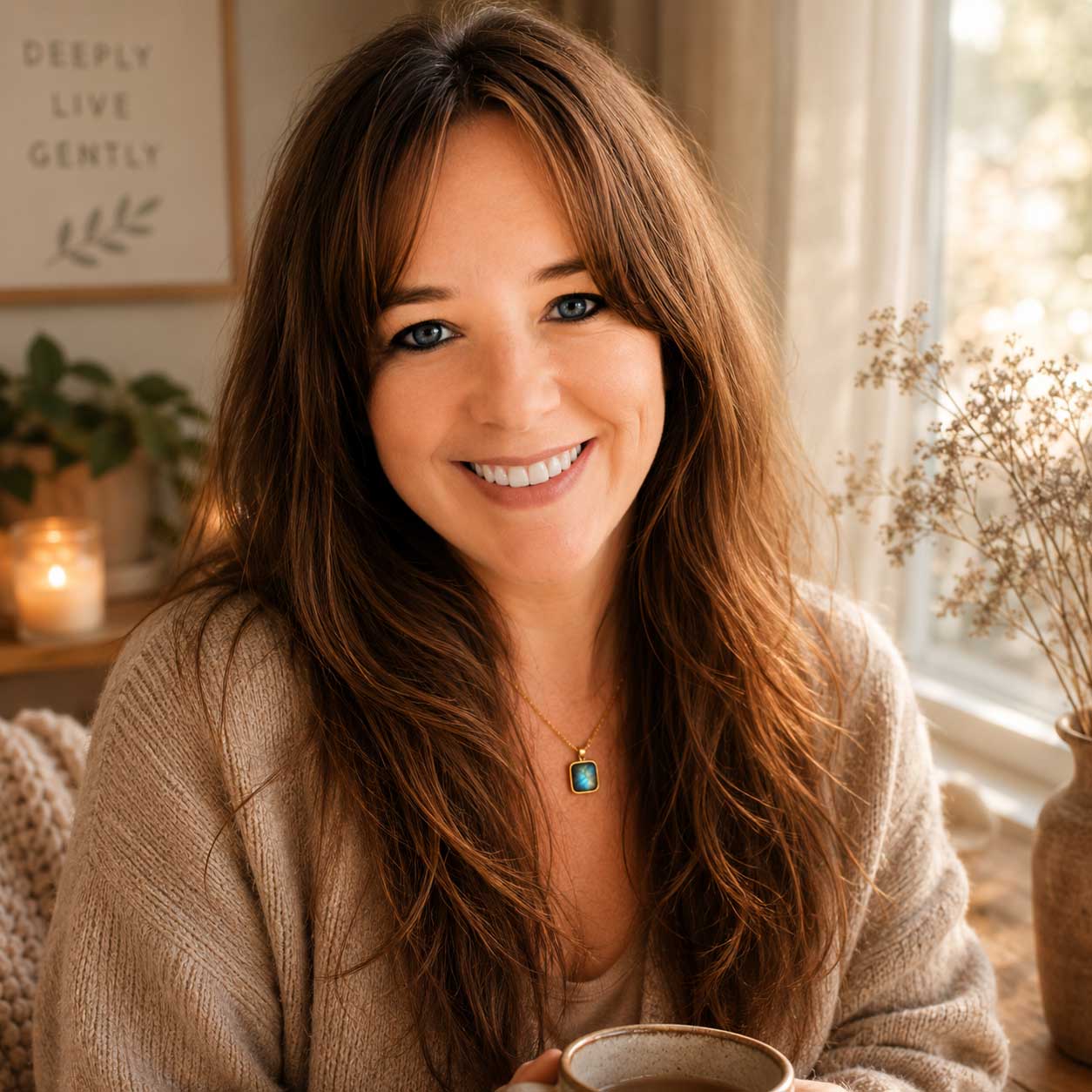
Where softness, self-awareness, and emotional healing are allowed to coexist. Through reflective writing, grounding rituals, and intentional beauty, Sparrow Trades offers gentle support for sensitive souls learning to reconnect with themselves.